
HSK 2 Reading Comprehension Exercises

These are 12 HSK 2 Chinese reading passages, each followed by multiple-choice comprehension questions you can check right on the page. Read with pinyin off, answer, then check: each answer shows the line of the passage it comes from. An answer key and a printable PDF worksheet (Simplified or Traditional) are at the bottom.

  • 12passages
  • 36questions
  • 78–173characters each
  • 2printable PDFs
HSK 2 reading comprehension at a glance
  • 12 passages of 78–173 characters, for learners who know roughly the first 500 HSK words.
  • 36 multiple-choice questions in Chinese, checked instantly, with the supporting line and its English translation.
  • Pinyin, English translations and Traditional characters are one tap away, and every word in a passage can be tapped for its meaning.
  • Free printable worksheets: Simplified PDFTraditional PDF, with a word list per passage and an answer key.

How to use these HSK 2 reading comprehension exercises

HSK 2 passages are 78–173 characters: short news-style pieces (pandas, astronauts, elephants), survival scenes at a pharmacy or hotel, and little stories with a plot. Expect times, prices, numbers and reasons with 因为, which is exactly what the questions ask about.

  1. Read once with pinyin and translation off. Get the gist; don't stop at every unknown word.
  2. Answer the questions without looking anything up, then press Check answers.
  3. Look at the line that proves each answer, especially the ones you missed.
  4. Reread with pinyin on and tap the words that tripped you up. A second pass is where characters stick.

12 HSK 2 reading passages with questions

Tap a word in a passage for its meaning

1 The Phone on the Bench (Part 1)

HSK 2 · 78 characters · The Lost Phone

星期天xīng qī tiān,小丁Xiǎo Dīng在zài公园gōng yuán跑步pǎo bù。On Sunday, Xiao Ding was jogging in the park.他tā在zài长椅cháng yǐ上shàng看到kàn dào一个yī ge手机shǒu jī。He spotted a phone on a bench.“这zhè是shì谁shéi的de手机shǒu jī?”"Whose phone is this?"他tā等děng了le十shí分钟fēn zhōng,没有méi yǒu人rén来lái找zhǎo。He waited ten minutes, but no one came looking.

小丁Xiǎo Dīng想xiǎng:“这个zhè ge手机shǒu jī是shì什么时候shén me shí hou丢diū的de?”Xiao Ding wondered, "When was this phone lost?"手机shǒu jī看起来kàn qǐ lai是shì新的xīn de。The phone looked brand new.

“主人zhǔ rén一定yī dìng很hěn着急zháo jí。”"The owner must be so worried."小丁Xiǎo Dīng决定jué dìng给gěi手机shǒu jī找到zhǎo dào主人zhǔ rén。Xiao Ding decided to find the phone's owner.

Questions

  1. 星期天xīng qī tiān,小丁xiǎo dīng在zài公园gōng yuán做zuò什么shén me?

  2. 小丁xiǎo dīng觉得jué de手机shǒu jī的de主人zhǔ rén怎么样zěn me yàng?

  3. 最后zuì hòu小丁xiǎo dīng决定jué dìng做zuò什么shén me?

2 A Student's Morning (Part 1)

HSK 2 · 87 characters · Day in the Life of a Student

小林xiǎo lín是shì一yī名míng高中生gāo zhōng shēng。Xiao Lin is a high school student.他tā早上zǎo shang六点liù diǎn半bàn起床qǐ chuáng。He gets up at six thirty in the morning.闹钟nào zhōng响xiǎng了le三次sān cì,他tā才cái慢慢màn màn起床qǐ chuáng。The alarm rings three times before he slowly gets up.

他tā先xiān洗脸xǐ liǎn、刷牙shuā yá,再zài吃chī早餐zǎo cān。He washes his face, brushes his teeth, and then eats breakfast.今天jīn tiān妈妈mā ma准备zhǔn bèi了le鸡蛋jī dàn、牛奶niú nǎi和hé面包miàn bāo。Today his mom prepared eggs, milk, and bread.

吃完chī wán后hòu,他tā背上bēi shàng书包shū bāo出门chū mén。After eating, he puts on his backpack and goes out.学校xué xiào离lí家jiā不远bù yuǎn,他tā走路zǒu lù十五shí wǔ分钟fēn zhōng就jiù到dào。The school isn't far, only a fifteen-minute walk.在zài路上lù shang,他tā边biān走zǒu边biān听tīng音乐yīn yuè。On the way, he walks while listening to music.

Questions

  1. 闹钟nào zhōng响xiǎng了le几次jǐ cì,小林xiǎo lín才cái慢慢màn màn起床qǐ chuáng?

  2. 今天jīn tiān小林xiǎo lín的de早餐zǎo cān有yǒu什么shén me?

  3. 小林xiǎo lín在zài去qù学校xué xiào的de路上lù shang做zuò什么shén me?

3 At the Pharmacy (Part 1)

HSK 2 · 94 characters · Feeling Sick

李明lǐ míng有点yǒu diǎn感冒gǎn mào,头疼tóu téng,还hái咳嗽ké sou。Li Ming had a bit of a cold: a headache and a cough.他tā走进zǒu jìn一yī家jiā药店yào diàn。He walked into a pharmacy.

“你好nǐ hǎo,我wǒ感冒gǎn mào了le,有yǒu什么shén me药yào?”"Hello, I've caught a cold. What medicine do you have?"

店员diàn yuán问wèn:“发烧fā shāo吗ma?”The clerk asked, "Any fever?"

“不bù发烧fā shāo,就是jiù shì头疼tóu téng、咳嗽ké sou。”"No fever. Just the headache and cough."

店员diàn yuán拿ná了le一yī盒hé药yào:“这个zhè ge一天yī tiān三次sān cì,一次yī cì两liǎng片piàn。”The clerk took out a box: "This one, three times a day, two tablets each time."

“饭fàn前qián吃chī还是hái shi饭fàn后hòu吃chī?”"Before meals or after?"

“饭fàn后hòu吃chī。多duō喝hē水shuǐ,多duō休息xiū xi。”"After meals. Drink plenty of water and get some rest."

李明lǐ míng付fù了le钱qián,说shuō:“谢谢xiè xie!”Li Ming paid and said, "Thanks!"两liǎng天tiān后hòu,他tā觉得jué de好hǎo多duō了le。Two days later, he felt much better.

Questions

  1. 李明lǐ míng为什么wèi shén me走进zǒu jìn药店yào diàn?

  2. 店员diàn yuán说shuō这个zhè ge药yào要yào怎么zěn me吃chī?

  3. 两liǎng天tiān后hòu,李明lǐ míng怎么样zěn me yàng了le?

4 The Astronauts Come Home

HSK 2 · 99 characters · Science and Technology

三个sān gè宇航员yǔ háng yuán回家huí jiā了le。Three astronauts came home.他们tā men在zài太空tài kōng住zhù了le八bā个gè月yuè。They lived in space for eight months.他们tā men住zhù在zài空间站kōng jiān zhàn里lǐ。They lived in a space station.

空间站kōng jiān zhàn在zài天上tiān shàng,很hěn高gāo很hěn高gāo。The space station is up in the sky, very, very high.在zài那里nà li,人rén会huì飞fēi起来qǐ lai。Up there, people float in the air.他们tā men每天měi tiān工作gōng zuò,也yě看kàn地球dì qiú。Every day they worked, and they also looked at the Earth.从cóng天上tiān shàng看kàn,地球dì qiú很hěn漂亮piào liang,是shì蓝色lán sè的de。Seen from the sky, the Earth is beautiful. It is blue.

七月qī yuè二十èr shí七qī号hào,他们tā men坐zuò飞船fēi chuán回了huí le家jiā。On July 27, they took a spacecraft home.他们tā men的de家人jiā rén都dōu很高兴hěn gāo xìng。Their families were all very happy.你nǐ想xiǎng不想bù xiǎng去qù太空tài kōng看看kàn kan?Would you like to go to space and have a look?

Questions

  1. 宇航员yǔ háng yuán们men在zài太空tài kōng住zhù了le多duō长时间cháng shí jiān?

  2. 从cóng天上tiān shàng看kàn,地球dì qiú是shì什么shén me颜色yán sè的de?

  3. 他们tā men怎么zěn me回家huí jiā?

5 Checking into a Hotel (Part 1)

HSK 2 · 99 characters · At the Hotel

晚上wǎn shang八bā点diǎn,王Wáng小姐xiǎo jie到dào了le酒店jiǔ diàn。At eight in the evening, Ms. Wang arrived at the hotel.她tā对duì前台qián tái说shuō:“你好nǐ hǎo,我wǒ订dìng了le房间fáng jiān。”She said to the front desk, "Hello, I have a reservation."

“好的hǎo de,请qǐng给gěi我wǒ看kàn一下yī xià您的nín de护照hù zhào。”"Of course. May I see your passport?"王Wáng小姐xiǎo jie把bǎ护照hù zhào递给dì gěi她tā。Ms. Wang handed over her passport.

“您的nín de房间fáng jiān是shì八bā楼lóu的de八bā零líng六liù,这zhè是shì房卡fáng kǎ。”"Your room is 806 on the eighth floor. Here's your room card."

“早餐zǎo cān在zài二èr楼lóu,七点qī diǎn开始kāi shǐ。”"Breakfast is on the second floor, starting at seven."

王Wáng小姐xiǎo jie问wèn:“几点jǐ diǎn退房tuì fáng?”Ms. Wang asked, "What time is checkout?"

“中午zhōng wǔ十二shí èr点diǎn以前yǐ qián。”"Before twelve noon."

“好的hǎo de,谢谢xiè xie!”"Got it, thank you!"她tā拿ná着zhe行李xíng li,坐电梯zuò diàn tī上shàng了le八bā楼lóu。She took her luggage and rode the elevator up to the eighth floor.

Questions

  1. 王wáng小姐xiǎo jie是shì什么时候shén me shí hou到dào酒店jiǔ diàn的de?

  2. 王wáng小姐xiǎo jie的de房间fáng jiān在zài几jǐ楼lóu?

  3. 王wáng小姐xiǎo jie要yào在zài什么时候shén me shí hou以前yǐ qián退房tuì fáng?

6 A New Home for the Pandas

HSK 2 · 102 characters · Global Contexts

北京běi jīng动物园dòng wù yuán有yǒu十shí只zhī大熊猫dà xióng māo。Beijing Zoo has ten giant pandas.七月qī yuè,熊猫xióng māo们men有yǒu了le一个yī ge新xīn家jiā。In July, the pandas got a new home.新xīn家jiā很大hěn dà很大hěn dà。The new home is very, very big.里面lǐ miàn有yǒu四sì个gè大厅dà tīng,外面wài miàn有yǒu很多hěn duō玩wán的de地方dì fāng。Inside there are four big halls, and outside there are many places to play.

夏天xià tiān很hěn热rè,可是kě shì新xīn家jiā里面lǐ miàn很hěn凉快liáng kuai。Summer is very hot, but it is cool inside the new home.现在xiàn zài,五wǔ只zhī熊猫xióng māo住zhù在zài新xīn家里jiā lǐ。Now, five of the pandas live in the new home.它们tā men每天měi tiān吃chī竹子zhú zi、睡觉shuì jiào、玩wán。Every day they eat bamboo, sleep, and play.

很多人hěn duō rén来lái看kàn它们tā men。Many people come to see them.孩子们hái zi men最喜欢zuì xǐ huān看kàn熊猫xióng māo玩wán。Children like watching the pandas play the most.你nǐ也yě想xiǎng去qù看看kàn kan吗ma?Do you want to go see them too?

Questions

  1. 北京běi jīng动物园dòng wù yuán有yǒu几jǐ只zhī大熊猫dà xióng māo?

  2. 熊猫xióng māo的de新xīn家jiā怎么样zěn me yàng?

  3. 熊猫xióng māo每天měi tiān做zuò什么shén me?

7 An Engineer's Morning (Part 1)

HSK 2 · 111 characters · Day in the Life of an Engineer

林Lín工程师gōng chéng shī早上zǎo shang七点qī diǎn半bàn起床qǐ chuáng。Engineer Lin wakes up at seven thirty in the morning.他tā在zài上海shàng hǎi工作gōng zuò,家jiā离lí公司gōng sī不太bù tài远yuǎn。He works in Taipei, and his home isn't far from the company.

起床qǐ chuáng后hòu,他tā先xiān洗脸xǐ liǎn、刷牙shuā yá,然后rán hòu泡pào一yī杯bēi咖啡kā fēi。After getting up, he washes his face, brushes his teeth, and makes a cup of coffee.他tā喜欢xǐ huan边biān喝hē咖啡kā fēi边biān看kàn新闻xīn wén。He likes to drink coffee while reading the news.早餐zǎo cān很hěn简单jiǎn dān,有yǒu面包miàn bāo、鸡蛋jī dàn和hé水果shuǐ guǒ。His breakfast is simple: bread, eggs, and fruit.

八bā点diǎn,他tā换huàn上shàng蓝色lán sè的de工作服gōng zuò fú,拿起ná qǐ电脑diàn nǎo包bāo出门chū mén。At eight, he puts on his blue work clothes and takes his laptop bag to go out.地铁站dì tiě zhàn的de人rén很多hěn duō,但dàn他tā已经yǐ jīng习惯xí guàn了le。There are many people at the subway station, but he's used to it.他tā一边yī biān听tīng音乐yīn yuè,一边yī biān想着xiǎng zhe今天jīn tiān的de工作gōng zuò。He listens to music while thinking about today's tasks.

Questions

  1. 林Lín工程师gōng chéng shī早上zǎo shang几点jǐ diǎn起床qǐ chuáng?

  2. 他的tā de早餐zǎo cān有yǒu什么shén me?

  3. 地铁站dì tiě zhàn的de人rén很多hěn duō,他tā觉得jué de怎么样zěn me yàng?

8 Ordering at a Restaurant (Part 1)

HSK 2 · 115 characters · At the Restaurant

中午zhōng wǔ,李明lǐ míng和hé朋友péng you走进zǒu jìn一yī家jiā小xiǎo餐厅cān tīng。At noon, Li Ming and his friend walked into a small restaurant.服务员fú wù yuán说shuō:“欢迎光临huān yíng guāng lín!几jǐ位wèi?”The waiter said, "Welcome! How many?"

“两liǎng位wèi。”他们tā men坐下zuò xia,打开dǎ kāi菜单cài dān。"Two." They sat down and opened the menu.

李明lǐ míng问wèn:“你们nǐ men这里zhè lǐ什么shén me最zuì好吃hǎo chī?”Li Ming asked, "What's the best thing here?"

服务员fú wù yuán说shuō:“我们wǒ men的de牛肉面niú ròu miàn很hěn有名yǒu míng。”The waiter said, "Our beef noodles are famous."

“好hǎo,来lái两liǎng碗wǎn牛肉面niú ròu miàn,再zài来lái一个yī ge青菜qīng cài。”"Great. Two bowls of beef noodles, and a plate of greens."

“要yào喝hē什么shén me?”“两liǎng杯bēi热茶rè chá,谢谢xiè xie。”"Anything to drink?" "Two cups of hot tea, thanks."

菜cài很快hěn kuài就jiù来了lái le,热rè热rè的de,很hěn香xiāng。The food came quickly, hot and fragrant.吃完chī wán饭fàn,李明lǐ míng说shuō:“服务员fú wù yuán,买单mǎi dān!”After the meal, Li Ming said, "Waiter, the bill, please!"

“一共yī gòng八十bā shí块kuài。欢迎huān yíng下次xià cì再zài来lái!”"Eighty yuan altogether. Come again soon!"

Questions

  1. 服务员fú wù yuán说shuō,他们tā men餐厅cān tīng什么shén me最zuì有名yǒu míng?

  2. 吃完chī wán饭fàn,李明lǐ míng说shuō“买单mǎi dān”,他tā想xiǎng做zuò什么shén me?

  3. 他们tā men这zhè顿dùn饭fàn一共yī gòng多少duō shǎo钱qián?

9 Good News for Elephants

HSK 2 · 130 characters · Global Contexts

在zài非洲fēi zhōu,有yǒu一个yī ge很大hěn dà很大hěn dà的de公园gōng yuán。In Africa, there is a very, very big park.这个zhè ge公园gōng yuán在zài五wǔ个gè国guó家里jiā lǐ。This park is in five countries.很多hěn duō大象dà xiàng住zhù在zài那里nà li。Many elephants live there.

科学家kē xué jiā想xiǎng知道zhī dào:那里nà li有yǒu多少duō shǎo大象dà xiàng?Scientists wanted to know: how many elephants are there?大象dà xiàng太多tài duō了le,怎么zěn me数shǔ呢ne?There are so many elephants. How do you count them?他们tā men坐zuò上shàng小xiǎo飞机fēi jī,从cóng天上tiān shàng数shǔ大象dà xiàng。They got in small planes and counted the elephants from the sky.数shǔ大象dà xiàng用了yòng le很hěn长时间cháng shí jiān。Counting the elephants took a long time.

现在xiàn zài他们tā men知道zhī dào了le:有yǒu二十èr shí二èr万wàn多duō头tóu大象dà xiàng!Now they know: there are more than 220,000 elephants!十shí年前nián qián,大象dà xiàng没有méi yǒu这么zhè me多duō。Ten years ago, there weren't this many elephants.现在xiàn zài,大象dà xiàng越来越yuè lái yuè多了duō le。Now, there are more and more elephants.

这是zhè shì很hěn好hǎo的de消息xiāo xi。This is very good news.科学家kē xué jiā说shuō:“我们wǒ men要yào继续jì xù帮助bāng zhù大象dà xiàng。”The scientists say: "We will keep helping the elephants."

Questions

  1. 科学家kē xué jiā怎么zěn me数shǔ大象dà xiàng?

  2. 现在xiàn zài那里nà li有yǒu多少duō shǎo大象dà xiàng?

  3. 现在xiàn zài大象dà xiàng越来越yuè lái yuè多duō,还是hái shi越来越少yuè lái yuè shǎo?

10 Xiao Bai's Night (Part 1)

HSK 2 · 138 characters · Xiao Bai's Story

小白Xiǎo Bái是shì一只yī zhī流浪liú làng猫māo,它tā走在zǒu zài安静的ān jìng de街上jiē shang。Xiao Bai was a stray cat, walking down a quiet street.它tā正在zhèng zài找zhǎo吃的chī de,因为yīn wèi今天jīn tiān还没hái méi吃chī东西dōng xi。He was looking for food, because he hadn't eaten anything all day.

路边lù biān有yǒu一个yī ge小xiǎo餐厅cān tīng,里面lǐ miàn的de人rén正在zhèng zài说话shuō huà。There was a small restaurant by the road, with people talking inside.小白Xiǎo Bái走zǒu过去guò qù,希望xī wàng能néng找到zhǎo dào一点yī diǎn吃的chī de。Xiao Bai walked over, hoping to find a little food.

餐厅cān tīng外wài有yǒu一个yī ge纸zhǐ盒hé,小白Xiǎo Bái跳tiào进去jìn qù休息xiū xi。Outside the restaurant was a cardboard box, and Xiao Bai jumped in to rest.天气tiān qì有点yǒu diǎn冷lěng,它tā把bǎ身体shēn tǐ缩suō得de小小的xiǎo xiǎo de。The weather was a little cold, so he curled up into a small ball.

没méi多久duō jiǔ,一个yī ge女孩nǚ hái走zǒu出来chū lái。Before long, a girl came out.她tā看见kàn jiàn小白Xiǎo Bái,轻轻qīng qīng地de说shuō:“你nǐ饿è了le吗ma?”She saw Xiao Bai and said softly, "Are you hungry?"女孩nǚ hái在zài纸zhǐ盒hé前qián放fàng了le一点yī diǎn饭fàn。The girl put a little food in front of the box.小白Xiǎo Bái慢慢màn màn走zǒu过去guò qù,心里xīn li变得biàn de暖nuǎn暖nuǎn的de。Xiao Bai slowly walked over, and his heart grew warm.

Questions

  1. 小白xiǎo bái为什么wèi shén me在zài街上jiē shang找zhǎo吃的chī de?

  2. 小白xiǎo bái在zài餐厅cān tīng外wài做了zuò le什么shén me?

  3. 小白xiǎo bái为什么wèi shén me心里xīn li暖暖nuǎn nuǎn的de?

11 The Robot Games

HSK 2 · 144 characters · Science and Technology

这个月zhè ge yuè,北京běi jīng有yǒu一个yī ge很hěn特别tè bié的de运动会yùn dòng huì。This month, Beijing has a very special sports meet.运动员yùn dòng yuán不是bù shì人rén,是shì机器人jī qì rén!The athletes are not people. They are robots!八月bā yuè二十èr shí二èr号hào,比赛bǐ sài开始kāi shǐ。On August 22, the games begin.

有yǒu两liǎng千qiān多duō个gè机器人jī qì rén来lái比赛bǐ sài。More than two thousand robots are coming to compete.它们tā men来自lái zì十六shí liù个gè国家guó jiā。They come from sixteen countries.机器人jī qì rén会huì跑步pǎo bù,会huì踢tī足球zú qiú,还hái会huì跳舞tiào wǔ。The robots can run, play soccer, and even dance.

今年jīn nián,跑步pǎo bù比赛bǐ sài里lǐ没有méi yǒu人rén帮bāng它们tā men。This year, no humans help them in the running race.机器人jī qì rén自己zì jǐ想xiǎng,自己zì jǐ跑pǎo。The robots think for themselves and run by themselves.有的yǒu de机器人jī qì rén跑pǎo得de很hěn快kuài,有的yǒu de会huì摔倒shuāi dǎo。Some robots run very fast; some fall down.

摔倒shuāi dǎo的de时候shí hou,大家dà jiā都dōu笑了xiào le。When they fall, everyone laughs.但是dàn shì机器人jī qì rén会huì再zài站起来zhàn qǐ lai,跑pǎo完wán比赛bǐ sài。But the robots stand up again and finish the race.看kàn比赛bǐ sài的de人rén说shuō:机器人jī qì rén越来越yuè lái yuè聪明cōng ming了le。People watching say: robots are getting smarter and smarter.

Questions

  1. 这个zhè ge运动会yùn dòng huì的de运动员yùn dòng yuán是shì谁shéi?

  2. 有yǒu多少duō shǎo个gè机器人jī qì rén来lái比赛bǐ sài?

  3. 机器人jī qì rén摔倒了shuāi dǎo le以后yǐ hòu,会huì做zuò什么shén me?

12 Benny and the Boomerang

HSK 2 · 173 characters · Classic Fables

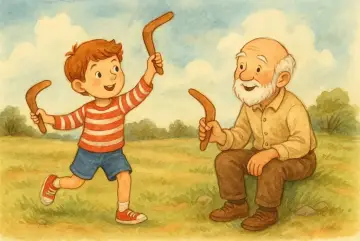
本尼běn ní在zài爷爷yé ye的de棚子péng zi里lǐ找到zhǎo dào一个yī ge回力镖huí lì biāo。Benny found a boomerang in Grandpa’s shed.它tā是shì棕色zōng sè的de,弯弯wān wān的de。It was brown and curved.“这zhè是shì什么shén me?”本尼běn ní问wèn。“What is it?” Benny asked.

“这是zhè shì回力镖huí lì biāo。”爷爷yé ye说shuō。“It’s a boomerang,” Grandpa said.

“你nǐ把bǎ它tā扔出去rēng chū qù,它tā会huì回来huí lai。”“Throw it, and it comes back.”

本尼běn ní跑pǎo到dào外面wài miàn,用力yòng lì把bǎ回力镖huí lì biāo扔rēng出去chū qù。Benny ran outside and threw the boomerang as hard as he could.可是kě shì回力镖huí lì biāo没有méi yǒu回来huí lai,它tā掉diào在zài了le草地cǎo dì上shàng。But the boomerang didn't come back. It fell onto the grass.本尼běn ní又yòu试shì了le一次yī cì,回力镖huí lì biāo还是hái shi掉diào在zài了le地上dì shang。Benny tried again, but the boomerang fell to the ground again.

“它tā不bù回来huí lai!”本尼běn ní很hěn生气shēng qì。“It won't come back!” Benny was angry.

爷爷yé ye笑xiào着zhe说shuō:“别bié着急zháo jí,慢慢来màn màn lái。”Grandpa smiled and said, “Don't worry. Take your time.”“每天měi tiān练习liàn xí一点yī diǎn,你nǐ就jiù会huì学会xué huì。”“Practice a little every day, and you will learn.”

本尼běn ní每天měi tiān都dōu在zài草地cǎo dì上shàng练习liàn xí。Benny practiced on the grass every day.有一天yǒu yī tiān,回力镖huí lì biāo飞fēi了le一yī个gè大dà圈quān,又yòu飞fēi回来huí lai了le!One day, the boomerang flew in a big circle and came back!本尼běn ní接住jiē zhù了le它tā,高兴gāo xìng地de笑xiào了le。Benny caught it and smiled happily.

“爷爷yé ye,我wǒ学会xué huì了le!”“Grandpa, I learned how!”

Questions

  1. 本尼běn ní在哪里zài nǎ lǐ找到zhǎo dào回力镖huí lì biāo?

  2. 回力镖huí lì biāo是shì什么shén me样子yàng zi的de?

  3. 爷爷yé ye说shuō,把bǎ回力镖huí lì biāo扔出去rēng chū qù以后yǐ hòu,它tā会huì怎么样zěn me yàng?

HSK 2 reading comprehension answer key

The correct letter for every question, in passage order. On the page, Check answers also shows the line of the passage each answer comes from.

PassageQ1Q2Q3
1. The Phone on the Bench (Part 1)BAC
2. A Student's Morning (Part 1)CAB
3. At the Pharmacy (Part 1)ABC
4. The Astronauts Come HomeCAB
5. Checking into a Hotel (Part 1)ABC
6. A New Home for the PandasBCA
7. An Engineer's Morning (Part 1)BCA
8. Ordering at a Restaurant (Part 1)BAC
9. Good News for ElephantsACA
10. Xiao Bai's Night (Part 1)ABC
11. The Robot GamesABB
12. Benny and the BoomerangABC

Printable HSK 2 reading comprehension worksheets (PDF)

The same 12 passages and 36 questions as a free, letter-size PDF, ready for class or homework. Each passage is printed without pinyin, followed by a short word list (the hardest words, with pinyin and English) and the questions. The answer key, with the supporting line for every answer, is on the last pages.

Simplified PDFTraditional PDF

The Traditional worksheet uses Taiwan word choices and 「」 quotation marks, the way the app shows these stories in Taiwan Mandarin, and adds zhuyin to the word lists.

Frequently asked questions

Are these the same as the HSK 2 exam reading section?

No. These are graded stories whose vocabulary we estimate at HSK 2 on the HSK 3.0 word lists, not past exam papers. They train the same skill the reading section tests: understanding a short text well enough to pick the right answer.

Should I read with pinyin on or off?

Off first. Comprehension practice only works if you try the characters on their own. Turn pinyin on for a word you are stuck on, or for a second pass once you have answered the questions.

Can I print these HSK 2 reading worksheets for a class?

Yes. Each level has a free printable PDF in Simplified and Traditional characters, with a word list under every passage and the answer key on the last pages. You are welcome to print and copy them for personal and classroom use.

Where can I find more HSK 2 reading practice?

The HSK 2 stories page lists every free story at this level with pinyin and translations. When these feel easy, move on to HSK 3 reading comprehension.

Keep reading at this level

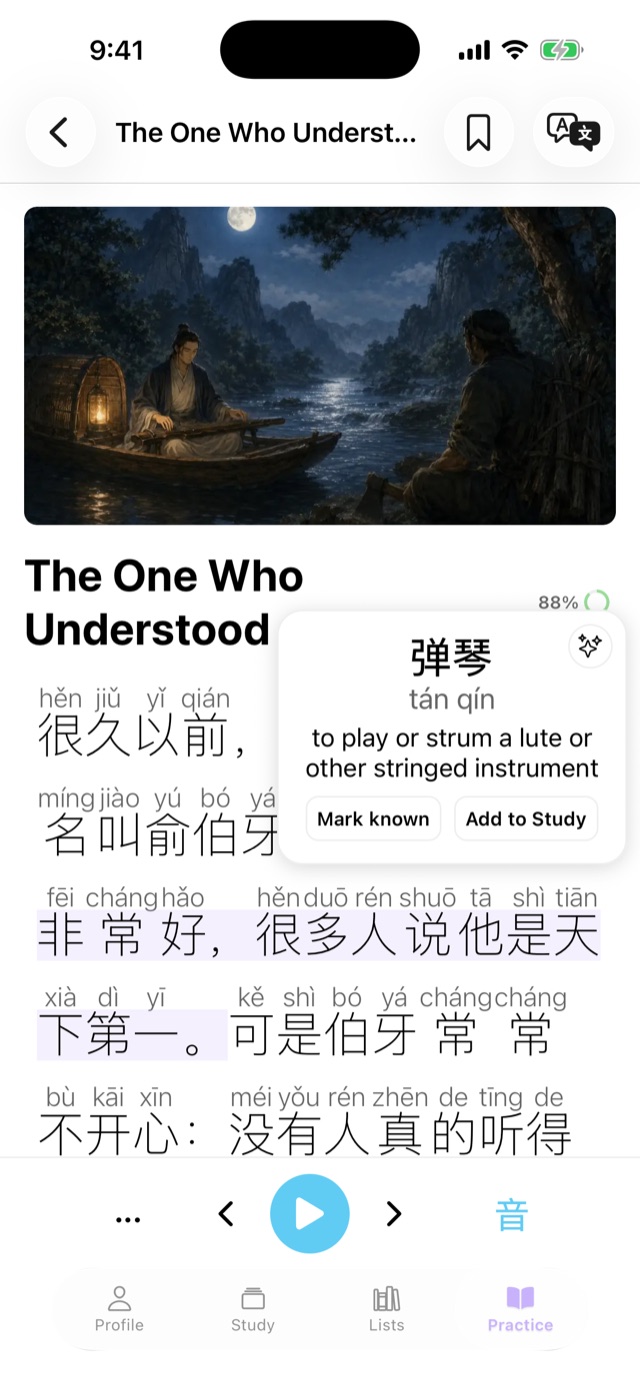
These passages come from Literate Chinese, a free reading app for iOS and Android with 1,000+ graded stories. Every story in the app has the same kind of quiz, plus native audio in Mainland or Taiwan Mandarin.

Tap any word to see its meaning and save it as a flashcard; spaced repetition brings it back before you forget it. Simplified or Traditional, pinyin or zhuyin.

Download on the App Store Get it on Google Play
The Literate Chinese app reading a story with pinyin and tap-to-define

Also useful: All free HSK 2 stories · Not sure of your level? Take the 2-minute character test · All reading comprehension levels · For teachers

Try reading your first story

The fastest way to make characters stick is to meet them in a story you can actually finish. Literate Chinese has 1,000+ graded stories matched to the words you know — in Mainland or Taiwan Mandarin, Simplified or Traditional. Free on iOS and Android.

Download on the App Store Get it on Google Play

Prefer the browser? Read a free story on the web →