Intermediate Chinese Reading Comprehension

These are 12 intermediate Chinese reading passages, each followed by multiple-choice comprehension questions you can check right on the page. Read with pinyin off, answer, then check: each answer shows the line of the passage it comes from. An answer key and a printable PDF worksheet (Simplified or Traditional) are at the bottom.

  • 12passages
  • 36questions
  • 226–464characters each
  • 2printable PDFs
Intermediate reading comprehension at a glance
  • 12 passages of 226–464 characters, for HSK 3–4 learners ready for longer texts.
  • 36 multiple-choice questions in Chinese, checked instantly, with the supporting line and its English translation.
  • Pinyin, English translations and Traditional characters are one tap away, and every word in a passage can be tapped for its meaning.
  • Free printable worksheets: Simplified PDFTraditional PDF, with a word list per passage and an answer key.

How to use these intermediate reading comprehension exercises

Intermediate passages are 226–464 characters, the length of a real article: lives of Confucius, Li Bai and Zheng He, short book summaries, and Seneca on friendship. The vocabulary is HSK 3–4, but the texts are longer and connected, so the challenge is holding the whole thread.

  1. Read once with pinyin and translation off. Get the gist; don't stop at every unknown word.
  2. Answer the questions without looking anything up, then press Check answers.
  3. Look at the line that proves each answer, especially the ones you missed.
  4. Reread with pinyin on and tap the words that tripped you up. A second pass is where characters stick.

12 intermediate reading passages with questions

Tap a word in a passage for its meaning

1 Playing the Qin to a Cow

HSK 3 · 226 characters · Chinese Idioms

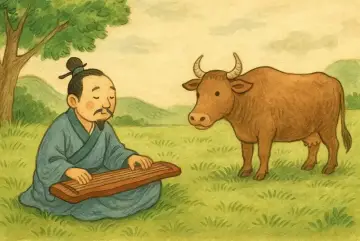
很久以前hěn jiǔ yǐ qián,有yǒu一个yī ge人rén会huì弹琴tán qín。A long time ago, there was a man who could play the qin (a traditional Chinese instrument).他tā觉得jué de自己zì jǐ的de琴声qín shēng很好听hěn hǎo tīng。He thought his music sounded very beautiful.有一天yǒu yī tiān,他tā看见kàn jiàn一头牛yī tóu niú在zài吃草chī cǎo。One day, he saw a cow eating grass.他tā想xiǎng:“我wǒ给gěi牛niú弹琴tán qín吧ba,让ràng它tā听一听tīng yī tīng!”He thought, “I will play the qin for the cow, so it can listen!”于是yú shì他tā坐在zuò zài牛niú的de面前miàn qián,开始kāi shǐ弹琴tán qín。So he sat in front of the cow and began to play.琴声qín shēng轻轻地qīng qīng de、慢慢地màn màn de流出来liú chū lái。The music came out softly and slowly.可是kě shì,那头牛nà tóu niú还是hái shi低头dī tóu吃草chī cǎo,好像hǎo xiàng什么shén me也yě没有méi yǒu听到tīng dào。But the cow kept its head down eating grass, as if it heard nothing.不管bù guǎn那个nà ge人rén怎么zěn me弹琴tán qín,牛niú都dōu没有méi yǒu反应fǎn yìng。No matter how the man played, the cow showed no reaction.

后来hòu lái,人们rén men笑xiào他tā,说shuō:“你nǐ真zhēn傻shǎ,对牛弹琴duì niú tán qín,牛niú怎么zěn me会huì懂dǒng呢ne?”Later, people laughed at him and said: “You are so silly. Playing music to a cow? How could it understand?”这个zhè ge故事gù shì告诉gào sù我们wǒ men:有时候yǒu shí hou,我们wǒ men说shuō得de再zài好hǎo,如果rú guǒ听tīng的de人rén不懂bù dǒng,也是yě shì没用méi yòng的de。This story tells us: sometimes, no matter how well we speak, if the listener does not understand, it is useless.所以suǒ yǐ“对牛弹琴duì niú tán qín”这个zhè ge成语chéng yǔ,现在xiàn zài用来yòng lái形容xíng róng对duì不懂bù dǒng道理dào li的de人rén讲jiǎng深奥shēn ào的de话huà。So the idiom “duì niú tán qín” is now used to describe speaking profound things to people who cannot understand.

比如bǐ rú:小王xiǎo wáng喜欢xǐ huan讲jiǎng很难hěn nán的de数学shù xué问题wèn tí,可是kě shì他tā跟gēn小李xiǎo lǐ说shuō这些zhè xiē,小李xiǎo lǐ根本gēn běn听不懂tīng bù dǒng。For example: Xiao Wang likes to talk about very hard math problems, but when he tells Xiao Li, Xiao Li cannot understand at all.别人bié ren就jiù会huì说shuō:“你nǐ别bié再zài对牛弹琴duì niú tán qín了le。”Other people might say: “Stop playing the qin to a cow.”

Questions

  1. 那个nà ge人rén给gěi牛niú弹琴tán qín的de时候shí hou,牛niú做了zuò le什么shén me?

  2. “对牛弹琴duì niú tán qín”是shì什么shén me意思yì si?

  3. 小王xiǎo wáng跟gēn小李xiǎo lǐ讲jiǎng很难hěn nán的de数学shù xué问题wèn tí,为什么wèi shén me别人bié ren说shuō他tā“对牛弹琴duì niú tán qín”?

2 Three Days Fishing, Two Days Drying Nets

HSK 3 · 295 characters · Chinese Idioms

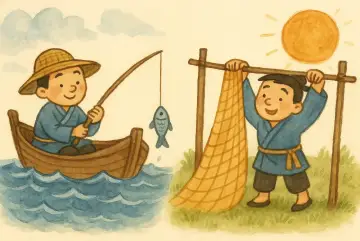
从前cóng qián,有yǒu一个yī ge年轻nián qīng的de渔夫yú fū。A long time ago, there was a young fisherman.他tā对duì自己zì jǐ说shuō,要yào每天měi tiān出去chū qù打鱼dǎ yú。He told himself that he would go out to fish every day.第一天dì yī tiān,他tā早早zǎo zǎo出海chū hǎi,满怀信心mǎn huái xìn xīn。On the first day, he went out early with great confidence.第二天dì èr tiān,他tā继续jì xù努力nǔ lì,虽然suī rán有点yǒu diǎn累lèi。On the second day, he kept working, even though he was a bit tired.第三天dì sān tiān,风浪fēng làng有些yǒu xiē大dà,但dàn他tā还是hái shi出海chū hǎi了le。On the third day, the waves were rough, but he still went to sea.到dào了le第四天dì sì tiān,他tā觉得jué de太tài累lèi了le,就jiù在zài岸上àn shàng晒网shài wǎng。By the fourth day, he felt too tired and stayed on the shore to dry his nets.第五天dì wǔ tiān,他tā说shuō今天jīn tiān也yě晒晒网shài shài wǎng,明天míng tiān再zài去qù。On the fifth day, he said he would dry the nets again and go tomorrow.这样zhè yàng过了guò le很多hěn duō天tiān,他tā常常cháng cháng三天打鱼sān tiān dǎ yú,两天晒网liǎng tiān shài wǎng。Days went by like this, with him often fishing for three days and drying the nets for two.他的tā de鱼yú越来越少yuè lái yuè shǎo,家里jiā lǐ也yě不够bù gòu吃chī。He caught fewer and fewer fish, and his family did not have enough to eat.邻居lín jū摇头yáo tóu说shuō:“你nǐ这样zhè yàng做zuò,怎么zěn me能néng有yǒu好hǎo收获shōu huò呢ne?”The neighbors shook their heads and said, "How can you get a good harvest doing it this way?"后来hòu lái,他tā明白míng bai了le,不bù坚持jiān chí就jiù没有méi yǒu成果chéng guǒ。Later, he realized that without persistence there is no result.他tā开始kāi shǐ按àn计划jì huà每天měi tiān工作gōng zuò,慢慢地màn màn de,鱼yú又yòu多duō了le起来qǐ lai。He started to follow a plan and work every day, and slowly the fish increased again.

这个zhè ge故事gù shì告诉gào sù我们wǒ men,“三天打鱼两天晒网sān tiān dǎ yú liǎng tiān shài wǎng”说的是shuō de shì做事zuò shì不bù坚持jiān chí,时做时停shí zuò shí tíng。This story tells us: "three days fishing, two days drying nets" means not being persistent, stopping and starting.在现代zài xiàn dài,这个zhè ge成语chéng yǔ用来yòng lái形容xíng róng学习xué xí、运动yùn dòng、工作gōng zuò等děng方面fāng miàn的de三分钟热度sān fēn zhōng rè dù。In modern use, the idiom describes short-lived enthusiasm in things like study, exercise, or work.

如果rú guǒ一个yī ge人rén今天jīn tiān很hěn努力nǔ lì,明天míng tiān就jiù偷懒tōu lǎn,进步jìn bù就jiù会huì很hěn慢màn。If someone works hard today but slacks off tomorrow, progress will be very slow.比如bǐ rú,小李xiǎo lǐ学xué英语Yīng yǔ时shí,三天sān tiān背bèi单词dān cí,两天liǎng tiān不bù碰pèng书shū,朋友péng you就jiù会huì说shuō:“你nǐ别bié再zài‘三天打鱼两天晒网sān tiān dǎ yú liǎng tiān shài wǎng’了le,按àn计划jì huà每天měi tiān学xué一点yī diǎn更gèng好hǎo。”For example, when Xiao Li studies English, he memorizes words for three days, then avoids books for two, and his friends might say: "Stop doing 'three days fishing and two days drying nets'; it is better to study a little every day with a plan."

Questions

  1. 渔夫yú fū家里jiā lǐ的de鱼yú为什么wèi shén me越来越少yuè lái yuè shǎo?

  2. 渔夫yú fū后来hòu lái明白míng bai了le什么shén me?

  3. 小李xiǎo lǐ三天sān tiān学xué单词dān cí,两天liǎng tiān不bù碰pèng书shū,这zhè叫jiào什么shén me?

3 Li Bai: The Sword and the Wine Cup (Part 1)

HSK 3 · 346 characters · Li Bai

七qī零líng一yī年nián,李白lǐ bái出生chū shēng了le,那nà正是zhèng shì唐朝táng cháo最好zuì hǎo的de时代shí dài。In 701, Li Bai was born, right at the height of the Tang dynasty's golden age.他tā小时候xiǎo shí hou跟gēn家人jiā rén住zhù在zài四川sì chuān,从小cóng xiǎo就jiù很hěn聪明cōng ming,看kàn过guo的de书shū很快hěn kuài就能jiù néng记住jì zhu。As a child he lived with his family in Sichuan; he was clever from an early age, and could quickly remember any book he read.

可是kě shì传说chuán shuō,小时候xiǎo shí hou的de李白lǐ bái很hěn爱ài玩wán,不bù爱ài读书dú shū。But legend says that as a boy, Li Bai loved to play and hated to study.有一天yǒu yī tiān,他tā逃学táo xué出去chū qù玩wán,在zài小河xiǎo hé边biān看见kàn jiàn一位yī wèi老奶奶lǎo nǎi nai。One day he skipped school to go out and play, and by a small river he saw an old woman.

老奶奶lǎo nǎi nai拿ná着zhe一根yī gēn很hěn粗cū的de铁棒tiě bàng,在zài石头shí tou上shàng磨mó啊a磨mó。The old woman was holding a thick iron rod, grinding it and grinding it against a stone.李白lǐ bái觉得jué de很hěn奇怪qí guài,问wèn:“奶奶nǎi nai,您nín在zài做zuò什么shén me?”Li Bai thought this was very strange and asked: "Grandma, what are you doing?"

老奶奶lǎo nǎi nai说shuō:“我要wǒ yào把bǎ这zhè根gēn铁棒tiě bàng磨mó成chéng一根yī gēn针zhēn。只要zhǐ yào天天tiān tiān磨mó,铁棒tiě bàng也yě能néng磨mó成chéng针zhēn。”The old woman said: "I'm going to grind this iron rod into a needle. As long as you grind it every day, even an iron rod can become a needle."李白lǐ bái听了tīng le,脸liǎn一下子yī xià zi红hóng了le,从cóng那天nà tiān起qǐ,他tā认真rèn zhēn读书dú shū,再也zài yě不bù逃学táo xué了le。When Li Bai heard this, his face turned red. From that day on he studied hard and never skipped school again.

长大zhǎng dà后hòu的de李白lǐ bái,不但bù dàn诗shī写xiě得de好hǎo,还hái会huì用yòng剑jiàn,喜欢xǐ huan喝酒hē jiǔ交朋友jiāo péng you。The grown-up Li Bai not only wrote wonderful poems; he could also use a sword, and he loved drinking wine and making friends.那时候nà shí hou,读书人dú shū rén都dōu去qù长安cháng ān考试kǎo shì,希望xī wàng以后yǐ hòu能néng当dāng官guān。In those days, scholars all went to Chang'an to take the exams, hoping to become officials.

李白lǐ bái却què没有méi yǒu去qù考试kǎo shì,传说chuán shuō他tā说shuō:“我的wǒ de路lù,我wǒ自己zì jǐ走zǒu。”But Li Bai did not take the exams. Legend has it he said: "My road, I will walk it my own way."二十èr shí几jǐ岁suì时shí,他tā带着dài zhe一把yī bǎ剑jiàn离开lí kāi四川sì chuān,去qù看kàn外面的wài miàn de世界shì jiè。In his twenties, he left Sichuan carrying a sword, to go see the wider world.

他tā走过zǒu guò高山gāo shān大河dà hé,每měi到dào一个yī ge地方dì fāng,就jiù喝酒hē jiǔ、写xiě诗shī、交朋友jiāo péng you。He crossed high mountains and great rivers, and everywhere he went, he drank wine, wrote poems, and made friends.他的tā de诗shī越来越yuè lái yuè有名yǒu míng,人们rén men说shuō:“李白lǐ bái的de诗shī好像hǎo xiàng不是bù shì人rén写xiě的de,是shì从cóng天上tiān shàng来lái的de。”His poems grew more and more famous. People said: "Li Bai's poems don't seem written by a man. They come from heaven."

四十sì shí多duō岁suì那年nà nián,一个yī ge大dà消息xiāo xi传来chuán lái:皇帝huáng dì听说tīng shuō了le李白lǐ bái,请qǐng他tā去qù长安cháng ān!The year he was in his early forties, big news arrived: the emperor had heard of Li Bai and was inviting him to Chang'an!李白lǐ bái大笑dà xiào着zhe走出zǒu chū家门jiā mén,他tā想xiǎng:我的wǒ de机会jī huì终于zhōng yú来了lái le。Li Bai laughed out loud as he walked out his door, thinking: my moment has finally come.

Questions

  1. 传说chuán shuō,李白lǐ bái在zài小河xiǎo hé边biān看见kàn jiàn老奶奶lǎo nǎi nai在zài做zuò什么shén me?

  2. 传说chuán shuō,李白lǐ bái为什么wèi shén me不bù去qù长安cháng ān考试kǎo shì?

  3. 四十sì shí多duō岁suì那年nà nián,李白lǐ bái听到tīng dào了le什么shén me大dà消息xiāo xi?

4 Yue Fei: Four Characters on His Back (Part 1)

HSK 4 · 348 characters · Yue Fei

一yī一yī零líng三sān年nián,岳飞yuè fēi出生chū shēng在zài河南hé nán的de一个yī ge农民nóng mín家庭jiā tíng,家里jiā lǐ很hěn穷qióng。In 1103, Yue Fei was born into a farming family in Henan; his family was very poor.传说chuán shuō他tā出生chū shēng的de时候shí hou,一只yī zhī大dà鸟niǎo从cóng房子fáng zi上shàng飞过fēi guò,所以suǒ yǐ父亲fù qīn给gěi他tā起qǐ了le个gè名字míng zi,叫jiào“飞fēi”。People say that when he was born, a great bird flew over the house, so his father gave him the name "Fei," "to fly."

岳飞yuè fēi小时候xiǎo shí hou话huà不bù多duō,人rén很hěn严肃yán sù,可是kě shì力气lì qi特别tè bié大dà。As a boy, Yue Fei spoke little and was very serious, but he was remarkably strong.他tā跟着gēn zhe老师lǎo shī学xué射箭shè jiàn和hé武艺wǔ yì,每天měi tiān练习liàn xí,从来cóng lái不停bù tíng。He studied archery and martial arts with a teacher, practicing every day without stopping.

那时候nà shí hou,北方běi fāng的de女真nǚ zhēn人rén建立jiàn lì了le金朝jīn cháo,金朝jīn cháo的de军队jūn duì开始kāi shǐ进攻jìn gōng宋朝sòng cháo。In those days, the Jurchen people of the north founded the Jin dynasty, and the Jin armies began to attack the Song.一yī一yī二èr七qī年nián,敌人dí rén占领zhàn lǐng了le首都shǒu dū开封kāi fēng,还hái抓走zhuā zǒu了le两个liǎng gè皇帝huáng dì。In 1127, the enemy occupied the capital, Kaifeng, and even carried off two emperors.岳飞yuè fēi看着kàn zhe自己的zì jǐ de国家guó jiā,心里xīn li又yòu痛tòng又yòu急jí,决定jué dìng参军cān jūn。Watching what was happening to his country, Yue Fei was heartsick and anxious, and he decided to join the army.

传说chuán shuō,在zài他tā离开lí kāi家jiā以前yǐ qián,母亲mǔ qīn让ràng他tā跪下guì xia,在zài他的tā de背上bèi shàng刺cì了le四sì个gè字zì。It is said that before he left home, his mother had him kneel down and tattooed four characters on his back.刺字cì zì很hěn痛tòng,可是kě shì岳飞yuè fēi一yī动dòng也yě不动bù dòng。Tattooing hurts, but Yue Fei did not move at all.那nà四sì个gè字zì的de意思yì si是shì:用yòng全部quán bù的de忠心zhōng xīn报答bào dá国家guó jiā。The four characters meant: repay the country with all your loyalty.

母亲mǔ qīn对duì他tā说shuō:“孩子hái zi,不管bù guǎn走到zǒu dào哪里nǎ lǐ,你nǐ都dōu不能bù néng忘记wàng jì背上bèi shàng的de这zhè四sì个gè字zì。”His mother said to him: "Child, no matter where you go, you must never forget the four characters on your back."

在zài军队jūn duì里lǐ,岳飞yuè fēi打仗dǎ zhàng非常fēi cháng勇敢yǒng gǎn,总是zǒng shì在zài最zuì前面qián miàn。In the army, Yue Fei fought with great courage and was always at the very front.他tā从cóng一个yī ge普通pǔ tōng的de士兵shì bīng,一步yī bù一步yī bù做到zuò dào了le将军jiāng jūn。From an ordinary soldier, he rose step by step to become a general.他的tā de军队jūn duì纪律jì lǜ特别tè bié好hǎo:士兵shì bīng冻死dòng sǐ也yě不bù拆chāi老百姓lǎo bǎi xìng的de房子fáng zi,饿死è sǐ也yě不bù抢qiǎng老百姓lǎo bǎi xìng的de东西dōng xi。His army's discipline was extraordinary: his soldiers would freeze to death before tearing down a commoner's house, and starve to death before robbing the people.

老百姓lǎo bǎi xìng都dōu爱ài他的tā de军队jūn duì,敌人dí rén却què非常fēi cháng害怕hài pà。The common people all loved his army, but the enemy was terrified of it.

金朝jīn cháo的de士兵shì bīng常常cháng cháng说shuō:“摇动yáo dòng一座yī zuò山shān容易róng yì,打败dǎ bài岳飞yuè fēi的de军队jūn duì,难nán!”Jin soldiers often said: "Shaking a mountain is easy; defeating Yue Fei's army, that is hard!"

Questions

  1. 传说chuán shuō岳飞yuè fēi离开lí kāi家jiā以前yǐ qián,母亲mǔ qīn做了zuò le什么shén me?

  2. 老百姓lǎo bǎi xìng为什么wèi shén me都dōu爱ài岳飞yuè fēi的de军队jūn duì?

  3. 金朝jīn cháo的de士兵shì bīng觉得jué de岳飞yuè fēi的de军队jūn duì怎么样zěn me yàng?

5 Deep Work: The Rarest Skill (Part 1)

HSK 3 · 365 characters · Deep Work

有yǒu一本yī běn书shū叫jiào《深度shēn dù工作gōng zuò》,作者zuò zhě是shì一位yī wèi美国měi guó作家zuò jiā。There is a book called "Deep Work," written by an American author.这zhè本běn书shū说shuō,世界上shì jiè shàng有yǒu两liǎng种zhǒng工作gōng zuò。The book says there are two kinds of work in the world.第dì一种yī zhǒng是shì浅qiǎn的de工作gōng zuò:回huí消息xiāo xi、发fā邮件yóu jiàn、开会kāi huì。The first kind is shallow work: replying to messages, sending emails, sitting in meetings.这种zhè zhǒng工作gōng zuò很hěn容易róng yì,人人rén rén都dōu会huì做zuò。This kind of work is easy. Anyone can do it.

第二dì èr种zhǒng是shì深shēn的de工作gōng zuò:把bǎ全部quán bù注意力zhù yì lì放在fàng zài一件yī jiàn难nán事shì上shàng。The second kind is deep work: putting all your attention on one hard thing.这种zhè zhǒng工作gōng zuò很难hěn nán,也yě越来越yuè lái yuè少见shǎo jiàn。This kind of work is hard, and it is becoming rarer and rarer.为什么wèi shén me少见shǎo jiàn?因为yīn wèi手机shǒu jī总是zǒng shì在zài叫jiào我们wǒ men。Why is it rare? Because our phones are always calling us.作家zuò jiā说shuō:能néng专心zhuān xīn的de人rén,会huì赢得yíng dé未来wèi lái。The author says: the people who can still focus will win the future.我们wǒ men来lái看kàn两个liǎng gè设计师shè jì shī的de故事gù shì。Let's look at the story of two designers.

小马Xiǎo Mǎ和hé小林xiǎo lín在zài同一tóng yī家jiā公司gōng sī工作gōng zuò。Xiao Ma and Xiao Lin work at the same company.那个nà ge月yuè,他们tā men接到jiē dào了le同样tóng yàng的de任务rèn wu,时间shí jiān是shì两个liǎng gè星期xīng qī。That month they were given the same task, with two weeks to finish.小马Xiǎo Mǎ想xiǎng让ràng每个人měi ge rén都dōu觉得jué de他tā很快hěn kuài。Xiao Ma wanted everyone to think he was fast.

每měi一条yī tiáo消息xiāo xi,他tā都dōu马上mǎ shàng回huí。He answered every single message instantly.他的tā de一天yī tiān被bèi切成qiē chéng了le几jǐ十shí块kuài,每měi一块yī kuài都dōu很hěn小xiǎo。His day was cut into dozens of pieces, each one tiny.白天bái tiān没méi做完zuò wán的de事shì,只好zhǐ hǎo晚上wǎn shang做zuò。Whatever he didn't finish by day, he had to do at night.两个liǎng gè星期xīng qī以后yǐ hòu,他tā很hěn累lèi,做zuò出来chū lái的de东西dōng xi也yě很hěn一般yī bān。Two weeks later he was exhausted, and what he produced was mediocre.小林xiǎo lín的de做法zuò fǎ完全wán quán不同bù tóng。Xiao Lin's approach was completely different.

他tā跟gēn大家dà jiā说shuō:“这zhè三天sān tiān的de上午shàng wǔ,请qǐng不要bù yào找zhǎo我wǒ。”He told everyone, "For the next three mornings, please don't come looking for me."每天měi tiān早上zǎo shang,他tā关掉guān diào手机shǒu jī,一个人yī gè rén安安静静ān ān jìng jìng地de工作gōng zuò三个sān gè小时xiǎo shí。Every morning he turned off his phone and worked quietly alone for three hours.下午xià wǔ,他tā才cái回huí消息xiāo xi、开会kāi huì。Only in the afternoon did he answer messages and attend meetings.三个sān gè早上zǎo shang以后yǐ hòu,他的tā de设计shè jì做zuò完了wán le,又yòu新xīn又yòu好hǎo。After three mornings, his design was finished: fresh and excellent.老板lǎo bǎn看了kàn le两liǎng个gè人rén的de东西dōng xi,只zhǐ说shuō了le一句yī jù话huà:The boss looked at both of their work and said only one sentence:

“这zhè就是jiù shì专心zhuān xīn和hé不bù专心zhuān xīn的de差别chā bié。”"This is the difference between focus and no focus."会huì回huí消息xiāo xi的de人rén很多hěn duō,能néng专心zhuān xīn的de人rén很少hěn shǎo。Many people can answer messages; few people can focus.少见shǎo jiàn的de能力néng lì,才是cái shì最zuì值钱zhí qián的de能力néng lì。The rare skill is the one that is worth the most.

Questions

  1. 书shū里lǐ说shuō的de“深shēn的de工作gōng zuò”是shì什么shén me?

  2. 小林xiǎo lín是shì怎么zěn me工作gōng zuò的de?

  3. 作家zuò jiā觉得jué de什么样shén me yàng的de人rén会huì赢得yíng dé未来wèi lái?

6 Sun Yat-sen: The Boy Who Asked Questions (Part 1)

HSK 4 · 384 characters · Sun Yat-sen

一yī八bā六liù六liù年nián,孙中山sūn zhōng shān出生chū shēng在zài广东guǎng dōng的de一个yī ge小xiǎo村子cūn zi里lǐ。In 1866, Sun Yat-sen was born in a small village in Guangdong.他tā家jiā很hěn穷qióng,父亲fù qīn是shì农民nóng mín,他tā小时候xiǎo shí hou也yě要yào下xià田tián干活gàn huó。His family was poor. His father was a farmer, and as a child he had to work in the fields too.

村cūn里lǐ有yǒu一位yī wèi老人lǎo rén,年轻nián qīng时shí参加cān jiā过guo太平天国tài píng tiān guó的de军队jūn duì。In the village there was an old man who had served in the army of the Taiping Heavenly Kingdom when he was young.老人lǎo rén常常cháng cháng给gěi孩子们hái zi men讲jiǎng洪秀全hóng xiù quán的de故事gù shì:一个yī ge穷人qióng rén的de孩子hái zi,也yě敢gǎn起来qǐ lai反抗fǎn kàng皇帝huáng dì。The old man often told the children stories about Hong Xiuquan: a poor man's son who dared to rise up against the emperor.孙中山sūn zhōng shān听tīng得de入rù了le迷mí,心里xīn li想xiǎng:“为什么wèi shén me官员guān yuán可以kě yǐ欺负qī fu老百姓lǎo bǎi xìng,却què没有méi yǒu人rén管guǎn?”Sun Yat-sen listened, fascinated, and thought to himself: "Why can officials bully the common people, and nobody stops them?"

十三shí sān岁suì那年nà nián,他tā跟着gēn zhe母亲mǔ qīn坐zuò船chuán去了qù le檀香山tán xiāng shān,因为yīn wèi哥哥gē ge在zài那里nà li做生意zuò shēng yì。The year he turned thirteen, he sailed with his mother to Honolulu, because his older brother was doing business there.檀香山tán xiāng shān在zài夏威夷xià wēi yí,那里nà li的de一切yī qiè都dōu让ràng他tā吃惊chī jīng:干净gān jìng的de街道jiē dào、明亮míng liàng的de学校xué xiào,还有hái yǒu讲jiǎng道理dào li的de法律fǎ lǜ。Honolulu is in Hawaii, and everything there amazed him: clean streets, bright schools, and laws that made sense.他tā在zài西方Xī fāng学校xué xiào读书dú shū,很快hěn kuài学会xué huì了le英语Yīng yǔ,成绩chéng jì也yě很hěn好hǎo。He studied at a Western school, quickly learned English, and his grades were good too.他tā开始kāi shǐ问wèn自己zì jǐ:“为什么wèi shén me别的bié de国家guó jiā可以kě yǐ这样zhè yàng,我们wǒ men的de国家guó jiā却què不行bù xíng?”He began to ask himself: "Why can other countries be like this, but not ours?"

十七shí qī岁suì时shí,他tā回到huí dào了le家乡jiā xiāng,可是kě shì他tā已经yǐ jīng不是bù shì原来yuán lái的de那个nà ge孩子hái zi了le。At seventeen he returned to his hometown, but he was no longer the child he had been.他tā看到kàn dào村民cūn mín生病shēng bìng了le不bù去qù看kàn医生yī shēng,只zhǐ去qù庙miào里lǐ拜bài神shén,非常fēi cháng着急zháo jí。He saw that when villagers got sick they didn't see a doctor; they only went to the temple to pray to the gods. It troubled him deeply.

后来hòu lái,他tā去qù香港xiāng gǎng学医xué yī,学习xué xí非常fēi cháng努力nǔ lì。Later, he went to Hong Kong to study medicine, and he studied very hard.一yī八bā九jiǔ二èr年nián,他tā以yǐ全校quán xiào第一dì yī名míng的de成绩chéng jì毕业bì yè,成chéng了le一yī名míng医生yī shēng。In 1892 he graduated first in his whole school and became a doctor.他tā在zài澳门ào mén和hé广州guǎng zhōu给gěi人rén看病kàn bìng,遇到yù dào穷人qióng rén,常常cháng cháng不bù收shōu钱qián。He treated patients in Macau and Guangzhou, and when poor patients came, he often charged nothing.

病人bìng rén都dōu说shuō:“孙Sūn医生yī shēng的de医术yī shù好hǎo,心xīn更好gèng hǎo。”His patients all said: "Dr. Sun's medical skill is good, but his heart is even better."

可是kě shì,夜深人静yè shēn rén jìng的de时候shí hou,孙中山sūn zhōng shān常常cháng cháng睡不着shuì bù zháo。But in the still of the night, Sun Yat-sen often couldn't sleep.他tā想xiǎng:“我wǒ能néng医yī好hǎo一个yī ge人rén的de病bìng,可是kě shì谁shéi来lái医yī这个zhè ge生病shēng bìng的de国家guó jiā呢ne?”He thought: "I can cure one person's illness, but who will cure this sick country?"

Questions

  1. 村cūn里lǐ的de老人lǎo rén给gěi孩子们hái zi men讲jiǎng谁shéi的de故事gù shì?

  2. 在zài檀香山tán xiāng shān,什么shén me让ràng孙中山sūn zhōng shān吃惊chī jīng?

  3. 孙中山sūn zhōng shān当dāng医生yī shēng的de时候shí hou,为什么wèi shén me常常cháng cháng睡不着shuì bù zháo?

7 Zheng He: From Captive to Admiral (Part 1)

HSK 3 · 390 characters · Zheng He

六liù百bǎi多年duō nián前qián,郑和zhèng hé出生chū shēng在zài云南yún nán,那时nà shí他的tā de名字míng zi叫jiào马和mǎ hé。More than six hundred years ago, Zheng He was born in Yunnan. Back then his name was Ma He.他的tā de父亲fù qīn去qù过guo很远hěn yuǎn很远hěn yuǎn的de地方dì fāng,常常cháng cháng给gěi孩子们hái zi men讲jiǎng大海dà hǎi和hé远方yuǎn fāng的de故事gù shì。His father had traveled to places far, far away, and often told the children stories of the sea and distant lands.马和mǎ hé听得tīng de入rù了le迷mí,心里xīn li想xiǎng:“大海dà hǎi到底dào dǐ是shì什么shén me样子yàng zi的de?”Ma He listened, fascinated, and wondered: "What is the sea really like?"

可是kě shì,他tā十shí岁suì那年nà nián,战争zhàn zhēng来了lái le:明朝míng cháo的de军队jūn duì打dǎ到dào了le云南yún nán。But the year he turned ten, war came: the army of the Ming dynasty fought its way into Yunnan.马和mǎ hé被bèi军队jūn duì抓走zhuā zǒu了le,成chéng了le一yī名míng太监tài jiàn。Ma He was taken away by the army and made a eunuch.他tā失去shī qù了le家jiā,离开lí kāi了le父母fù mǔ,可是kě shì他tā没有méi yǒu失去shī qù勇气yǒng qì。He lost his home and was separated from his parents, but he did not lose his courage.

后来hòu lái,他tā被bèi送到sòng dào一位yī wèi王子wáng zǐ的de身边shēn biān做事zuò shì,这位zhè wèi王子wáng zǐ叫jiào朱棣zhū dì。Later, he was sent to serve at the side of a prince, a prince named Zhu Di.朱棣zhū dì很快hěn kuài就jiù发现fā xiàn,这个zhè ge年轻人nián qīng rén又yòu聪明cōng ming又yòu勇敢yǒng gǎn。Zhu Di soon discovered that this young man was both clever and brave.打仗dǎ zhàng的de时候shí hou,马和mǎ hé总是zǒng shì想xiǎng得de比bǐ别人bié ren快kuài,也yě比bǐ别人bié ren更gèng不怕bù pà危险wēi xiǎn。In battle, Ma He always thought faster than everyone else, and feared danger less.

朱棣zhū dì打dǎ了le几年jǐ nián仗zhàng,最后zuì hòu当上dāng shang了le皇帝huáng dì。Zhu Di fought for several years, and in the end he became emperor.皇帝huáng dì没有méi yǒu忘记wàng jì这个zhè ge勇敢yǒng gǎn的de年轻人nián qīng rén:他tā给gěi马和mǎ hé起qǐ了le一个yī ge新xīn名字míng zi,叫jiào郑和zhèng hé。The emperor did not forget this brave young man: he gave Ma He a new name, Zheng He.

一天yī tiān,皇帝huáng dì对duì郑和zhèng hé说shuō:“我要wǒ yào建jiàn一支yī zhī世界上shì jiè shàng最zuì大dà的de船队chuán duì,我要wǒ yào你nǐ带着dài zhe它tā,去qù看看kàn kan大海dà hǎi的de那nà一边yī biān。”One day, the emperor said to Zheng He: "I am going to build the greatest fleet in the world, and I want you to take it and see what lies beyond the sea."

一yī四sì零líng五wǔ年nián,郑和zhèng hé的de舰队jiàn duì出发chū fā了le:两liǎng百bǎi多duō条tiáo大船dà chuán,两liǎng万wàn七qī千qiān多duō人rén。In 1405, Zheng He's fleet set sail: more than two hundred great ships and more than twenty-seven thousand men.人们rén men从来没有cóng lái méi yǒu见过jiàn guò这么zhè me大dà的de木船mù chuán,也yě从来没有cóng lái méi yǒu见过jiàn guò这么zhè me大dà的de船队chuán duì。No one had ever seen wooden ships so large, or a fleet so vast.中国人zhōng guó rén把bǎ这次zhè cì伟大wěi dà的de航海háng hǎi叫做jiào zuò“下西洋xià xī yáng”。The Chinese called this great voyage "sailing the Western Seas."

站在zhàn zài最zuì大dà的de那nà条tiáo船chuán上shàng,郑和zhèng hé看着kàn zhe大海dà hǎi,想起xiǎng qǐ了le小时候xiǎo shí hou听tīng过guo的de故事gù shì。Standing on the largest ship, Zheng He looked out at the sea and remembered the stories he had heard as a child.那个nà ge十shí岁suì就jiù失去shī qù一切yī qiè的de孩子hái zi,现在xiàn zài带着dài zhe世界上shì jiè shàng最zuì大dà的de船队chuán duì,向着xiàng zhe大海dà hǎi出发chū fā了le。The boy who had lost everything at ten was now leading the largest fleet in the world, setting out toward the open sea.

Questions

  1. 马和mǎ hé小时候xiǎo shí hou,谁shéi常常cháng cháng给gěi孩子们hái zi men讲jiǎng大海dà hǎi的de故事gù shì?

  2. 马和mǎ hé十shí岁suì那年nà nián,为什么wèi shén me离开lí kāi了le家jiā?

  3. 皇帝huáng dì让ràng郑和zhèng hé去做qù zuò什么shén me?

8 On True Friendship

HSK 3 · 405 characters · Seneca's Letters

在zài罗马luó mǎ,老lǎo哲学家zhé xué jiā塞内卡sāi nèi kǎ又yòu拿起ná qǐ了le笔bǐ。In Rome, the old philosopher Seneca picked up his pen again.这zhè一次yī cì,他tā想xiǎng跟gēn远方yuǎn fāng的de年轻nián qīng朋友péng you谈tán一yī谈tán友谊yǒu yì。This time, he wanted to talk with his young friend far away about friendship.

亲爱qīn ài的de朋友péng you:Dear friend,

你nǐ在zài信xìn里lǐ说shuō,你nǐ认识rèn shi了le一个yī ge“朋友péng you”。In your letter you said you had made a "friend."然后rán hòu你nǐ又yòu说shuō,有些yǒu xiē重要zhòng yào的de事shì不能bù néng告诉gào sù他tā。Then you said there were important things you couldn't tell him.我的wǒ de朋友péng you,这zhè两liǎng句jù话huà放fàng在一起zài yī qǐ,多么duō me奇怪qí guài啊a。My friend, how strange those two sentences sound side by side.如果rú guǒ他tā是shì你的nǐ de朋友péng you,你nǐ为什么wèi shén me不bù相信xiāng xìn他tā?If he is your friend, why don't you trust him?如果rú guǒ你nǐ不bù相信xiāng xìn他tā,你nǐ为什么wèi shén me叫jiào他tā朋友péng you?And if you don't trust him, why do you call him a friend?

我wǒ给gěi你nǐ讲jiǎng一件yī jiàn我wǒ自己zì jǐ看见kàn jiàn的de事shì。Let me tell you something I saw myself.罗马luó mǎ人rén喜欢xǐ huan去qù澡堂zǎo táng,坐在zuò zài热水rè shuǐ里lǐ聊天liáo tiān。Romans love going to the baths and chatting in the hot water.昨天zuó tiān,一个yī ge男人nán rén坐zuò到dào我wǒ旁边páng biān,小声xiǎo shēng说shuō:“我wǒ告诉gào sù你nǐ一个yī ge秘密mì mì……”Yesterday a man sat down beside me and whispered, "Let me tell you a secret."我wǒ根本gēn běn不bù认识rèn shi他tā。I didn't know him at all.可是kě shì他tā把bǎ家里jiā lǐ的de事shì、钱qián的de事shì、心里xīn li的de事shì,全都quán dōu告诉gào sù了le我wǒ。Yet he told me everything: his family, his money, his heart.后来hòu lái我wǒ发现fā xiàn,他tā对duì澡堂zǎo táng里lǐ的de每měi一个yī ge人rén都dōu这样zhè yàng。Later I realized he did this with everyone at the baths.这样zhè yàng的de人rén把bǎ秘密mì mì送给sòng gěi所有人suǒ yǒu rén,其实qí shí一个yī ge朋友péng you也yě没有méi yǒu。A man like that gives his secrets to everyone, and really has no friend at all.

还有hái yǒu一种yī zhǒng人rén正好zhèng hǎo相反xiāng fǎn,他们tā men谁shéi也yě不bù相信xiāng xìn。There is another kind of person, just the opposite: they trust no one.他们tā men把bǎ心xīn关guān起来qǐ lai,连lián最好zuì hǎo的de朋友péng you也yě进jìn不bù去qù。They lock their hearts, and not even their best friend can get inside.我wǒ告诉gào sù你nǐ,这zhè两liǎng种zhǒng人rén都dōu错了cuò le。I tell you, both kinds of people are wrong.正确zhèng què的de路lù在zài中间zhōng jiān。The right path lies in the middle.

交朋友jiāo péng you以前yǐ qián,要yào慢慢màn màn想xiǎng,想xiǎng清楚qīng chu。Before making a friend, think slowly and clearly.你nǐ可以kě yǐ问wèn自己zì jǐ:这zhè个gè人rén诚实chéng shí吗ma?他tā心里xīn li有yǒu别人bié ren吗ma?Ask yourself: is this person honest? Does he have room in his heart for others?可是kě shì一旦yī dàn你nǐ决定jué dìng了le,就要jiù yào完全wán quán地de相信xiāng xìn他tā。But once you have decided, trust him completely.

跟gēn真正的zhēn zhèng de朋友péng you在一起zài yī qǐ,你nǐ可以kě yǐ说出shuō chū心里xīn li所有suǒ yǒu的de话huà,就像jiù xiàng对duì自己zì jǐ说话shuō huà一样yī yàng。With a true friend you can say everything in your heart, as if you were talking to yourself.因为yīn wèi真正的zhēn zhèng de朋友péng you,就是jiù shì另lìng一个yī ge自己zì jǐ。Because a true friend is another self.慢慢地màn màn de选择xuǎn zé,然后rán hòu勇敢yǒng gǎn地de相信xiāng xìn。Choose slowly, then trust bravely.

这zhè就是jiù shì我wǒ今天jīn tiān送sòng你的nǐ de小xiǎo礼物lǐ wù。That is the small gift I send you today.保重bǎo zhòng身体shēn tǐ,我的wǒ de朋友péng you。Take care of yourself, my friend.

Questions

  1. 塞内卡sāi nèi kǎ在zài澡堂zǎo táng遇见yù jiàn的de男人nán rén做了zuò le什么shén me?

  2. 塞内卡sāi nèi kǎ说shuō,决定jué dìng交jiāo一个yī ge朋友péng you以后yǐ hòu,应该yīng gāi怎么zěn me做zuò?

  3. 塞内卡sāi nèi kǎ觉得jué de哪nǎ两liǎng种zhǒng人rén都dōu错了cuò le?

9 The General Who Hated War

HSK 3 · 405 characters · The Art of War

两liǎng千qiān五wǔ百bǎi年前nián qián,中国zhōng guó有yǒu一位yī wèi很hěn特别tè bié的de将军jiāng jūn,他tā叫jiào孙子Sūn zǐ。Two and a half thousand years ago, China had a very unusual general. His name was Sunzi.他tā写了xiě le一本yī běn很hěn短duǎn的de书shū,一共yī gòng只有zhǐ yǒu十三shí sān章zhāng。He wrote a very short book, just thirteen chapters in all.这zhè本běn书shū叫jiào《孙子兵法sūn zǐ bīng fǎ》,讲jiǎng的de是shì怎么zěn me打仗dǎ zhàng。The book is called The Art of War, and it is about how to fight.奇怪qí guài的de是shì,这zhè本běn讲jiǎng战争zhàn zhēng的de书shū,最zuì讨厌tǎo yàn战争zhàn zhēng。The strange thing is: this book about war hates war more than anything.

孙子Sūn zǐ认为rèn wéi,最好zuì hǎo的de胜利shèng lì,是shì不用bù yòng打仗dǎ zhàng的de胜利shèng lì。Sunzi believed the best victory is the one you win without fighting.他说tā shuō,战争zhàn zhēng太tài危险wēi xiǎn了le,聪明cōng ming的de人rén不会bù huì随便suí biàn开始kāi shǐ战争zhàn zhēng。War is too dangerous, he said; a wise person never starts one lightly.今天jīn tiān,不bù只是zhǐ shì将军jiāng jūn读dú这zhè本běn书shū。Today, it is not only generals who read this book.运动员yùn dòng yuán读dú它tā,做生意zuò shēng yì的de人rén也yě读dú它tā。Athletes read it, and businesspeople read it too.因为yīn wèi它tā讲jiǎng的de道理dào li,在哪里zài nǎ lǐ都dōu有用yǒu yòng。Because the ideas it teaches are useful everywhere.

关于guān yú孙子Sūn zǐ,有yǒu一个yī ge很hěn有名yǒu míng的de故事gù shì。There is a famous story about Sunzi.吴国wú guó的de大王dà wáng听说tīng shuō孙子Sūn zǐ很hěn会huì训练xùn liàn士兵shì bīng,想xiǎng试一试shì yī shì他tā。The King of Wu heard that Sunzi was very good at training soldiers, and wanted to test him.大王dà wáng笑着xiào zhe说shuō:“你nǐ能néng把bǎ我wǒ宫gōng里lǐ的de女人nǚ rén训练xùn liàn成chéng士兵shì bīng吗ma?”The king said with a smile, "Can you train the women of my palace into soldiers?"孙子Sūn zǐ说shuō:“可以kě yǐ。”"I can," said Sunzi.

孙子Sūn zǐ把bǎ女人nǚ rén们men分成fēn chéng两liǎng队duì,让ràng大王dà wáng最喜欢zuì xǐ huān的de两位liǎng wèi当dāng队长duì zhǎng。Sunzi divided the women into two teams and made the king's two favorites the team leaders.他tā下xià完wán命令mìng lìng,女人nǚ rén们men都dōu笑了xiào le,没有méi yǒu人rén动dòng。When he gave the order, the women all laughed, and nobody moved.孙子Sūn zǐ说shuō:“命令mìng lìng不清楚bù qīng chu,这是zhè shì将军jiāng jūn的de错cuò。”Sunzi said, "If the order is not clear, that is the general's fault."他tā又yòu下xià了le一次yī cì命令mìng lìng,这次zhè cì说shuō得de非常fēi cháng清楚qīng chu。He gave the order again, and this time he made it perfectly clear.女人nǚ rén们men还是hái shi笑xiào。The women laughed anyway.

孙子Sūn zǐ说shuō:“命令mìng lìng清楚qīng chu了le还hái不bù听tīng,这zhè就是jiù shì队长duì zhǎng的de错cuò。”Sunzi said, "When the order is clear and still no one obeys, that is the leaders' fault."他tā杀shā了le两位liǎng wèi队长duì zhǎng,换huàn了le新的xīn de队长duì zhǎng。He had the two leaders put to death and appointed new ones.从那以后cóng nà yǐ hòu,没有méi yǒu人rén再zài笑了xiào le。From then on, nobody laughed again.每měi一个yī ge命令mìng lìng,大家dà jiā都dōu做得zuò de又yòu快kuài又yòu好hǎo。Every order was carried out quickly and perfectly.大王dà wáng看了kàn le,知道zhī dào孙子Sūn zǐ是shì一位yī wèi真正的zhēn zhèng de将军jiāng jūn。Watching this, the king knew that Sunzi was a true general.

后来hòu lái的de人rén把bǎ这个zhè ge道理dào li叫做jiào zuò“军令如山jūn lìng rú shān”:规则guī zé对duì每个人měi ge rén都dōu一样yī yàng,军队jūn duì才cái会huì强大qiáng dà。Later generations called this idea "military orders are like mountains": only when the rules apply to everyone does an army become strong.孙子Sūn zǐ的de书shū里lǐ,还有hái yǒu很多hěn duō这样zhè yàng的de道理dào li。Sunzi's book is full of ideas like this.打开dǎ kāi这zhè本běn书shū,你nǐ会huì发现fā xiàn它tā讲jiǎng的de不bù只是zhǐ shì战争zhàn zhēng。Open the book, and you will find it is about much more than war.

Questions

  1. 孙子sūn zǐ的de书shū一共yī gòng有yǒu多少duō shǎo章zhāng?

  2. 孙子sūn zǐ认为rèn wéi最好zuì hǎo的de胜利shèng lì是shì什么shén me?

  3. 女人nǚ rén们men第二次dì èr cì笑了xiào le以后yǐ hòu,孙子sūn zǐ做了zuò le什么shén me?

10 Mindset: Two Ways of Seeing Yourself (Part 1)

HSK 3 · 435 characters · Mindset

你的nǐ de能力néng lì是shì一块yī kuài石头shí tou,还是hái shi一yī棵kē树shù?Is your ability a stone, or a tree?有yǒu一本yī běn书shū叫jiào《终身zhōng shēn成长chéng zhǎng》,作者zuò zhě是shì一位yī wèi美国měi guó作家zuò jiā。There is a book called Mindset, written by an American author.她tā研究yán jiū了le很hěn多年duō nián,发现fā xiàn人rén看kàn自己的zì jǐ de方式fāng shì有yǒu两liǎng种zhǒng。She spent many years on research and found that people see themselves in two ways.

第dì一种yī zhǒng人rén相信xiāng xìn,能力néng lì像xiàng一块yī kuài石头shí tou,生shēng下来xià lai就jiù定dìng了le。The first kind of person believes ability is like a stone, set the day you are born.对duì他们tā men来lái说shuō,考试kǎo shì就是jiù shì在zài告诉gào sù你nǐ:你nǐ有yǒu多少duō shǎo能力néng lì。For them, a test exists to tell you exactly how much ability you have.所以suǒ yǐ失败shī bài很hěn可怕kě pà,因为yīn wèi失败shī bài好像hǎo xiàng在zài说shuō:“你nǐ不行bù xíng。”So failure is terrifying, because failure seems to say: "You're not good enough."努力nǔ lì也yě让ràng他们tā men不好意思bù hǎo yì si——聪明cōng ming的de人rén不是bù shì不用bù yòng努力nǔ lì吗ma?Effort embarrasses them too. Don't smart people succeed without trying?

第二dì èr种zhǒng人rén相信xiāng xìn,能力néng lì像xiàng一yī棵kē小树xiǎo shù。The second kind of person believes ability is like a young tree.只要zhǐ yào你nǐ给gěi它tā时间shí jiān和hé水shuǐ,它tā就jiù会huì慢慢màn màn长大zhǎng dà。Give it time and water, and it will slowly grow.对duì他们tā men来lái说shuō,失败shī bài只是zhǐ shì告诉gào sù你nǐ:这个zhè ge方法fāng fǎ还hái不对bù duì。For them, failure only tells you: this method isn't right yet.努力nǔ lì不是bù shì丢脸diū liǎn的de事shì,努力nǔ lì就是jiù shì路lù本身běn shēn。Effort is nothing to be ashamed of. Effort is the path itself.同样tóng yàng的de大脑dà nǎo,两liǎng种zhǒng完全wán quán不同bù tóng的de故事gù shì。The same brain, two completely different stories.

我们wǒ men来lái看kàn两个liǎng gè孩子hái zi。Let's look at two children.小明xiǎo míng和hé小华Xiǎo Huá在zài同一tóng yī个gè班bān,参加cān jiā了le同一tóng yī场chǎng数学shù xué考试kǎo shì。Xiao Ming and Xiao Hua are in the same class and took the same math test.两liǎng个gè人rén都dōu没méi考kǎo好hǎo,分数fēn shù一样yī yàng低dī。Neither did well. Their scores were equally low.

小明xiǎo míng把bǎ考卷kǎo juàn藏cáng进jìn书包shū bāo,不想bù xiǎng让ràng任何rèn hé人rén看见kàn jiàn。Xiao Ming hid the test paper in his backpack, not wanting anyone to see it.他tā对duì自己zì jǐ说shuō:“我wǒ就是jiù shì笨bèn,学xué不好bù hǎo数学shù xué。”He told himself: "I'm just stupid. I can't learn math."从cóng那天nà tiān起qǐ,他tā上课shàng kè不bù举手jǔ shǒu,作业zuò yè也yě随便suí biàn写xiě。From that day on, he stopped raising his hand in class and rushed carelessly through homework.

小华Xiǎo Huá也yě很hěn难过nán guò,可是kě shì她tā做了zuò le另一lìng yī件jiàn事shì。Xiao Hua was upset too, but she did something different.她tā拿ná着zhe考卷kǎo juàn去qù找zhǎo老师lǎo shī:“老师lǎo shī,您nín能néng告诉gào sù我wǒ哪里nǎ lǐ错cuò了le吗ma?”She took her test paper to the teacher: "Could you show me where I went wrong?"老师lǎo shī和hé她tā一起yī qǐ看kàn,发现fā xiàn她tā有yǒu两个liǎng gè地方dì fāng没méi学xué懂dǒng。Looking through it together, the teacher found two things she hadn't understood.她tā回家huí jiā把bǎ那nà两个liǎng gè地方dì fāng又yòu学xué了le一遍yī biàn。She went home and studied those two things again.

下一次xià yī cì考试kǎo shì,小华Xiǎo Huá的de分数fēn shù高gāo了le很多hěn duō。On the next test, Xiao Hua's score was much higher.小明xiǎo míng的de分数fēn shù呢ne?还是hái shi那么nà me低dī。And Xiao Ming's score? Still just as low.

两个liǎng gè孩子hái zi的de大脑dà nǎo没有méi yǒu不同bù tóng,不同bù tóng的de是shì他们tā men心里xīn li的de故事gù shì。There was no difference between the two children's brains, only between the stories in their heads.一个yī ge说shuō“我wǒ就是jiù shì这样zhè yàng”,一个yī ge说shuō“我wǒ还hái可以kě yǐ长zhǎng”。One said "this is just who I am"; the other said "I can still grow."你nǐ呢ne?你nǐ心里xīn li的de故事gù shì是shì哪一个nǎ yī ge?And you? Which story lives in your head?

Questions

  1. 第dì一种yī zhǒng人rén觉得jué de能力néng lì像xiàng什么shén me?

  2. 没méi考kǎo好hǎo以后yǐ hòu,小华xiǎo huá做了zuò le什么shén me?

  3. 第二dì èr种zhǒng人rén觉得jué de,失败shī bài是shì什么shén me?

11 Confucius: The Teacher Who Turned No One Away (Part 1)

HSK 3 · 464 characters · Confucius

两liǎng千qiān五wǔ百bǎi多年duō nián前qián,中国zhōng guó还hái没有méi yǒu皇帝huáng dì,而是ér shì有yǒu很多hěn duō小xiǎo国guó,历史上lì shǐ shàng把bǎ那个nà ge时代shí dài叫做jiào zuò春秋chūn qiū。More than 2,500 years ago, China had no emperor yet. The land was full of small states. History calls that era the Spring and Autumn period.公元前gōng yuán qián五wǔ百bǎi五十wǔ shí一yī年nián,孔子kǒng zǐ出生chū shēng在zài鲁国lǔ guó。In 551 BC, Confucius was born in the state of Lu.他tā三sān岁suì的de时候shí hou,父亲fù qīn就jiù去世qù shì了le,母亲mǔ qīn一个人yī gè rén把bǎ他tā带dài大dà,家里jiā lǐ很hěn穷qióng。When he was three, his father died. His mother raised him alone, and the family was very poor.

人们rén men说shuō,别的bié de孩子hái zi玩wán打仗dǎ zhàng的de游戏yóu xì,小xiǎo孔子kǒng zǐ却què喜欢xǐ huan摆bǎi上shàng小xiǎo碗wǎn和hé盘子pán zi,学xué大人dà ren行礼xíng lǐ的de样子yàng zi。People say that while other children played at war, little Confucius liked to set out small bowls and plates and imitate the way grown-ups performed rituals.他tā后来hòu lái说shuō过guo:“我wǒ十五岁shí wǔ suì的de时候shí hou,就jiù下定xià dìng了le决心jué xīn:我wǒ这zhè一生yī shēng,都dōu要yào好好hǎo hǎo学习xué xí。”He later said: "At fifteen, I made up my mind: for my whole life, I would devote myself to learning."

年轻nián qīng的de时候shí hou,他tā做zuò过guo很hěn小xiǎo的de官guān,管guǎn过guo仓库cāng kù,也yě帮bāng人rén放fàng牛niú放羊fàng yáng。As a young man, he held very small posts: he kept a granary and herded cattle and sheep for others.可是kě shì他tā一yī有yǒu时间shí jiān就jiù学习xué xí,慢慢地màn màn de,鲁国lǔ guó的de人rén都dōu知道zhī dào了le这个zhè ge特别tè bié有学问yǒu xué wèn的de年轻人nián qīng rén。But whenever he had time, he studied, and slowly everyone in Lu came to know of this remarkably learned young man.

那个nà ge时代shí dài,只有zhǐ yǒu贵族guì zú的de孩子hái zi才cái能néng读书dú shū,穷人qióng rén的de孩子hái zi没有méi yǒu机会jī huì上学shàng xué。In those days, only the children of nobles could study; poor children had no chance to go to school.孔子kǒng zǐ做了zuò le一件yī jiàn以前yǐ qián没有méi yǒu人rén做zuò过guo的de事shì:他tā开了kāi le一yī所suǒ学校xué xiào,谁shéi都dōu可以kě yǐ来lái学习xué xí。Confucius did something no one had done before: he opened a school where anyone could come and learn.他说tā shuō:“只要zhǐ yào你nǐ真心zhēn xīn想xiǎng学xué,哪怕nǎ pà只zhǐ带dài一yī小包xiǎo bāo肉ròu当dāng学费xué fèi,我wǒ也yě一样yī yàng教jiāo你nǐ。”He said: "As long as you truly want to learn, even if all you bring as tuition is a small package of meat, I will teach you just the same."贵族guì zú的de孩子hái zi来了lái le,穷人qióng rén的de孩子hái zi也yě来了lái le,他的tā de弟子dì zǐ越来越yuè lái yuè多duō。Children of nobles came, and children of the poor came too. His disciples grew more and more numerous.

孔子kǒng zǐ了解liǎo jiě每měi一个yī ge学生xué sheng:同样tóng yàng的de问题wèn tí,他tā会huì给gěi不同bù tóng的de学生xué sheng不同bù tóng的de回答huí dá。Confucius knew each student well: to the same question, he would give different students different answers.弟子dì zǐ们men跟着gēn zhe他tā学习xué xí,也yě把bǎ他tā当成dàng chéng父亲fù qīn一样yī yàng尊敬zūn jìng。His disciples studied at his side and revered him like a father.

五十wǔ shí多duō岁suì的de时候shí hou,孔子kǒng zǐ终于zhōng yú当上dāng shang了le鲁国lǔ guó的de大dà官guān,把bǎ国家guó jiā管理guǎn lǐ得de越来越yuè lái yuè好hǎo。In his fifties, Confucius finally became a high official of Lu, and he governed the state better and better.邻国lín guó害怕hài pà了le:“要是yào shi鲁国lǔ guó这样zhè yàng强大qiáng dà起来qǐ lai,怎么办zěn me bàn?”A neighboring state grew afraid: "If Lu becomes strong like this, what will we do?"他们tā men送sòng来lái八十bā shí个gè美女měi nǚ和hé很多hěn duō好hǎo马mǎ,鲁国lǔ guó的de国君guó jūn从此cóng cǐ只顾zhǐ gù玩乐wán lè,不再bù zài管guǎn国家guó jiā的de事shì了le。They sent over eighty beautiful women and many fine horses, and from then on the ruler of Lu cared only for pleasure and ignored the affairs of state.

孔子kǒng zǐ失望shī wàng极了jí le,他tā离开lí kāi了le自己的zì jǐ de国家guó jiā。那nà一yī年nián,他tā五十wǔ shí五wǔ岁suì。Bitterly disappointed, Confucius left his own country. That year, he was fifty-five.他tā不知道bù zhī dào,在zài前面qián miàn等着děng zhe他的tā de,是shì长长cháng cháng的de十四shí sì年nián的de路lù。He did not know that what awaited him ahead was a long, long road of fourteen years.

Questions

  1. 孔子kǒng zǐ小时候xiǎo shí hou,家里jiā lǐ怎么样zěn me yàng?

  2. 孔子kǒng zǐ的de学校xué xiào有yǒu什么shén me特别tè bié的de地方dì fāng?

  3. 鲁国lǔ guó的de国君guó jūn为什么wèi shén me不再bù zài管guǎn国家guó jiā的de事shì了le?

12 Atomic Habits: One Percent Better (Part 1)

HSK 3 · 464 characters · Atomic Habits

有yǒu一本yī běn很hěn有名yǒu míng的de书shū,叫jiào《原子yuán zǐ习惯xí guàn》,作者zuò zhě是shì一位yī wèi美国měi guó作家zuò jiā。There is a very famous book called "Atomic Habits," written by an American author.这zhè本běn书shū讲jiǎng的de道理dào li很hěn简单jiǎn dān:每天měi tiān进步jìn bù一点点yī diǎn diǎn,就能jiù néng改变gǎi biàn你的nǐ de一生yī shēng。Its idea is simple: improve a tiny bit every day, and you can change your whole life.什么shén me叫jiào“一点点yī diǎn diǎn”?就是jiù shì百分之bǎi fēn zhī一yī。How tiny is "a tiny bit"? Just one percent.百分之bǎi fēn zhī一yī太tài小xiǎo了le,小xiǎo到dào你nǐ几乎jī hū看不见kàn bù jiàn。One percent is so small you can barely see it.今天jīn tiān多duō读dú一yī页yè书shū,明天míng tiān多duō走zǒu几jǐ步bù路lù,谁shéi会huì注意zhù yì呢ne?Read one extra page today, walk a few extra steps tomorrow. Who would even notice?

可是kě shì时间shí jiān会huì把bǎ小小的xiǎo xiǎo de进步jìn bù变成biàn chéng大大dà dà的de不同bù tóng。But time turns tiny improvements into a huge difference.每天měi tiān进步jìn bù百分之bǎi fēn zhī一yī,一yī年nián以后yǐ hòu,你nǐ会huì变成biàn chéng另一个人lìng yī gè rén。Improve one percent a day, and a year later you'll be a different person.坏huài习惯xí guàn也是yě shì一样yī yàng的de。Bad habits work exactly the same way.每天měi tiān晚wǎn睡shuì一点yī diǎn,每天měi tiān多duō吃chī一点yī diǎn,一yī年nián以后yǐ hòu,问题wèn tí就jiù大dà了le。Sleep a little later each night, eat a little more each day, and in a year the problem is big.时间shí jiān就jiù像xiàng水shuǐ:你nǐ给gěi什么shén me浇水jiāo shuǐ,什么shén me就jiù会huì长大zhǎng dà。Time is like water: whatever you water is what grows.

小李xiǎo lǐ在zài一yī家jiā公司gōng sī上班shàng bān,是shì一个yī ge很hěn普通pǔ tōng的de年轻人nián qīng rén。Xiao Li works at a company, a very ordinary young man.他tā每天měi tiān下班xià bān以后yǐ hòu学xué二十èr shí分钟fēn zhōng英语Yīng yǔ。Every day after work, he studies English for twenty minutes.三个sān gè月yuè过去guò qù了le,他tā觉得jué de自己zì jǐ没有什么méi yǒu shén me变化biàn huà,想xiǎng放弃fàng qì。Three months passed, he felt nothing had changed, and he wanted to quit.朋友péng you对duì他tā说shuō:“你nǐ听说tīng shuō过guo竹子zhú zi吗ma?”A friend said to him, "Have you ever heard about bamboo?"

“竹子zhú zi开始kāi shǐ的de几年jǐ nián,一直yī zhí在zài地下dì xià生根shēng gēn,上面shàng miàn什么shén me也yě看不见kàn bù jiàn。"For its first years, bamboo grows roots underground. Above ground you see nothing at all."“可是kě shì有一天yǒu yī tiān,它tā会huì突然tū rán长zhǎng得de很快hěn kuài,很快hěn kuài就jiù比bǐ人rén高gāo了le。”"But one day it suddenly shoots up, and soon it's taller than a person."结果jié guǒ总是zǒng shì来lái得de比bǐ努力nǔ lì晚wǎn。Results always arrive later than the effort.你nǐ觉得jué de没有méi yǒu用yòng的de那些nà xiē日子rì zi,其实qí shí都dōu在地下zài dì xià生根shēng gēn。The days that feel useless are actually growing roots underground.小李xiǎo lǐ听了tīng le,决定jué dìng再zài等一等děng yī děng。Xiao Li listened, and decided to wait a little longer.

那么nà me,目标mù biāo重要zhòng yào吗ma?So then, do goals matter?这zhè本běn书shū说shuō:目标mù biāo是shì方向fāng xiàng,系统xì tǒng是shì路lù。The book says: a goal is the direction, a system is the road.只有zhǐ yǒu方向fāng xiàng,没有méi yǒu路lù,你nǐ哪儿nǎr也yě去qù不bù了liǎo。With only a direction and no road, you can't get anywhere.赢yíng的de人rén和hé输shū的de人rén,常常cháng cháng有yǒu一样yī yàng的de目标mù biāo。Winners and losers often have exactly the same goals.每个měi gè学生xué sheng都dōu想xiǎng考kǎo好hǎo,每个měi gè运动员yùn dòng yuán都dōu想xiǎng赢yíng。Every student wants good grades; every athlete wants to win.最后zuì hòu谁shéi能néng做到zuò dào?不是bù shì目标mù biāo决定jué dìng的de,是shì每天měi tiān做的zuò de事shì决定jué dìng的de。Who succeeds in the end? Not the goal. The things you do every day decide it.

所以suǒ yǐ,别bié只zhǐ问wèn自己zì jǐ“我wǒ想要xiǎng yào什么shén me”,要yào问wèn“我wǒ每天měi tiān做zuò什么shén me”。So don't only ask "what do I want." Ask "what do I do every day."一yī年nián以后yǐ hòu,小李xiǎo lǐ真的zhēn de可以kě yǐ用yòng英语Yīng yǔ开会kāi huì了le。A year later, Xiao Li really could hold meetings in English.改变gǎi biàn不是bù shì一天yī tiān发生fā shēng的de,但是dàn shì它tā每天měi tiān都dōu在zài发生fā shēng。Change doesn't happen in one day, but it is happening every single day.

Questions

  1. 这zhè本běn书shū说shuō,每天měi tiān要yào进步jìn bù多少duō shǎo?

  2. 朋友péng you用yòng什么shén me告诉gào sù小李xiǎo lǐ“结果jié guǒ来lái得de晚wǎn”?

  3. 书shū里lǐ说shuō,目标mù biāo和hé系统xì tǒng,哪一个nǎ yī ge像xiàng“路lù”?

Intermediate reading comprehension answer key

The correct letter for every question, in passage order. On the page, Check answers also shows the line of the passage each answer comes from.

PassageQ1Q2Q3
1. Playing the Qin to a CowABC
2. Three Days Fishing, Two Days Drying NetsCBA
3. Li Bai: The Sword and the Wine Cup (Part 1)BAC
4. Yue Fei: Four Characters on His Back (Part 1)ABC
5. Deep Work: The Rarest Skill (Part 1)BCA
6. Sun Yat-sen: The Boy Who Asked Questions (Part 1)ACA
7. Zheng He: From Captive to Admiral (Part 1)ABC
8. On True FriendshipABC
9. The General Who Hated WarABC
10. Mindset: Two Ways of Seeing Yourself (Part 1)BAC
11. Confucius: The Teacher Who Turned No One Away (Part 1)ABC
12. Atomic Habits: One Percent Better (Part 1)ABC

Printable intermediate reading comprehension worksheets (PDF)

The same 12 passages and 36 questions as a free, letter-size PDF, ready for class or homework. Each passage is printed without pinyin, followed by a short word list (the hardest words, with pinyin and English) and the questions. The answer key, with the supporting line for every answer, is on the last pages.

Simplified PDFTraditional PDF

The Traditional worksheet uses Taiwan word choices and 「」 quotation marks, the way the app shows these stories in Taiwan Mandarin, and adds zhuyin to the word lists.

Frequently asked questions

What level is intermediate Chinese reading comprehension?

Here intermediate means HSK 3–4 learners ready for longer texts. The vocabulary is HSK 3–4 (HSK 3.0 bands), but each passage runs 226–464 characters, so it trains reading stamina as well as words.

Should I read with pinyin on or off?

Off first. Comprehension practice only works if you try the characters on their own. Turn pinyin on for a word you are stuck on, or for a second pass once you have answered the questions.

Can I print these intermediate reading worksheets for a class?

Yes. Each level has a free printable PDF in Simplified and Traditional characters, with a word list under every passage and the answer key on the last pages. You are welcome to print and copy them for personal and classroom use.

Where can I find more intermediate reading practice?

The intermediate reading picks page lists every free story at this level with pinyin and translations. When these feel easy, move on to advanced (HSK 5–6) reading practice.

Keep reading at this level

These passages come from Literate Chinese, a free reading app for iOS and Android with 1,000+ graded stories. Every story in the app has the same kind of quiz, plus native audio in Mainland or Taiwan Mandarin.

Tap any word to see its meaning and save it as a flashcard; spaced repetition brings it back before you forget it. Simplified or Traditional, pinyin or zhuyin.

Download on the App Store Get it on Google Play
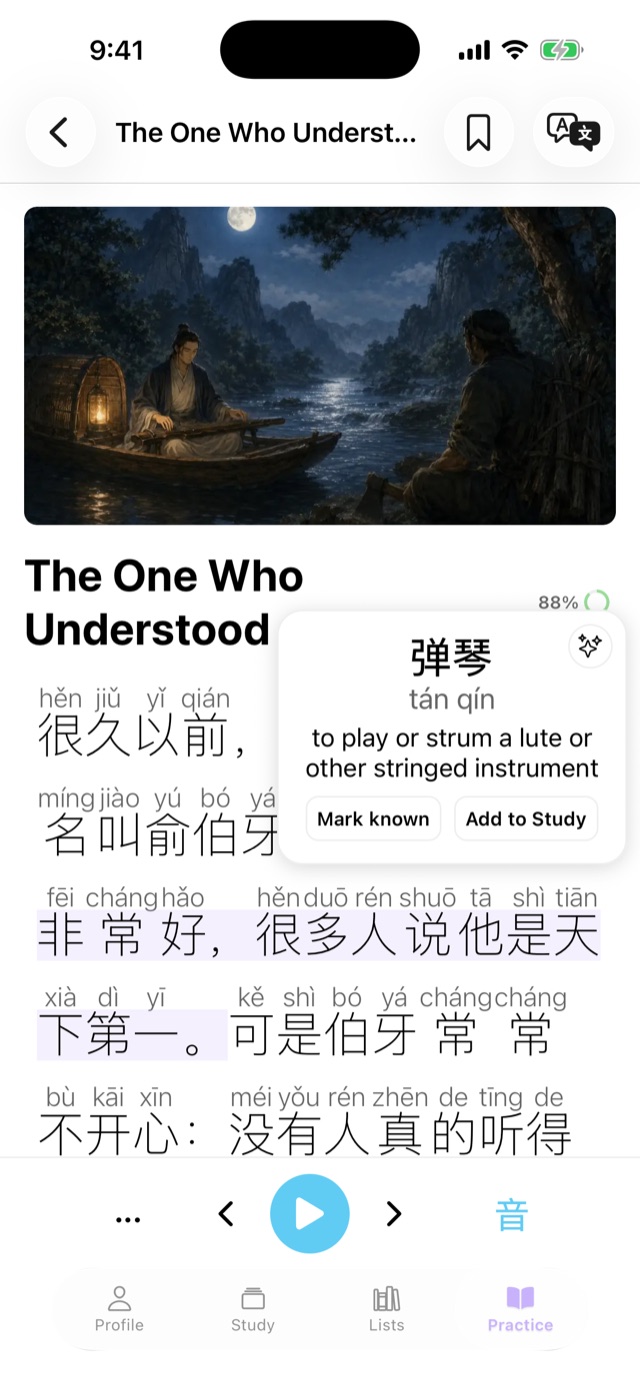
The Literate Chinese app reading a story with pinyin and tap-to-define

Also useful: All free intermediate reading picks · Not sure of your level? Take the 2-minute character test · All reading comprehension levels · For teachers

Try reading your first story

The fastest way to make characters stick is to meet them in a story you can actually finish. Literate Chinese has 1,000+ graded stories matched to the words you know — in Mainland or Taiwan Mandarin, Simplified or Traditional. Free on iOS and Android.

Download on the App Store Get it on Google Play

Prefer the browser? Read a free story on the web →