HSK 4 Reading Comprehension Exercises

These are 12 HSK 4 Chinese reading passages, each followed by multiple-choice comprehension questions you can check right on the page. Read with pinyin off, answer, then check: each answer shows the line of the passage it comes from. An answer key and a printable PDF worksheet (Simplified or Traditional) are at the bottom.

  • 12passages
  • 36questions
  • 86–349characters each
  • 2printable PDFs
HSK 4 reading comprehension at a glance
  • 12 passages of 86–349 characters, for learners who know roughly 2,000 HSK words.
  • 36 multiple-choice questions in Chinese, checked instantly, with the supporting line and its English translation.
  • Pinyin, English translations and Traditional characters are one tap away, and every word in a passage can be tapped for its meaning.
  • Free printable worksheets: Simplified PDFTraditional PDF, with a word list per passage and an answer key.

How to use these HSK 4 reading comprehension exercises

HSK 4 passages are 86–349 characters, mostly the stories behind famous idioms (自相矛盾, 望梅止渴, 拔苗助长) plus classic fables. Several questions ask what the idiom or the moral means, which is the kind of inference intermediate exams test.

  1. Read once with pinyin and translation off. Get the gist; don't stop at every unknown word.
  2. Answer the questions without looking anything up, then press Check answers.
  3. Look at the line that proves each answer, especially the ones you missed.
  4. Reread with pinyin on and tap the words that tripped you up. A second pass is where characters stick.

12 HSK 4 reading passages with questions

Tap a word in a passage for its meaning

1 Lil Jon Takes the Bus

HSK 4 · 86 characters · Day in the Life of Lil Jon

在zài公交车站gōng jiāo chē zhàn,At the bus stop,司机sī jī问wèn:“您nín有yǒu票piào吗ma,先生xiān sheng?”The driver asked, "Do you have your ticket, sir?"

小约翰xiǎo yuē hàn:“什么shén me?!”Lil Jon: "What?!"

司机sī jī慢慢地màn màn de重复chóng fù说shuō:“您nín有yǒu票piào吗ma?”The driver repeated slowly, "Do you have your ticket?"

小约翰xiǎo yuē hàn:“什么shén me?!”Lil Jon: "What?!"

司机sī jī又yòu问wèn:“您nín有yǒu票piào吗ma?”The driver asked again, "Do you have your ticket?"小约翰xiǎo yuē hàn出示chū shì了le他的tā de票piào。Lil Jon showed his ticket.

小约翰xiǎo yuē hàn:“好啊hǎo a!”Lil Jon: "Yeah!"司机sī jī微笑wēi xiào着zhe。The driver smiled.

他说tā shuō:“好的hǎo de,祝zhù您nín一天yī tiān愉快yú kuài!”He said, "Alright, have a nice day!"小约翰xiǎo yuē hàn高兴地gāo xìng de上了shàng le车chē。Lil Jon stepped on board cheerfully.他说tā shuō:“好的hǎo de!”He said, "Okay!"

Questions

  1. 在zài公交车站gōng jiāo chē zhàn,司机sī jī问wèn小约翰xiǎo yuē hàn什么shén me?

  2. 司机sī jī一共yī gòng问wèn了le几次jǐ cì“您nín有yǒu票piào吗ma”?

  3. 小约翰xiǎo yuē hàn出示chū shì了le他的tā de票piào以后yǐ hòu,司机sī jī做了zuò le什么shén me?

2 Finding a Way

HSK 4 · 108 characters · Xiao Guo at Work

小郭xiǎo guō深呼吸shēn hū xī,告诉gào sù自己zì jǐ要yào冷静lěng jìng。Xiao Guo takes a deep breath and tells himself to stay calm.

他tā马上mǎ shàng打开dǎ kāi邮箱yóu xiāng,找到zhǎo dào那封nà fēng邮件yóu jiàn。He quickly opens his email and finds the message.他tā想xiǎng:“也许yě xǔ客户kè hù还没hái méi看kàn。”He thinks, “Maybe the client hasn’t seen it yet.”于是yú shì他tā立刻lì kè写了xiě le第二封dì èr fēng邮件yóu jiàn。So he immediately writes a second email.

他tā在zài邮件yóu jiàn里lǐ写xiě:“对不起duì bù qǐ,刚才gāng cái的de文件wén jiàn发错了fā cuò le,请qǐng看kàn这个zhè ge新的xīn de。”He writes, “Sorry, I sent the wrong file earlier. Please see this new one.”

发完后fā wán hòu,他tā去qù跟gēn老板lǎo bǎn说明shuō míng情况qíng kuàng。After sending it, he goes to explain everything to his boss.老板lǎo bǎn听了tīng le,点点头diǎn diǎn tóu,说shuō:“下次xià cì小心xiǎo xīn。”The boss listens, nods, and says, “Be careful next time.”

小郭xiǎo guō松了sōng le一口气yī kǒu qì,但dàn心里xīn li还hái觉得jué de不安bù ān。Xiao Guo sighs in relief, but still feels uneasy inside.

Questions

  1. 小郭xiǎo guō为什么wèi shén me马上mǎ shàng写xiě第二封dì èr fēng邮件yóu jiàn?

  2. 老板lǎo bǎn听了tīng le小郭xiǎo guō说明shuō míng情况qíng kuàng以后yǐ hòu,说shuō了le什么shén me?

  3. 故事gù shì的de最后zuì hòu,小郭xiǎo guō心里xīn li觉得jué de怎么样zěn me yàng?

3 The Fox and the Grapes

HSK 4 · 185 characters · Classic Fables

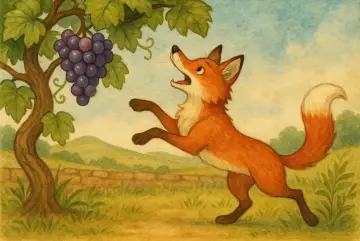
一个yī ge炎热的yán rè de夏天xià tiān,狐狸hú li又yòu饿è又yòu渴kě。On a hot summer day, the fox was both hungry and thirsty.它tā走着走着zǒu zhe zǒu zhe,忽然hū rán发现fā xiàn路边lù biān有yǒu一yī架jià葡萄藤pú tao téng。As it was walking, it suddenly discovered a grapevine by the roadside.上面shàng miàn挂满guà mǎn了le一串串yī chuàn chuàn紫莹莹zǐ yíng yíng的de葡萄pú tao!It was laden with bunches of glistening purple grapes!

“哇wā,这些zhè xiē葡萄pú tao看起来kàn qǐ lai真zhēn甜tián!”“Wow, these grapes look really sweet!”狐狸hú li馋得chán de直zhí流liú口水kǒu shuǐ。The fox was drooling with greed.它tā后退hòu tuì几jǐ步bù,使劲shǐ jìn往上wǎng shàng一yī跳tiào——It stepped back a few paces and jumped with all its might,可kě葡萄架pú tao jià太tài高gāo了le,它tā没méi够着gòu zháo。but the grapevine was too high, and it couldn’t reach.

狐狸hú li不服气bù fú qì,又yòu跳tiào了le好hǎo几jǐ次cì,The fox, not willing to give up, jumped several more times,可kě每次měi cì都dōu差chà一点点yī diǎn diǎn。but each time it was just a little short.最后zuì hòu,它tā累得lèi de趴pā在zài地上dì shang直zhí喘气chuǎn qì。Finally, it was so tired that it lay on the ground panting.

这时zhè shí,狐狸hú li抬头tái tóu看kàn了le看kàn葡萄pú tao,At this moment, the fox looked up at the grapes,突然tū rán叉着chā zhe腰yāo说shuō:suddenly put its paws on its hips and said:“哼hēng!这些zhè xiē葡萄pú tao肯定kěn dìng还hái没méi熟shú,酸得suān de要命yào mìng!“Hmph! These grapes are definitely not ripe yet; they must be terribly sour!”我wǒ才cái不bù想xiǎng吃chī呢ne!”“I don’t want to eat them anyway!”

说完shuō wán,它tā扭头niǔ tóu就jiù走zǒu了le。After saying that, it turned around and walked away.

寓意yù yì:有些人yǒu xiē rén得不到dé bù dào想要的xiǎng yào de东西dōng xi时shí,会huì假装jiǎ zhuāng自己zì jǐ其实qí shí不bù喜欢xǐ huan它tā。The moral is: When some people can't get what they want, they pretend they don't actually like it.

Questions

  1. 狐狸hú li为什么wèi shén me没有méi yǒu吃到chī dào葡萄pú tao?

  2. 狐狸hú li最后zuì hòu离开lí kāi的de时候shí hou,它tā说shuō这些zhè xiē葡萄pú tao怎么样zěn me yàng?

  3. 这个zhè ge故事gù shì的de寓意yù yì是shì什么shén me?

4 The Sky-Fearing Man of Qi

HSK 4 · 190 characters · Chinese Idioms

很久hěn jiǔ很久hěn jiǔ以前yǐ qián,杞qǐ国guó有yǒu个gè人rén天天tiān tiān抬头tái tóu看kàn天tiān。Long, long ago, in the state of Qi, there was a man who looked up at the sky every day.他tā怕pà天tiān突然tū rán掉下来diào xià lái把bǎ大家dà jiā压扁yā biǎn。He feared the sky might suddenly fall and crush everyone.结果jié guǒ吃不好chī bù hǎo睡不着shuì bù zháo,还hái到处dào chù提醒tí xǐng邻里lín lǐ要yào提防dī fang这场zhè chǎng“灾难zāi nàn”。As a result, he ate poorly, couldn’t sleep, and went around warning the villagers to guard against this “disaster.”

村cūn里lǐ一位yī wèi老者lǎo zhě听了tīng le,笑着xiào zhe说shuō:“天tiān只是zhǐ shì高高的gāo gāo de气层qì céng,地dì只是zhǐ shì厚厚的hòu hòu de土层tǔ céng。”An elder in the village heard this and laughed, saying, 'The sky is only a high layer of air, and the earth is only a thick layer of soil.'他tā补充bǔ chōng说shuō:“它们tā men各gè安ān其qí位wèi,根本gēn běn不会bù huì说shuō塌tā就jiù塌tā。”He added, 'They each hold their place and certainly won’t just collapse.'那位nà wèi杞qǐ国guó人rén才cái恍然大悟huǎng rán dà wù。The man from Qi suddenly realized the truth.从此cóng cǐ,人们rén men就jiù用yòng“杞人忧天qǐ rén yōu tiān”来lái形容xíng róng那些nà xiē胡思乱想hú sī luàn xiǎng、为wèi不可能bù kě néng的de事shì担心dān xīn的de人rén。From then on, people used 'Qi ren you tian' to describe those who worry needlessly about impossible matters.

现在xiàn zài我们wǒ men也yě常用cháng yòng这个zhè ge成语chéng yǔ。Nowadays, we also often use this idiom.比如bǐ rú朋友péng you考试kǎo shì才cái刚gāng交卷jiāo juàn,就jiù整晚zhěng wǎn失眠shī mián,担心dān xīn自己zì jǐ全quán写错xiě cuò了le。For example, a friend has just submitted an exam, then stays up all night worrying they wrote everything wrong.

这时zhè shí,你nǐ可以kě yǐ安慰ān wèi他tā:“别bié杞人忧天qǐ rén yōu tiān啦la,好好hǎo hǎo睡shuì一觉yī jiào吧ba!”At this point, you can comfort him by saying, 'Don’t be a worrier of Qi; get a good night’s sleep!'

Questions

  1. 杞国qǐ guó人rén天天tiān tiān担心dān xīn什么shén me?

  2. 老者lǎo zhě告诉gào sù他tā什么shén me?

  3. 什么样shén me yàng的de人rén可以kě yǐ说shuō是shì“杞人忧天qǐ rén yōu tiān”?

5 The Impatient Farmer

HSK 4 · 251 characters · Chinese Idioms

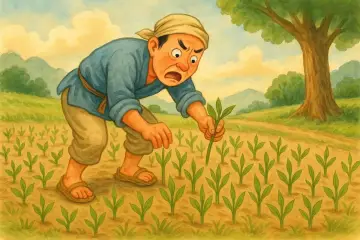
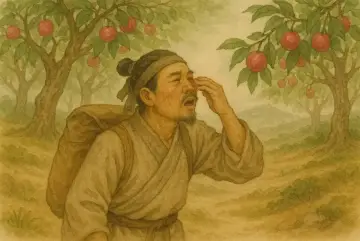
从前cóng qián有yǒu个gè农民nóng mín。Once upon a time, there was a farmer.他tā每天měi tiān都dōu很hěn着急zháo jí。He was very anxious every day.他tā希望xī wàng田里tián lǐ的de秧苗yāng miáo快点kuài diǎn长高zhǎng gāo。He hoped that the seedlings in the field would grow taller quickly.一天yī tiān,他tā想到xiǎng dào了le一个yī ge办法bàn fǎ。One day, he came up with an idea.他tā把bǎ每měi棵kē秧苗yāng miáo都dōu往wǎng上shàng拔bá高gāo一点yī diǎn。He pulled each seedling up a little.第二天dì èr tiān,他tā发现fā xiàn所有suǒ yǒu的de秧苗yāng miáo都dōu枯死kū sǐ了le。The next day, he discovered that all the seedlings had withered and died.原来yuán lái,是shì他tā拔bá苗miáo的de做法zuò fǎ害hài了le它们tā men。It turned out his pulling up the seedlings had killed them.

农民nóng mín的de儿子ér zi看到kàn dào后hòu很hěn难过nán guò。The farmer's son felt very sad when he saw this.他tā告诉gào sù父亲fù qīn植物zhí wù需要xū yào时间shí jiān才cái能néng长大zhǎng dà。He told his father that plants need time to grow.农民nóng mín终于zhōng yú明白míng bai了le:The farmer finally understood:做事zuò shì不能bù néng太tài着急zháo jí。One should not be too impatient.要yào尊重zūn zhòng自然zì rán的de规律guī lǜ。One must respect the laws of nature.从那以后cóng nà yǐ hòu,他tā重新chóng xīn种zhòng了le秧苗yāng miáo,耐心地nài xīn de照顾zhào gu庄稼zhuāng jia。From then on, he replanted the seedlings and patiently tended to his crops.秋天qiū tiān果然guǒ rán收获shōu huò了le满满mǎn mǎn的de粮食liáng shi。In autumn, he indeed harvested a bountiful crop.

“拔苗助长bá miáo zhù zhǎng”字面zì miàn意思yì si是shì把bǎ苗miáo往wǎng上shàng拔bá,想xiǎng帮助bāng zhù它们tā men生长shēng zhǎng。Literally, '拔苗助长' means pulling the seedlings up to try to help them grow.这个zhè ge成语chéng yǔ来自lái zì一个yī ge古代gǔ dài的de故事gù shì。This idiom comes from an ancient story.故事gù shì讲jiǎng的de是shì一个yī ge农民nóng mín心急xīn jí,反而fǎn ér毁huǐ了le庄稼zhuāng jia。The story tells of a farmer whose impatience instead destroyed his crops.现在xiàn zài用来yòng lái形容xíng róng急于求成jí yú qiú chéng,反而fǎn ér把bǎ事情shì qing弄坏nòng huài。Nowadays it is used to describe being too eager for quick success and spoiling things instead.

老师lǎo shī告诉gào sù家长jiā zhǎng,给gěi孩子hái zi报bào太多tài duō补习班bǔ xí bān是shì“拔苗助长bá miáo zhù zhǎng”。The teacher told the parents that signing their children up for too many tutoring classes is '拔苗助长'.应该yīng gāi让ràng他们tā men快乐kuài lè学习xué xí。They should let them learn happily.

Questions

  1. 农民nóng mín为什么wèi shén me把bǎ秧苗yāng miáo往上wǎng shàng拔bá?

  2. 第二天dì èr tiān,秧苗yāng miáo怎么样zěn me yàng了le?

  3. 老师lǎo shī说shuō报bào太多tài duō补习班bǔ xí bān是shì“拔苗助长bá miáo zhù zhǎng”,意思yì si是shì什么shén me?

6 The Princess and the Pea

HSK 4 · 263 characters · Classic Fables

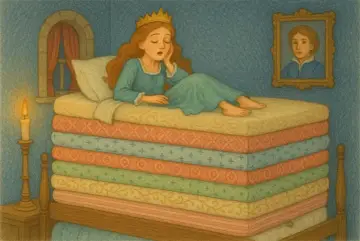
从前cóng qián,有yǒu一位yī wèi王子wáng zǐ想xiǎng找zhǎo一位yī wèi真正的zhēn zhèng de公主gōng zhǔ。Once upon a time, there was a prince who wanted to find a real princess.一个yī ge下大雨xià dà yǔ的de晚上wǎn shang,王宫wáng gōng门口mén kǒu突然tū rán传来chuán lái敲门声qiāo mén shēng。On a rainy evening, there was a sudden knock at the palace gate.老国王lǎo guó wáng打开dǎ kāi门mén,看见kàn jiàn一个yī ge淋得lín de湿透shī tòu的de女孩nǚ hái,她tā说shuō自己zì jǐ是shì真正的zhēn zhèng de公主gōng zhǔ,请求qǐng qiú借宿jiè sù一yī晚wǎn。The old king opened the door and saw a girl soaked to the skin, who claimed to be a real princess and asked to stay for the night.

王后wáng hòu悄悄qiāo qiāo想xiǎng了le个gè主意zhǔ yi。The queen quietly came up with an idea.她tā往wǎng床板chuáng bǎn上shàng放fàng了le一yī粒lì豌豆wān dòu,然后rán hòu搬bān来lái二十èr shí层céng厚厚hòu hòu的de床垫chuáng diàn和hé二十èr shí床chuáng羽绒被yǔ róng bèi,让ràng女孩nǚ hái睡shuì在zài上面shàng miàn。She placed a pea on the bedboard, then brought twenty thick mattresses and twenty down quilts, and let the girl sleep on top.

第二天dì èr tiān早上zǎo shang,王后wáng hòu问wèn:“昨晚zuó wǎn睡shuì得de好hǎo吗ma?”The next morning, the queen asked, 'Did you sleep well last night?'

女孩nǚ hái揉róu着zhe眼睛yǎn jing说shuō:“床chuáng好hǎo软ruǎn,可kě我wǒ总zǒng觉得jué de有yǒu什么shén me硬yìng东西dōng xi硌gè着zhe背bèi,整夜zhěng yè都dōu没méi睡着shuì zháo!您nín看kàn,我wǒ背bèi上shàng还hái有yǒu瘀青yū qīng呢ne!”The girl rubbed her eyes and said, 'The bed was very soft, but I kept feeling something hard pressing against my back, and I couldn't sleep all night! Look, there are bruises on my back!'

王后wáng hòu立刻lì kè笑xiào了le:“只有zhǐ yǒu真正zhēn zhèng的de公主gōng zhǔ才cái会huì这么zhè me娇嫩jiāo nen,连lián被子bèi zi下xià的de豌豆wān dòu都dōu能néng感觉gǎn jué到dào!”The queen immediately smiled and said, 'Only a real princess would be so delicate that she could feel a pea under the quilts!'

国王guó wáng高兴gāo xìng地de宣布xuān bù:“你nǐ就是jiù shì我们wǒ men要yào找zhǎo的de公主gōng zhǔ!”The king happily announced, 'You are the princess we are looking for!'后来hòu lái,王子wáng zǐ和hé这位zhè wèi娇嫩jiāo nen的de公主gōng zhǔ结jié了le婚hūn,那nà粒lì豌豆wān dòu还hái被bèi收shōu进jìn了le博物馆bó wù guǎn呢ne!Later, the prince married this delicate princess, and that pea was even kept in a museum!

寓意yù yì:真正zhēn zhèng的de特别tè bié之zhī处chù,往往wǎng wǎng藏cáng在zài最zuì细微xì wēi的de地方dì fāng。Moral: True uniqueness often lies in the smallest details.

Questions

  1. 女孩nǚ hái为什么wèi shén me整夜zhěng yè都dōu没méi睡着shuì zháo?

  2. 王后wáng hòu为什么wèi shén me往wǎng床板chuáng bǎn上shàng放fàng一yī粒lì豌豆wān dòu?

  3. 这个zhè ge故事gù shì的de寓意yù yì是shì什么shén me?

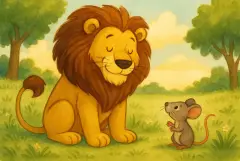
7 The Lion and the Mouse

HSK 4 · 265 characters · Classic Fables

有一天yǒu yī tiān,一yī只zhī狮子shī zi在zài森林sēn lín里lǐ睡觉shuì jiào。One day, a lion was sleeping in the forest.突然tū rán,一yī只zhī小xiǎo老鼠lǎo shǔ不小心bù xiǎo xīn跑pǎo到dào了le狮子shī zi身上shēn shang。Suddenly, a little mouse accidentally ran onto the lion's body.狮子shī zi被bèi吵醒chǎo xǐng了le,非常fēi cháng生气shēng qì,一把yī bǎ抓住zhuā zhù了le老鼠lǎo shǔ,说shuō:“你nǐ竟敢jìng gǎn打扰dǎ rǎo我wǒ!我wǒ要yào吃掉chī diào你nǐ!”The lion was woken up and very angry. He grabbed the mouse and said, 'How dare you disturb me! I'm going to eat you!'

老鼠lǎo shǔ吓得xià de发抖fā dǒu,小声xiǎo shēng说shuō:“求求qiú qiú你nǐ,放fàng了le我wǒ吧ba!”The mouse trembled with fear and said softly, 'Please, let me go!'

“我wǒ这么zhè me小xiǎo,不够bù gòu你nǐ吃chī一yī口kǒu。”'I am so small, not enough for you to eat in one bite.'

“如果rú guǒ你nǐ放了fàng le我wǒ,我wǒ将来jiāng lái一定yī dìng会huì报答bào dá你nǐ的de!”“If you let me go, I will definitely repay you in the future!”

狮子shī zi听tīng了le哈哈hā hā大笑dà xiào:“你nǐ这么zhè me小xiǎo,能néng帮bāng我wǒ什么shén me?”The lion heard this and laughed, 'You are so small, how could you ever help me?'但dàn它tā觉得jué de老鼠lǎo shǔ可怜kě lián,最后zuì hòu还是hái shi松开sōng kāi了le爪子zhuǎ zi,放走fàng zǒu了le它tā。But he pitied the mouse, and finally loosened his paw and let it go.

过guò了le几天jǐ tiān,狮子shī zi不小心bù xiǎo xīn掉进diào jìn了le猎人liè rén设shè的de陷阱xiàn jǐng,被bèi一yī张zhāng大dà网wǎng紧紧jǐn jǐn缠住chán zhù。A few days later, the lion fell into a hunter's trap, and was caught tight in a big net.它tā拼命pīn mìng挣扎zhēng zhá,却què怎么zěn me也yě逃táo不bù出来chū lái。He struggled desperately but couldn't escape.

这时zhè shí,小xiǎo老鼠lǎo shǔ听到tīng dào了le狮子shī zi的de吼声hǒu shēng。At this time, the little mouse heard the lion's roar.它tā赶紧gǎn jǐn跑pǎo过来guò lái,用yòng牙齿yá chǐ一点一点yī diǎn yī diǎn咬破yǎo pò了le网wǎng。It quickly ran over and bit through the net bit by bit.狮子shī zi终于zhōng yú得救dé jiù了le!The lion was finally saved!

老鼠lǎo shǔ对duì狮子shī zi说shuō:“你nǐ看kàn,我wǒ说shuō过guo会huì报答bào dá你nǐ的de吧ba!”The mouse said to the lion, 'See, I told you I’d repay you!'

“即使jí shǐ小xiǎo动物dòng wù也yě能néng帮上bāng shàng大忙dà máng。”'Even small animals can be of great help.'

狮子shī zi又yòu惭愧cán kuì又yòu感激gǎn jī,从此cóng cǐ再也zài yě不bù小看xiǎo kàn弱小ruò xiǎo的de朋友péng you了le。The lion was ashamed and grateful, never again looking down on weak friends.

Questions

  1. 狮子Shī zǐ为什么wèi shén me非常fēi cháng生气shēng qì?

  2. 老鼠lǎo shǔ是shì怎么zěn me救jiù狮子Shī zǐ的de?

  3. 这个zhè ge故事gù shì告诉gào sù我们wǒ men什么shén me?

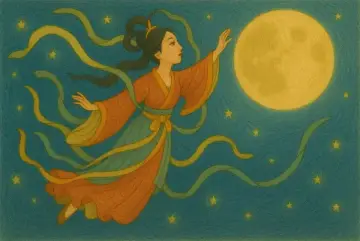
8 Chang'e Flies to the Moon

HSK 4 · 270 characters · Festivals & Legends

很久hěn jiǔ以前yǐ qián,天上tiān shàng突然tū rán出现chū xiàn十个shí gè太阳tài yang!Long ago, ten suns suddenly appeared in the sky!大地dà dì被bèi烤kǎo得de冒烟mào yān,人们rén men热rè得de喘chuǎn不过bù guò气qì。The earth was scorched and smoking, and people were so hot they couldn't breathe.神箭手shén jiàn shǒu后羿Hòu Yì举起jǔ qǐ弓箭gōng jiàn,“嗖嗖嗖sōu sōu sōu”射下shè xià九个jiǔ gè太阳tài yang。The divine archer Houyi raised his bow and arrow, and with a "whoosh whoosh whoosh," shot down nine suns.只zhǐ留liú一个yī ge照亮zhào liàng人间rén jiān。He left only one to illuminate the world.

天帝tiān dì奖励jiǎng lì后羿Hòu Yì一颗yī kē长生不老药cháng shēng bù lǎo yào,说shuō:“吃下chī xià就jiù能néng成仙chéng xiān!”The Heavenly Emperor rewarded Houyi with an immortality pill, saying, "Eat this and you can become an immortal!"

后羿Hòu Yì把bǎ药yào交给jiāo gěi妻子qī zi嫦娥Cháng É保管bǎo guǎn。Houyi entrusted the pill to his wife Chang'e for safekeeping.可是kě shì,坏huài徒弟tú dì蓬蒙Péng Méng想xiǎng偷偷tōu tōu抢qiǎng药yào。However, the wicked disciple Peng Meng secretly wanted to steal the pill.

一天yī tiān晚上wǎn shang,蓬蒙Péng Méng趁chèn后羿Hòu Yì不在bù zài,举刀jǔ dāo冲进chōng jìn屋子wū zi:“快kuài把bǎ仙药xiān yào交出来jiāo chū lái!”One night, when Houyi was not home, Peng Meng rushed into the house with a knife, shouting, "Hand over the immortality pill!"嫦娥Cháng É急中生智jí zhōng shēng zhì,抓起zhuā qǐ药yào吞了tūn le下去xià qù!In a moment of desperation, Chang'e grabbed the pill and swallowed it!突然tū rán,她tā身子shēn zi变轻biàn qīng飘了piāo le起来qǐ lai,越yuè飞fēi越yuè高gāo。Suddenly, her body became light and she floated up, flying higher and higher.最后zuì hòu落到luò dào了le冷清lěng qīng的de月亮yuè liang上shàng。Finally, she landed on the desolate moon.

后羿Hòu Yì回家huí jiā后hòu伤心shāng xīn极了jí le,每晚měi wǎn都dōu望着wàng zhe月亮yuè liang。When Houyi returned home, he was heartbroken and gazed at the moon every night.他tā发现fā xiàn月亮yuè liang上shàng有yǒu个gè晃动huàng dòng的de影子yǐng zi,就jiù像xiàng嫦娥Cháng É在zài跳舞tiào wǔ。He noticed a swaying shadow on the moon, as if Chang'e was dancing.人们rén men说shuō,嫦娥Cháng É身边shēn biān有yǒu只zhī雪白xuě bái的de玉兔yù tù陪péi她tā捣药dǎo yào。People say that beside Chang'e, there is a snow-white jade rabbit accompanying her in pounding medicine.还有hái yǒu棵kē永远yǒng yuǎn砍kǎn不bù倒dǎo的de桂树guì shù飘香piāo xiāng。There is also an ever-fragrant osmanthus tree that can never be chopped down.

寓意yù yì:有时候yǒu shí hou为了wèi le保护bǎo hù爱ài的de人rén,我们wǒ men需要xū yào勇敢yǒng gǎn的de牺牲xī shēng。即使jí shǐ分离fēn lí,美好měi hǎo的de记忆jì yì也yě会huì像xiàng月光yuè guāng一样yī yàng永远yǒng yuǎn明亮míng liàng。Moral: Sometimes, to protect the ones we love, we need to make brave sacrifices. Even in separation, beautiful memories will shine forever like moonlight.

Questions

  1. 后羿hòu yì为什么wèi shén me射下shè xià九个jiǔ gè太阳tài yang?

  2. 嫦娥Cháng é为什么wèi shén me把bǎ仙药xiān yào吞了tūn le下去xià qù?

  3. 嫦娥Cháng é飞fēi到dào月亮yuè liang上shàng以后yǐ hòu,后羿hòu yì做了zuò le什么shén me?

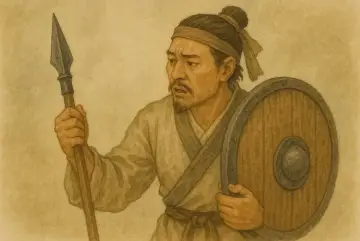
9 The Shield and the Spear

HSK 4 · 273 characters · Chinese Idioms

很久hěn jiǔ以前yǐ qián,在zài中国zhōng guó有yǒu一位yī wèi卖mài武器wǔ qì的de商人shāng rén。A long time ago, in China, there was a merchant who sold weapons.有一天yǒu yī tiān,他tā在zài市场shì chǎng里lǐ卖mài东西dōng xi。One day, he was selling things in the market.

他tā拿起ná qǐ一面yī miàn大dà盾牌dùn pái,大声dà shēng对duì大家dà jiā说shuō:「大家dà jiā快kuài来lái看kàn!我的wǒ de盾牌dùn pái是shì世界上shì jiè shàng最zuì坚固jiān gù的de,什么shén me东西dōng xi都dōu刺cì不bù穿chuān它tā!」He picked up a large shield and loudly said to everyone: "Everyone, come quickly and see! My shield is the strongest in the world; nothing can pierce it!"

接着jiē zhe,他tā又yòu举起jǔ qǐ一支yī zhī长矛cháng máo,得意dé yì地de说shuō:「大家dà jiā再zài来lái看kàn!我的wǒ de长矛cháng máo是shì世界上shì jiè shàng最zuì锋利fēng lì的de,不管bù guǎn什么shén me东西dōng xi它tā都dōu能néng刺cì穿chuān!”Then, he proudly raised a spear and said: "Everyone, look again! My spear is the sharpest in the world; it can pierce anything!"

人群rén qún中zhōng有yǒu人rén觉得jué de奇怪qí guài,就jiù问wèn他tā:「如果rú guǒ你nǐ用yòng你nǐ最zuì锋利fēng lì的de长矛cháng máo去qù刺cì你nǐ最zuì坚固jiān gù的de盾牌dùn pái,会huì发生fā shēng什么shén me事shì呢ne?”Someone in the crowd found it strange and asked him: "If you use your sharpest spear to pierce your strongest shield, what would happen?"

这位zhè wèi商人shāng rén听tīng了le以后yǐ hòu,不bù知道zhī dào怎么zěn me回答huí dá,因为yīn wèi他的tā de两liǎng句jù话huà不bù可能kě néng同时tóng shí成立chéng lì。After hearing this, the merchant didn't know how to respond, because his two statements could not both be true at the same time.

他tā尴尬gān gà得de说shuō不bù出chū话huà来lái。He became speechless with embarrassment.

今天jīn tiān,人们rén men用yòng成语chéng yǔ“自相矛盾zì xiāng máo dùn”来lái形容xíng róng一个yī ge人rén说shuō的de话huà或huò做zuò的de事shì前后qián hòu矛盾máo dùn,自己zì jǐ跟gēn自己zì jǐ冲突chōng tū。Today, people use the idiom "self-contradictory spear and shield" to describe someone whose words or actions are inconsistent, conflicting with themselves.

例如lì rú,小美xiǎo měi常cháng跟gēn朋友péng you说shuō:「我wǒ最近zuì jìn要yào好好hǎo hǎo省钱shěng qián。」可是kě shì她tā却què一直yī zhí买mǎi很hěn贵guì的de衣服yī fu和hé包包bāo bāo。For example, Xiaomei often says to her friends: "I'm going to really save money these days." But she keeps buying expensive clothes and bags.这zhè就是jiù shì“自相矛盾zì xiāng máo dùn”,因为yīn wèi她tā说shuō的de和hé做zuò的de完全wán quán不bù一样yī yàng。This is "self-contradictory spear and shield," because what she says and what she does are completely different.

Questions

  1. 商人shāng rén说shuō他的tā de盾牌dùn pái和hé长矛cháng máo怎么样zěn me yàng?

  2. 为什么wèi shén me商人shāng rén说不出shuō bù chū话huà来lái?

  3. 下面xià miàn哪nǎ件jiàn事shì是shì“自相矛盾zì xiāng máo dùn”?

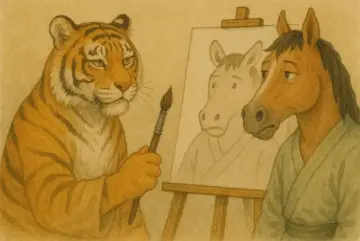
10 The Painter and the Horse-Tiger

HSK 4 · 290 characters · Chinese Idioms

从前cóng qián有yǒu一位yī wèi画家huà jiā,他tā擅长shàn cháng画huà动物dòng wù。Once upon a time, there was a painter who was good at painting animals.

有一天yǒu yī tiān,他tā正在zhèng zài画huà一只yī zhī老虎lǎo hǔ,画到huà dào一半yī bàn的de时候shí hou,有人yǒu rén来lái请qǐng他tā画huà一匹yī pǐ马mǎ。One day, while he was painting a tiger and had painted half of it, someone came to ask him to paint a horse.这位zhè wèi画家huà jiā不想bù xiǎng重新chóng xīn画huà,就jiù在zài原来yuán lái那幅nà fú老虎lǎo hǔ画huà上shàng加jiā了le马mǎ的de耳朵ěr duo和hé蹄子tí zi,试图shì tú让ràng这幅zhè fú画huà看起来kàn qǐ lai既jì像xiàng马mǎ又yòu像xiàng老虎lǎo hǔ。The painter did not want to start over, so he added horse ears and hooves to the original tiger painting, trying to make it look like both a horse and a tiger.

后来hòu lái,他的tā de儿子ér zi看到kàn dào这幅zhè fú画huà后hòu搞不清楚gǎo bù qīng chu那nà是shì马mǎ还是hái shi老虎lǎo hǔ。Later, his son saw the painting and could not figure out whether it was a horse or a tiger.有一天yǒu yī tiān,儿子ér zi在zài野外yě wài遇到yù dào了le一只yī zhī真正zhēn zhèng的de老虎lǎo hǔ,以为yǐ wéi那nà是shì马mǎ,结果jié guǒ被bèi老虎lǎo hǔ吃掉chī diào了le。One day, the son encountered a real tiger in the wild and thought it was a horse, and as a result, he was eaten by the tiger.

画家huà jiā非常fēi cháng后悔hòu huǐ,从此cóng cǐ以后yǐ hòu人们rén men用yòng“马马虎虎mǎ ma hū hū”来lái形容xíng róng做事zuò shì不bù认真rèn zhēn、草草了事cǎo cǎo liǎo shì,可能kě néng会huì带来dài lái严重yán zhòng后果hòu guǒ。The painter was very regretful, and from then on, people used '马马虎虎' to describe doing things carelessly or half-heartedly, which could lead to serious consequences.

“马马虎虎mǎ ma hū hū”这个zhè ge词cí的de意思yì si是shì事情shì qing做zuò得de不够bù gòu仔细zǐ xì、态度tài du不bù认真rèn zhēn,有时yǒu shí也yě可以kě yǐ指zhǐ一般般yī bān bān、还hái过得去guò dé qù。The phrase '马马虎虎' means doing things not carefully enough, with a lack of seriousness, and sometimes it can also mean something is just so-so or passable.例如lì rú,有人yǒu rén问wèn你nǐ今天jīn tiān的de考试kǎo shì怎么样zěn me yàng,你nǐ可能kě néng会huì说shuō:“马马虎虎mǎ ma hū hū吧ba,考kǎo得de不bù太tài好hǎo也yě不bù太tài差chà。”意思yì si是shì成绩chéng jì可能kě néng不会bù huì太tài差chà,但dàn也yě没méi特别tè bié好hǎo。For example, if someone asks you how your exam was today, you might say: '马马虎虎吧, I didn't do too well, but not too badly either,' meaning your score might not be too bad, but also not particularly good.这个zhè ge成语chéng yǔ提醒tí xǐng我们wǒ men,做zuò事情shì qing不能bù néng随便suí biàn,否则fǒu zé可能kě néng会huì带来dài lái不bù好hǎo的de后果hòu guǒ。This idiom reminds us that we should not be careless in doing things, otherwise it may lead to bad consequences.

Questions

  1. 画家huà jiā为什么wèi shén me在zài老虎lǎo hǔ画上huà shàng加jiā了le马mǎ的de耳朵ěr duo和hé蹄子tí zi?

  2. 画家huà jiā的de儿子ér zi遇到yù dào真的zhēn de老虎lǎo hǔ时shí,发生fā shēng了le什么事shén me shì?

  3. 现在xiàn zài人们rén men用yòng“马马虎虎mǎ ma hū hū”形容xíng róng什么shén me?

11 Cao Cao and the Plum Trees

HSK 4 · 318 characters · Chinese Idioms

很久hěn jiǔ以前yǐ qián,在zài中国zhōng guó有yǒu一yī位wèi很hěn有名yǒu míng的de将军jiāng jūn曹操cáo cāo。A long time ago, there was a very famous general named Cao Cao in China.有yǒu一yī年nián夏天xià tiān,曹操cáo cāo带着dài zhe士兵shì bīng经过jīng guò一片yī piàn又yòu热rè又yòu干gān的de土地tǔ dì。One summer, Cao Cao led his soldiers through a hot and dry land.太阳tài yang非常fēi cháng强烈qiáng liè,大家dà jiā都dōu觉得jué de又yòu渴kě又yòu累lèi,身体shēn tǐ变得biàn de越来越yuè lái yuè没méi力气lì qi。The sun was very strong, and everyone felt thirsty and tired, their bodies becoming weaker and weaker.

曹操cáo cāo看到kàn dào士兵shì bīng们men的de力量lì liang渐渐jiàn jiàn减弱jiǎn ruò,知道zhī dào他们tā men还hái有yǒu很hěn远yuǎn的de路lù要yào走zǒu。Cao Cao saw that the soldiers' strength was gradually weakening and knew they still had a long way to go.突然tū rán,他tā想到xiǎng dào一个yī ge办法bàn fǎ。Suddenly, he thought of a plan.他tā大声dà shēng说shuō:“大家dà jiā加油jiā yóu!我wǒ记得jì de前面qián miàn不远bù yuǎn有yǒu一大片yī dà piàn梅林méi lín,里面lǐ miàn长满了zhǎng mǎn le青青酸酸qīng qīng suān suān的de梅子méi zi。等děng我们wǒ men到dào了le那里nà li,就能jiù néng吃到chī dào又yòu酸suān又yòu多汁duō zhī的de梅子méi zi!”He loudly said: 'Everyone, keep going! I remember there's a large plum grove not far ahead, full of unripe tart plums. When we get there, we can eat the tart, juicy plums!'

士兵shì bīng们men一yī听tīng,立刻lì kè想象xiǎng xiàng那nà酸酸多汁suān suān duō zhī的de味道wèi dao,嘴里zuǐ lǐ忍不住rěn bù zhù流liú口水kǒu shuǐ,很快hěn kuài就jiù忘了wàng le口渴kǒu kě。Upon hearing this, the soldiers immediately imagined the tart, juicy flavor, their mouths watering, and they soon forgot their thirst.他们tā men的de精神jīng shén好hǎo了le不少bù shǎo,脚步jiǎo bù也yě加快jiā kuài了le。Their spirits improved a lot, and their pace quickened.其实qí shí,前面qián miàn根本gēn běn没有méi yǒu梅林méi lín。最后zuì hòu,他们tā men顺利shùn lì到达dào dá目的地mù dì dì。In fact, there was no plum grove ahead at all. Finally, they successfully reached their destination.

现在xiàn zài,人们rén men用yòng成语chéng yǔ“望梅止渴wàng méi zhǐ kě”来lái形容xíng róng:一个yī ge人rén通过tōng guò想象xiǎng xiàng美好měi hǎo的de事情shì qing来lái安慰ān wèi自己zì jǐ,即使jí shǐ那件nà jiàn事shì还hái没méi发生fā shēng。Now, people use the idiom 'gazing at plums to quench thirst' to describe how a person consoles themselves by imagining something desirable, even if it hasn't happened yet.

例如lì rú,有个yǒu gè学生xué sheng汤姆tāng mǔ准备zhǔn bèi考试kǎo shì准备zhǔn bèi得de很hěn累lèi时shí,会huì想象xiǎng xiàng考完kǎo wán试shì后hòu放松fàng sōng的de样子yàng zi。For example, when a student named Tom is tired from preparing for an exam, he imagines how relaxed he will be after the exam.这种zhè zhǒng想法xiǎng fǎ让ràng他tā暂时zàn shí舒服shū fu一些yī xiē,虽然suī rán还要hái yào读书dú shū,但dàn他tā已经yǐ jīng在zài“望梅止渴wàng méi zhǐ kě”了le。This thought makes him feel temporarily comfortable, even though he still has to study, but he is already 'gazing at plums to quench thirst'.

Questions

  1. 士兵shì bīng们men为什么wèi shén me越yuè走zǒu越yuè没méi力气lì qi?

  2. 曹操cáo cāo想xiǎng了le什么shén me办法bàn fǎ?

  3. “望梅止渴wàng méi zhǐ kě”是shì什么shén me意思yì si?

12 The Little Mermaid

HSK 4 · 349 characters · Classic Fables

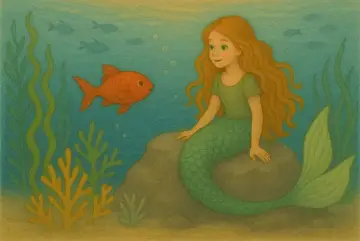
海底hǎi dǐ住zhù着zhe一yī位wèi小xiǎo美人鱼měi rén yú,她tā最zuì爱ài听tīng祖母zǔ mǔ讲jiǎng人类rén lèi的de故事gù shì。At the sea bottom lived a little mermaid who loved hearing her grandmother’s human stories.十五岁shí wǔ suì那年nà nián,她tā终于zhōng yú游yóu到dào海面hǎi miàn,At fifteen, she finally swam to the surface,看见kàn jiàn一yī艘sōu大船dà chuán上shàng的de王子wáng zǐ—他tā那么nà me英俊yīng jùn,小xiǎo美人鱼měi rén yú一眼yī yǎn就jiù喜欢xǐ huan上shàng了le他tā!saw a prince on a big ship, so handsome, she fell in love at first sight!

突然tū rán,暴风雨bào fēng yǔ来lái了le!Suddenly, a storm struck!船chuán沉chén了le,王子wáng zǐ掉diào进jìn海hǎi里lǐ。The ship sank, and the prince fell into the sea.小xiǎo美人鱼měi rén yú拼命pīn mìng把bǎ他tā拖tuō到dào岸边àn biān,The little mermaid desperately dragged him to the shore,悄悄qiāo qiāo躲duǒ在zài礁石jiāo shí后hòu,直到zhí dào有yǒu人rén发现fā xiàn王子wáng zǐ才cái离开lí kāi。quietly hid behind rocks until someone found the prince, then left.

为了wèi le再见zài jiàn王子wáng zǐ,她tā去qù找zhǎo海hǎi巫婆wū pó。To see the prince again, she sought the sea witch.巫婆wū pó说shuō:“用yòng你nǐ的de声音shēng yīn换huàn双shuāng腿tuǐ吧ba!The witch said, “Trade your voice for legs!但dàn每měi走zǒu一yī步bù都dōu像xiàng踩cǎi在zài刀尖dāo jiān上shàng。But each step will feel like walking on knife tips.如果rú guǒ王子wáng zǐ不bù娶qǔ你nǐ,你nǐ会huì变biàn成chéng泡沫pào mò!”If the prince doesn’t marry you, you’ll turn into foam!”小xiǎo美人鱼měi rén yú颤抖chàn dǒu着zhe喝hē下xià药水yào shuǐ,The little mermaid tremblingly drank the potion,尾巴wěi ba变成biàn chéng了le腿tuǐ,却què再也zài yě说shuō不出bù chū话huà。her tail became legs, but she could no longer speak.王子wáng zǐ发现fā xiàn了le她tā,带dài她tā回huí了le宫殿gōng diàn。The prince found her and took her back to the palace.虽然suī rán小xiǎo美人鱼měi rén yú跳舞tiào wǔ时shí脚jiǎo疼téng得de流泪liú lèi,Though her feet hurt so much she cried while dancing,可kě她tā总是zǒng shì笑xiào着zhe。she always smiled.王子wáng zǐ说shuō:“你nǐ很hěn像xiàng救jiù过guo我wǒ的de那个nà ge女孩nǚ hái!”The prince said, “You resemble the girl who saved me!”但dàn他tā却què要yào和hé邻国lín guó公主gōng zhǔ结婚jié hūn了le。But he was to marry a neighboring princess.

婚礼hūn lǐ那nà晚wǎn,姐姐jiě jie们men用yòng长发cháng fà换huàn了le一yī把bǎ刀dāo:On the wedding night, her sisters traded their hair for a knife:“杀shā了le王子wáng zǐ,让ràng他的tā de血xuè滴dī在zài你nǐ的de腿tuǐ上shàng,你nǐ就jiù能néng变回biàn huí美人鱼měi rén yú,活下去huó xià qù!”“Kill the prince, let his blood drip on your legs, and you can turn back into a mermaid and live!”小xiǎo美人鱼měi rén yú拿起ná qǐ刀dāo…却què转身zhuǎn shēn扔rēng进jìn大海dà hǎi,She picked up the knife, but turned and threw it into the sea,自己zì jǐ跳tiào入rù浪花làng huā中zhōng。then leapt into the waves herself.太阳tài yang升起shēng qǐ时shí,她tā的de身体shēn tǐ化作huà zuò泡沫pào mò,As the sun rose, her body turned to foam,却què听见tīng jiàn空中kōng zhōng温柔wēn róu的de声音shēng yīn:“你nǐ的de善良shàn liáng让ràng你nǐ变成biàn chéng了le天空tiān kōng的de精灵jīng líng,yet she heard a gentle voice say, “Your kindness made you a sky spirit,三sān百bǎi年nián后hòu,你nǐ会huì拥有yōng yǒu永恒yǒng héng的de灵魂líng hún。”and in three hundred years, you’ll gain an eternal soul.”

Questions

  1. 小xiǎo美人鱼měi rén yú为什么wèi shén me去qù找zhǎo海hǎi巫婆wū pó?

  2. 喝hē下xià药水yào shuǐ以后yǐ hòu,小xiǎo美人鱼měi rén yú怎么了zěn me le?

  3. 婚礼hūn lǐ那nà晚wǎn,小xiǎo美人鱼měi rén yú为什么wèi shén me把bǎ刀dāo扔rēng进jìn大海dà hǎi?

HSK 4 reading comprehension answer key

The correct letter for every question, in passage order. On the page, Check answers also shows the line of the passage each answer comes from.

PassageQ1Q2Q3
1. Lil Jon Takes the BusBCA
2. Finding a WayCAB
3. The Fox and the GrapesABC
4. The Sky-Fearing Man of QiABC
5. The Impatient FarmerBCA
6. The Princess and the PeaBAC
7. The Lion and the MouseABC
8. Chang'e Flies to the MoonABC
9. The Shield and the SpearBCA
10. The Painter and the Horse-TigerCAB
11. Cao Cao and the Plum TreesACA
12. The Little MermaidBAC

Printable HSK 4 reading comprehension worksheets (PDF)

The same 12 passages and 36 questions as a free, letter-size PDF, ready for class or homework. Each passage is printed without pinyin, followed by a short word list (the hardest words, with pinyin and English) and the questions. The answer key, with the supporting line for every answer, is on the last pages.

Simplified PDFTraditional PDF

The Traditional worksheet uses Taiwan word choices and 「」 quotation marks, the way the app shows these stories in Taiwan Mandarin, and adds zhuyin to the word lists.

Frequently asked questions

Are these the same as the HSK 4 exam reading section?

No. These are graded stories whose vocabulary we estimate at HSK 4 on the HSK 3.0 word lists, not past exam papers. They train the same skill the reading section tests: understanding a short text well enough to pick the right answer.

Should I read with pinyin on or off?

Off first. Comprehension practice only works if you try the characters on their own. Turn pinyin on for a word you are stuck on, or for a second pass once you have answered the questions.

Can I print these HSK 4 reading worksheets for a class?

Yes. Each level has a free printable PDF in Simplified and Traditional characters, with a word list under every passage and the answer key on the last pages. You are welcome to print and copy them for personal and classroom use.

Where can I find more HSK 4 reading practice?

The HSK 4 stories page lists every free story at this level with pinyin and translations. When these feel easy, move on to intermediate reading comprehension.

Keep reading at this level

These passages come from Literate Chinese, a free reading app for iOS and Android with 1,000+ graded stories. Every story in the app has the same kind of quiz, plus native audio in Mainland or Taiwan Mandarin.

Tap any word to see its meaning and save it as a flashcard; spaced repetition brings it back before you forget it. Simplified or Traditional, pinyin or zhuyin.

Download on the App Store Get it on Google Play
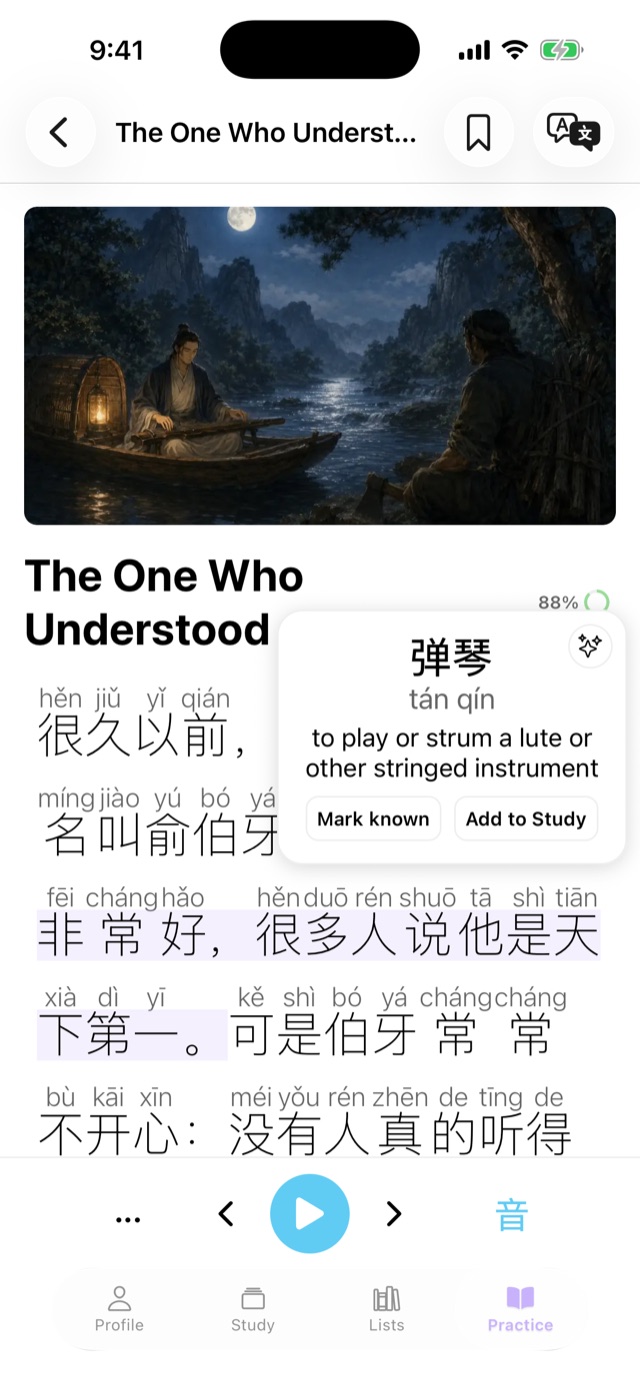
The Literate Chinese app reading a story with pinyin and tap-to-define

Also useful: All free HSK 4 stories · Not sure of your level? Take the 2-minute character test · All reading comprehension levels · For teachers

Try reading your first story

The fastest way to make characters stick is to meet them in a story you can actually finish. Literate Chinese has 1,000+ graded stories matched to the words you know — in Mainland or Taiwan Mandarin, Simplified or Traditional. Free on iOS and Android.

Download on the App Store Get it on Google Play

Prefer the browser? Read a free story on the web →