
HSK 4 Stories: 48 Free Short Stories with Pinyin & English
Every free story on this site at an estimated HSK 4 level (HSK 3.0): HSK 4 reading practice sorted easiest first and grouped by theme. Three are readable right on this page. Each one has pinyin, sentence translations, tap-to-look-up and a Simplified/Traditional switch, with no sign-up.
- 48free stories
- 1,994words through HSK 4
- 1,096characters through HSK 4
- 261characters in a typical story
繁 Prefer Traditional characters? Read this level in Traditional, with zhuyinTest yourself: HSK 4 reading comprehension
What HSK 4 reading looks like
HSK 4 adds abstract and written-register language: 既然, 不管…都, 连…都, 只要…就, 尽管, 对…来说, and plenty of two-character nouns for ideas rather than things. Stories carry arguments, explanations and longer arcs, and nonfiction appears: biographies of historical figures, business stories and summaries of popular books.
- 1,994 words / 1,096 characters: everything in the 2026 HSK 3.0 lists through HSK 4.
- 261 characters in a typical story here (65–509), with sentences averaging 16.8 characters.
- 90% of the characters in these stories are among those 1,096 HSK 1–4 characters. Any word with an unfamiliar character is one tap away from its meaning.
- 1,255 different characters appear across all 48 stories, 11,711 characters of reading in total.
New to this level, or not sure you're at it? Try the intermediate picks (series and nonfiction worth reading next), or take the 2-minute character test to see where you are.
Read 3 HSK 4 stories right now
Start with pinyin off and switch it on only if you get stuck. Tap any word for its meaning; turn on Translation to check yourself, then answer the quiz under each story. Your settings carry over to every story.

1Finding Inspiration (Part 1)
Lifestyle influencer Lin Mi looks for inspiration for her next video.
林米是一位生活类网红,她每天都要想新的内容,让观众觉得有趣,也让自己保持动力。Lin Mi is a lifestyle influencer. Every day she has to think of new content that keeps her audience interested and keeps herself motivated.今天早上,她坐在厨房,看着手机上的留言,想从大家的要求中找到灵感。This morning, she sat in the kitchen and looked at the comments on her phone, hoping to find inspiration from her followers' requests.
有人想看她做早餐,有人想看她分享穿搭,还有人想听她讲生活小故事。Some want to see her make breakfast; some want her to share outfits; others want to hear short daily stories.她笑着说:“大家的点子很多,但我今天只想做一个轻松的影片。”She laughed and said, "Everyone has so many ideas, but today I just want to make something relaxing."
想了好一会儿,她决定拍一部关于“如何开始美好早晨”的短片。After thinking for a while, she decided to film a short video about "how to start a good morning."她拿起手机走到窗边,看着温暖的阳光,心里觉得今天一定会是好日子。She picked up her phone and walked to the window. Seeing the warm sunlight, she felt it would be a good day.
她说:“先从一杯热茶开始吧,这样大家一定会喜欢。”She said, "Let's start with a cup of hot tea. Everyone will like that."
Check your understanding
林米每天为什么要想新的内容?
今天早上,林米坐在厨房做什么?
林米决定今天拍什么样的短片?
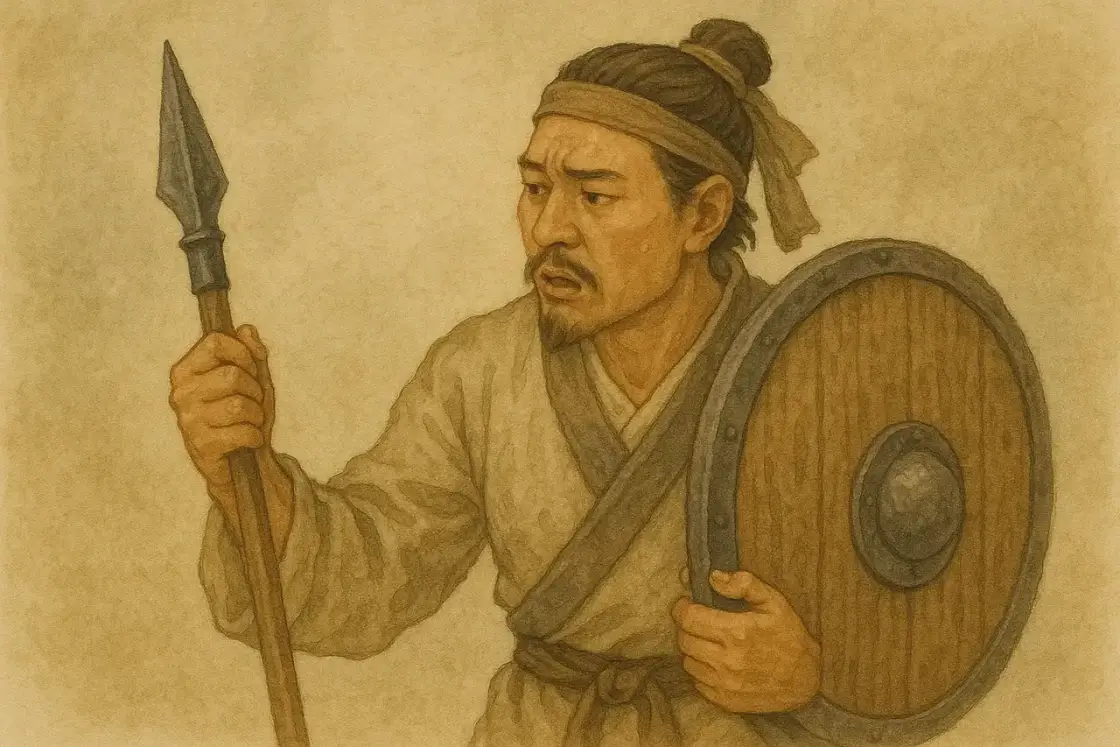
2The Shield and the Spear
Story behind the idiom: 自相矛盾 - self-contradictory spear and shield
很久以前,在中国有一位卖武器的商人。A long time ago, in China, there was a merchant who sold weapons.有一天,他在市场里卖东西。One day, he was selling things in the market.
他拿起一面大盾牌,大声对大家说:「大家快来看!我的盾牌是世界上最坚固的,什么东西都刺不穿它!」He picked up a large shield and loudly said to everyone: "Everyone, come quickly and see! My shield is the strongest in the world; nothing can pierce it!"
接着,他又举起一支长矛,得意地说:「大家再来看!我的长矛是世界上最锋利的,不管什么东西它都能刺穿!」Then, he proudly raised a spear and said: "Everyone, look again! My spear is the sharpest in the world; it can pierce anything!"
人群中有人觉得奇怪,就问他:「如果你用你最锋利的长矛去刺你最坚固的盾牌,会发生什么事呢?」Someone in the crowd found it strange and asked him: "If you use your sharpest spear to pierce your strongest shield, what would happen?"
这位商人听了以后,不知道怎么回答,因为他的两句话不可能同时成立。After hearing this, the merchant didn't know how to respond, because his two statements could not both be true at the same time.
他尴尬得说不出话来。He became speechless with embarrassment.
今天,人们用成语「自相矛盾」来形容一个人说的话或做的事前后矛盾,自己跟自己冲突。Today, people use the idiom "self-contradictory spear and shield" to describe someone whose words or actions are inconsistent, conflicting with themselves.
例如,小美常跟朋友说:「我最近要好好省钱。」可是她却一直买很贵的衣服和包包。For example, Xiaomei often says to her friends: "I recently want to save money." But she keeps buying expensive clothes and bags.这就是「自相矛盾」,因为她说的和做的完全不一样。This is "self-contradictory spear and shield," because what she says and what she does are completely different.
Check your understanding
商人说他的盾牌和长矛怎么样?
为什么商人说不出话来?
下面哪件事是“自相矛盾”?

3Sima Qian: His Father's Last Wish (Part 1)
A historian's son roams the empire collecting old stories, then makes a deathbed promise that will cost him everything.
两千多年前,中国是汉朝的天下。More than two thousand years ago, China was ruled by the Han dynasty.在皇帝的朝廷里,有一位专门记录历史的史官,他的儿子叫司马迁。At the emperor's court there was an official whose job was to record history, and his son was named Sima Qian.
司马迁小时候在黄河边长大,一边放羊,一边读书。Sima Qian grew up by the Yellow River, tending sheep and studying at the same time.父亲常常对他说:“历史不能忘,一定要有人把它记下来。”His father often told him: "History must not be forgotten — someone has to write it down."
二十岁那年,司马迁离开家,开始了一次很长的旅行。The year he turned twenty, Sima Qian left home and set out on a very long journey.他去了很多地方,收集古时候的故事,听老人们讲过去的英雄。He went to many places, collecting stories from ancient times and listening to old people tell of the heroes of the past.他到过孔子的家乡,也去过屈原跳江的地方。He visited the hometown of Confucius, and the place where Qu Yuan leapt into the river.
几年后,他回到朝廷,成了一名官员。A few years later, he returned to the court and became an official.可是有一天,坏消息传来了:父亲病得很重。But one day, bad news arrived: his father was gravely ill.
司马迁赶到父亲床前,父亲拉着他的手,哭着说:“我们家世世代代都是史官。”Sima Qian rushed to his father's bedside. His father took his hand and said, weeping: "For generation after generation, our family have been historians."“我一直想写一部完整的中国历史,可是我写不完了。”"I have always wanted to write a complete history of China, but I will never finish it now."“孩子,答应我,把这部史书写完。”"My child, promise me — finish this history."
司马迁低下头,流着眼泪说:“父亲,我一定完成您的心愿。”Sima Qian bowed his head and said through his tears: "Father, I will fulfill your wish."
三年后,司马迁成了汉武帝的史官,开始写那部伟大的书——《史记》。Three years later, Sima Qian became Emperor Wu of Han's historian and began writing that great book — the Records of the Grand Historian.他白天在朝廷工作,晚上就在灯下,一个字一个字地写。By day he worked at court; by night, under the lamp, he wrote character by character.他不知道,一场可怕的灾难正在向他走来。He did not know that a terrible disaster was coming toward him.
Check your understanding
司马迁二十岁的时候做了什么?
父亲死前,让司马迁答应什么?
司马迁晚上做什么?
Open “Sima Qian: His Father's Last Wish (Part 1)” on its own page →
How to practice reading at HSK 4
- Read in volume. At HSK 4, ten easy stories beat one hard one.
- When you meet a formal word (例如 进行, 获得, 影响), say what it would be in casual speech. It builds both registers at once.
- Pick nonfiction on a topic you already know in English — background knowledge does half the work.
- Switch to traditional characters for a week now and then. It's the cheapest way to make your recognition more robust.
Grammar you will practice here
Patterns from our Chinese grammar guide that have a story on this page built around them:
- 连 + X + 都/也 + VerbEven: 连…都/也practiced in The Princess and the Pea
- 只要 A,就 B / 只有 A,才 BConditions: 只要…就 vs 只有…才practiced in Yu Gong Moves the Mountains
- 不管 / 无论 + Question form + 都/也No matter: 不管/无论…都practiced in The Shield and the Spear
- 即使 A,也 BEven if: 即使…也practiced in The Lion and the Mouse
- Subj. + 却 + VerbBut/yet with 却practiced in The Little Mermaid
- A,要不然 / 否则 + BOtherwise: 要不然 and 否则practiced in Give Up Halfway
- Subj. + 既 + A + 又 + BBoth … and: 既…又…practiced in Cao Cao and the Plum Trees
- 不是 A,而是 BNot X but Y: 不是…而是…practiced in Fox Borrows Tiger's Might
All 48 HSK 4 stories
Start with these 5
The five gentlest HSK 4 stories on this page that stand on their own, shortest and easiest first, each with a picture and a quick quiz.
- 1
 Lil Jon Takes the BusThe bus driver only needs to see Lil Jon's ticket. Lil Jon only needs to hear the question.
- 2Lil Jon Prepares for BedIt's bedtime, and Mom just wants to know if Lil Jon brushed his teeth. Lil Jon has some news about those…
- 3
 A New Route Begins (Part 1)A Qiang's Route: a bus driver's first morning on a new line.
- 4
 Finding a WayXiao Guo sent the wrong file, and the boss knows it. Can he fix it before the client notices?
- 5
 Morning Orders (Part 1)One Day in the City: delivery driver Chen Ming's ordinary morning crosses paths with a nurse, an influencer…
Grouped by theme and sorted from easiest to hardest within each group (by length and word difficulty). Parts of a series stay together and in order. Reading times are rough estimates at a comfortable HSK 4 pace.
Grammar in Context 3 stories
 A New Beginning (Part 1)早上六点,小农来到自己的小农场。他看…
- A Small Farm Problem (Part 2)下午,小农去看他昨天种下的种子。他蹲…
- A New Route Begins (Part 1)早上六点,阿强来到车站。今天是新的路…
Daily Life & Work 11 stories
- Lil Jon Gets Ready for the Day小约翰的闹钟响得很大声。他迅速坐起身…
- Lil Jon Takes the Bus在公交车站,司机问:“您有票吗,先生…
- Lil Jon Orders Lunch在麦当劳,收银员问:“你要点餐吗…
- Lil Jon Records a Song在录音室里,朋友问:“小约翰,你准备…
- Lil Jon Goes to the Gym在健身房,教练问:“你准备好锻炼了吗…
- Lil Jon Prepares for Bed晚上,妈妈问:你刷牙了吗,小约翰?小…
 The Breakfast Rush (Part 2)早上最忙的是早餐时间。有客人点面条…
- Finding Inspiration (Part 1)林米是一位生活类网红,她每天都要想新…
- The Morning Video (Part 2)林米准备开始拍“美好早晨”的影片,她…
- Morning Orders (Part 1)早上七点,陈明穿上黄色外套,戴上安全…
- Fire in the Kitchen (Part 2)中午十二点,张师傅的餐厅很热闹。他一…
AP Chinese Themes 4 stories
 The Model Has a Problem (Part 2)下午,李明的模型终于跑完了,可是结果…
 Pictures vs. Reality (Part 2)周末之前,小林先在手机上仔细看了那三…
 Chang'e Flies to the Moon很久以前,天上突然出现十个太阳!大地…
 The Pear Seller很久以前,在一个小城的集市上,有一个…
Chinese Idioms 13 stories
- The Shield and the Spear很久以前,在中国有一位卖武器的商人…
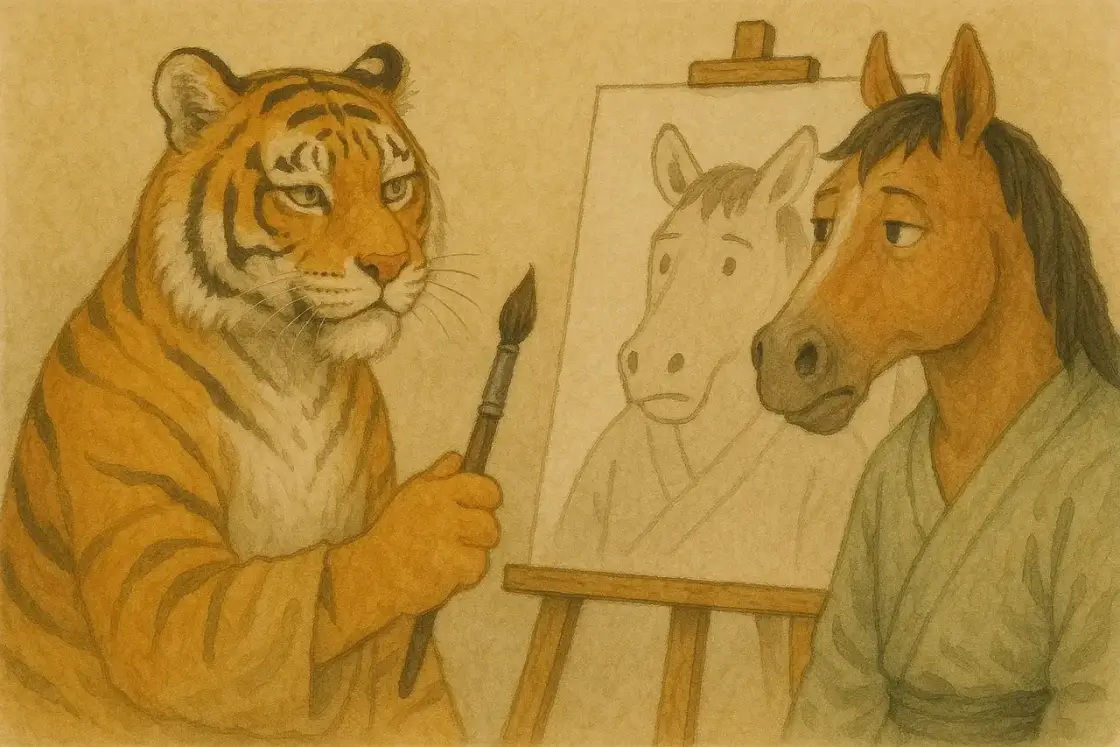 The Painter and the Horse-Tiger从前有一位画家,他擅长画动物。有一天…
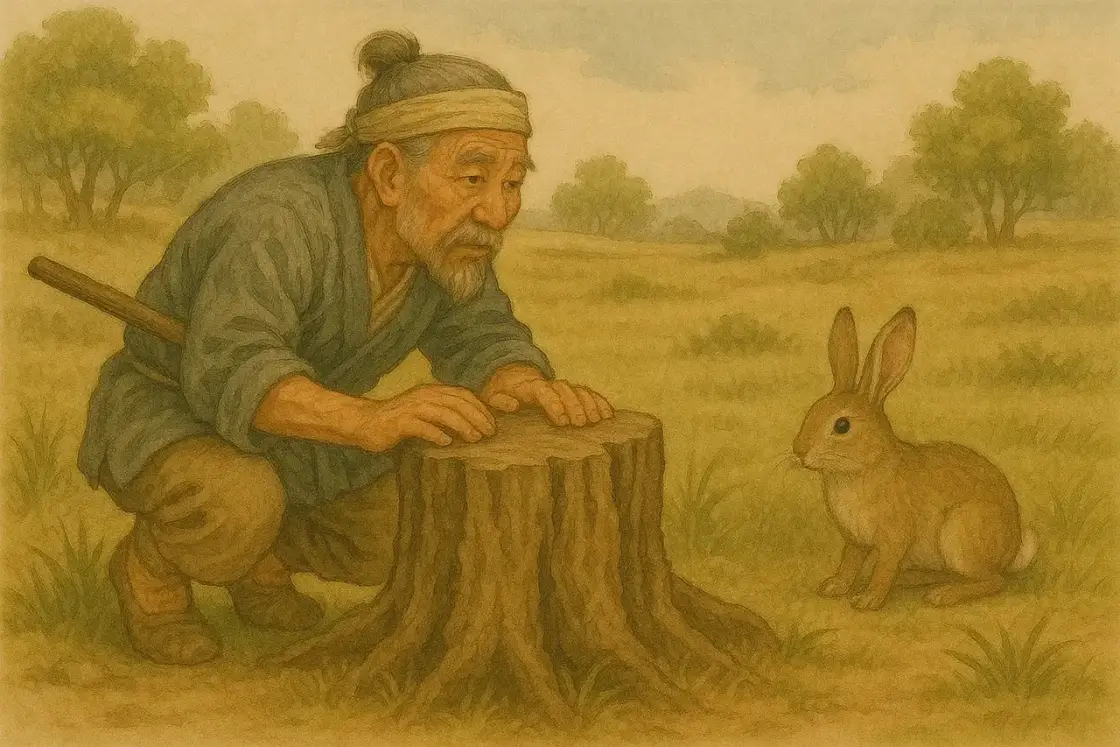 The Farmer and the Rabbit很久以前,在中国有一个农夫,他每天都…
 The Impatient Farmer从前有个农民。他每天都很着急。他希望…
 The Sky-Fearing Man of Qi很久很久以前,杞国有个人天天抬头看天…
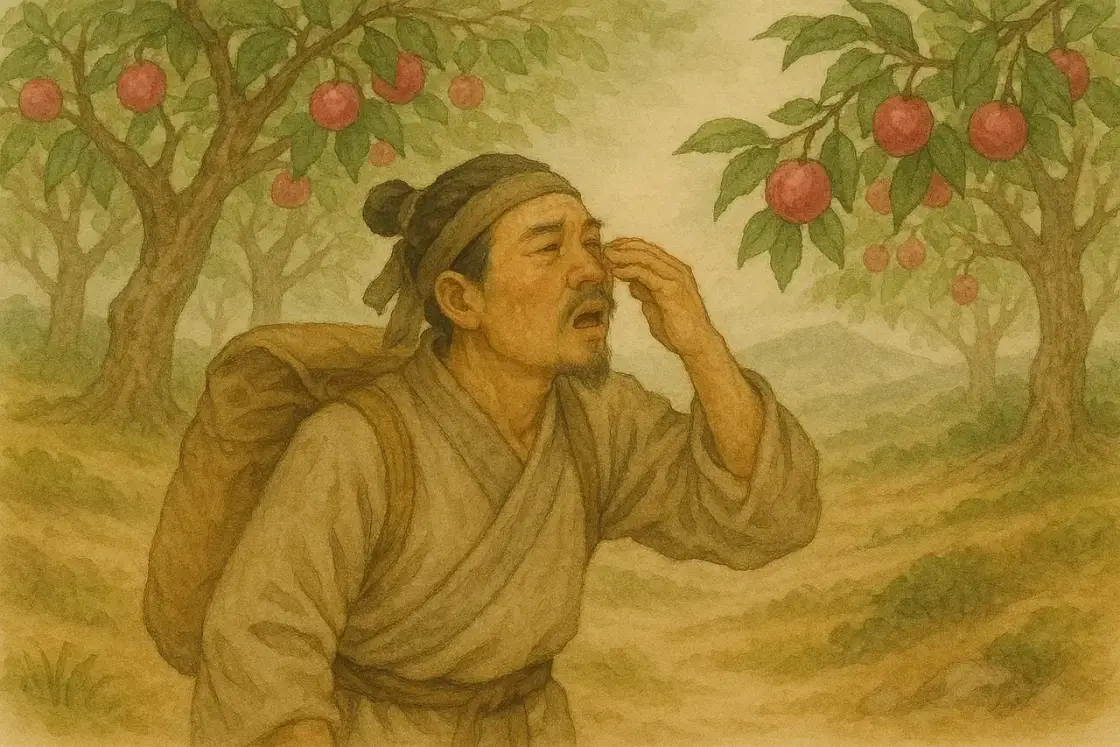 Cao Cao and the Plum Trees很久以前,在中国有一位很有名的将军曹…
 Fox Borrows Tiger's Might很久以前,在中国的一片森林里,住着一…
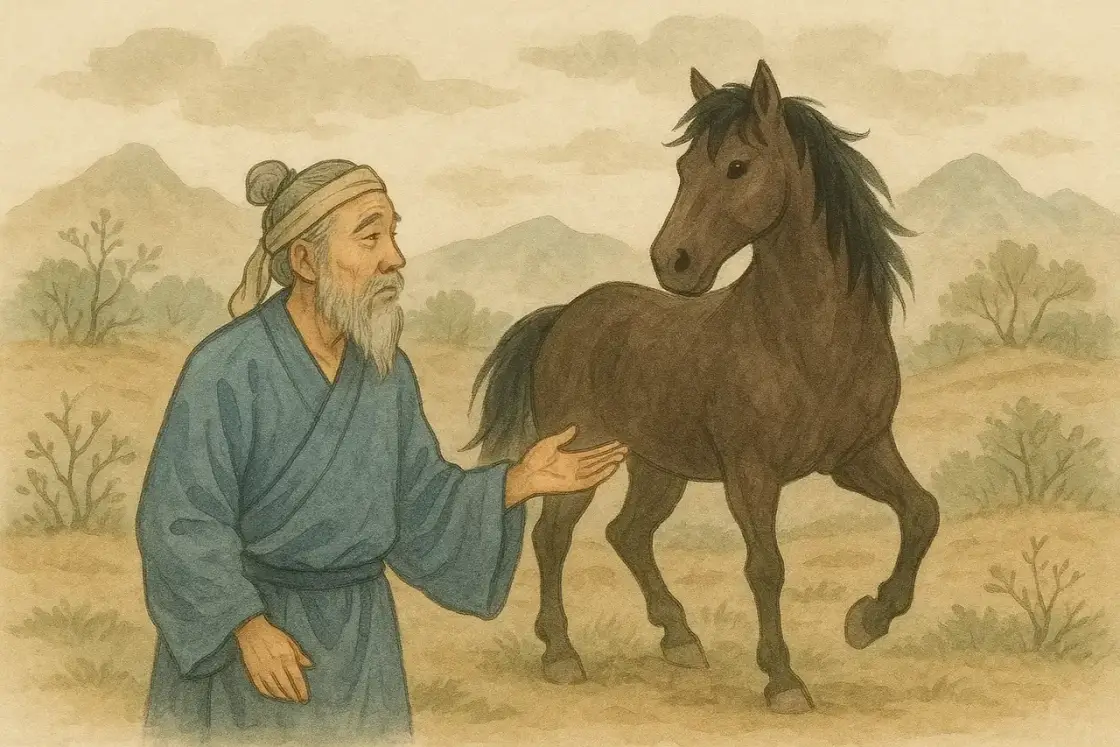 Sai Weng Loses His Horse很久以前,在中国的边境,有一个老人叫…
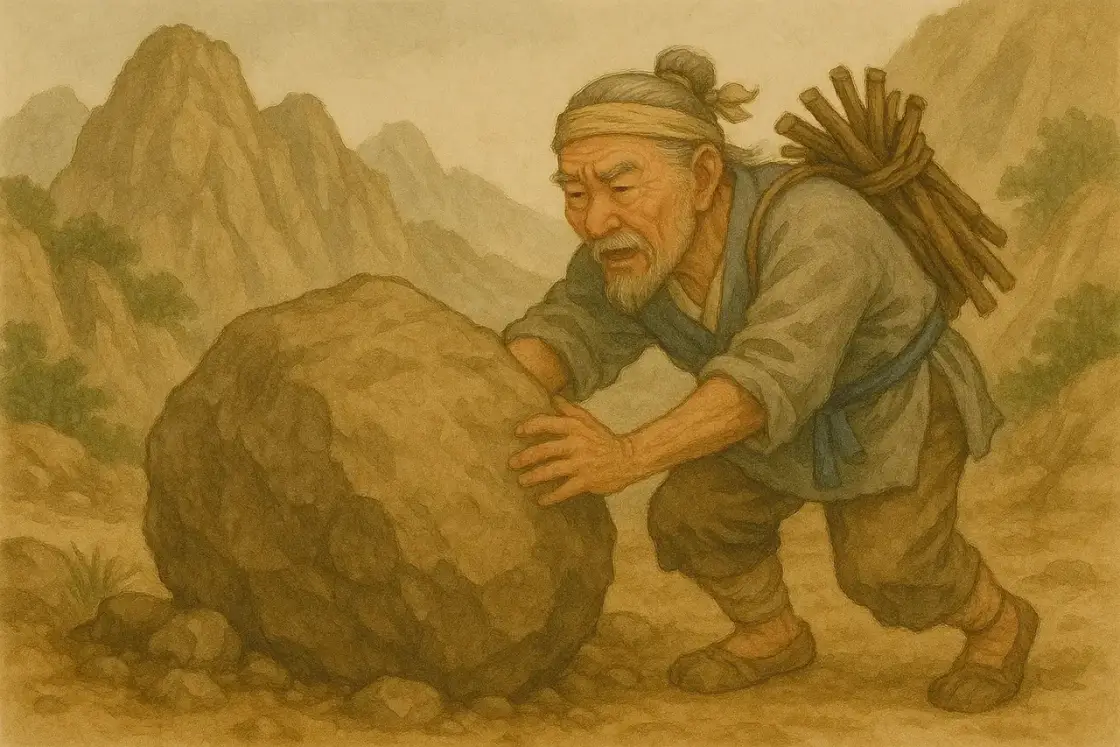 Yu Gong Moves the Mountains很久以前,在中国有一位老人,名叫愚公…
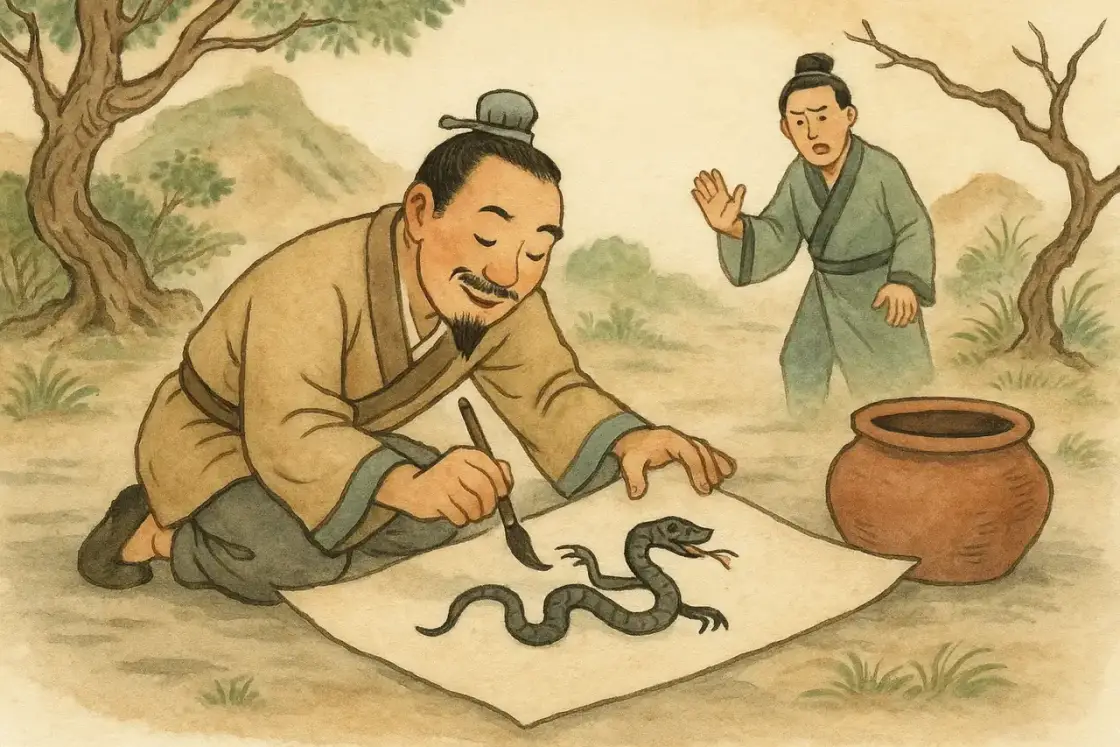 Drawing a Snake and Adding Feet很久以前,在中国有一群朋友一起喝酒聊…
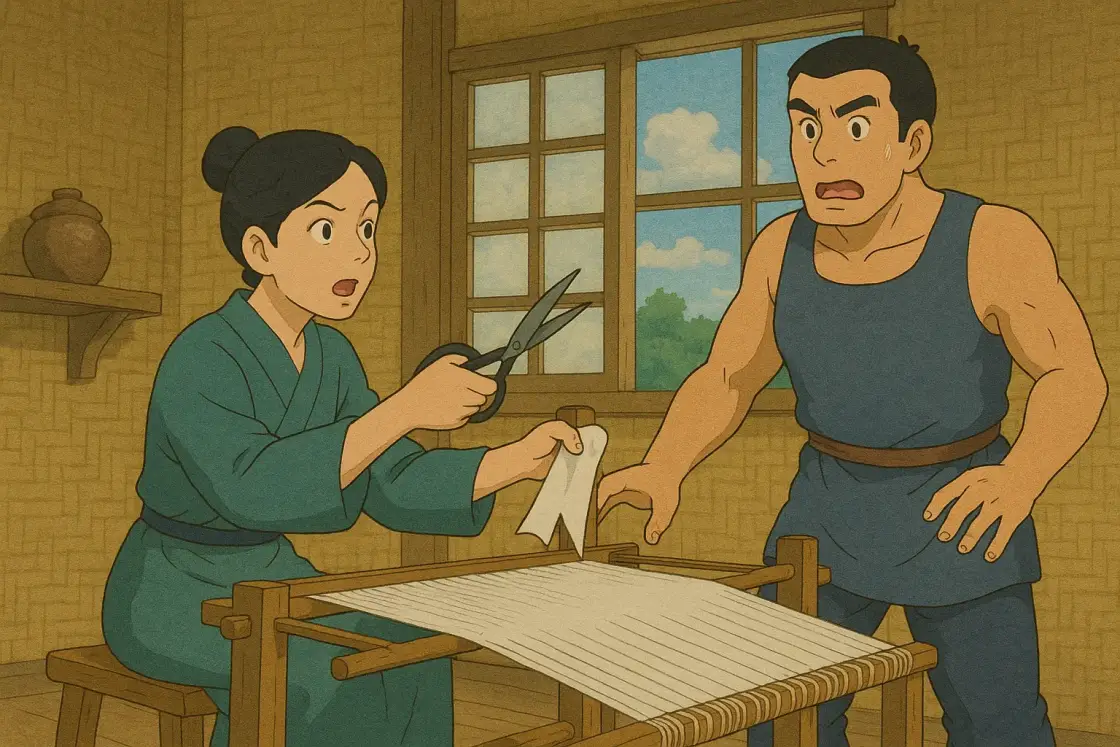 Give Up Halfway从前,有个叫乐羊子的人捡到一块金子…
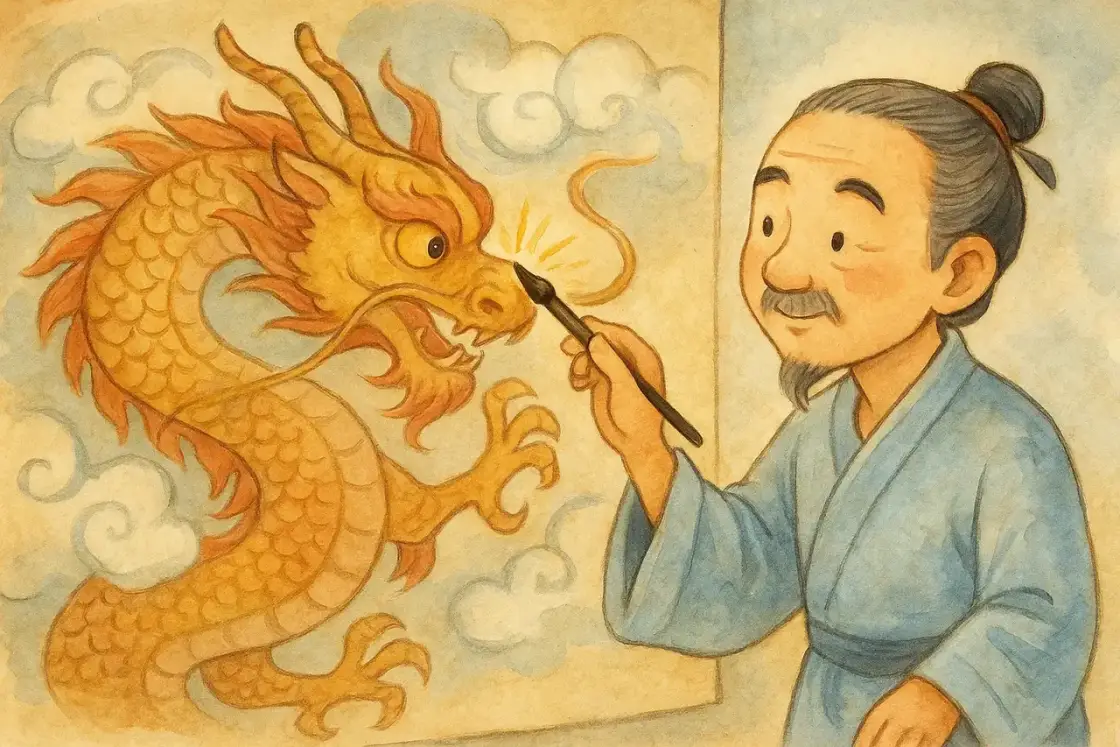 Dotting the Dragon's Eyes很久以前,南朝有一位画家,名叫张僧繇…
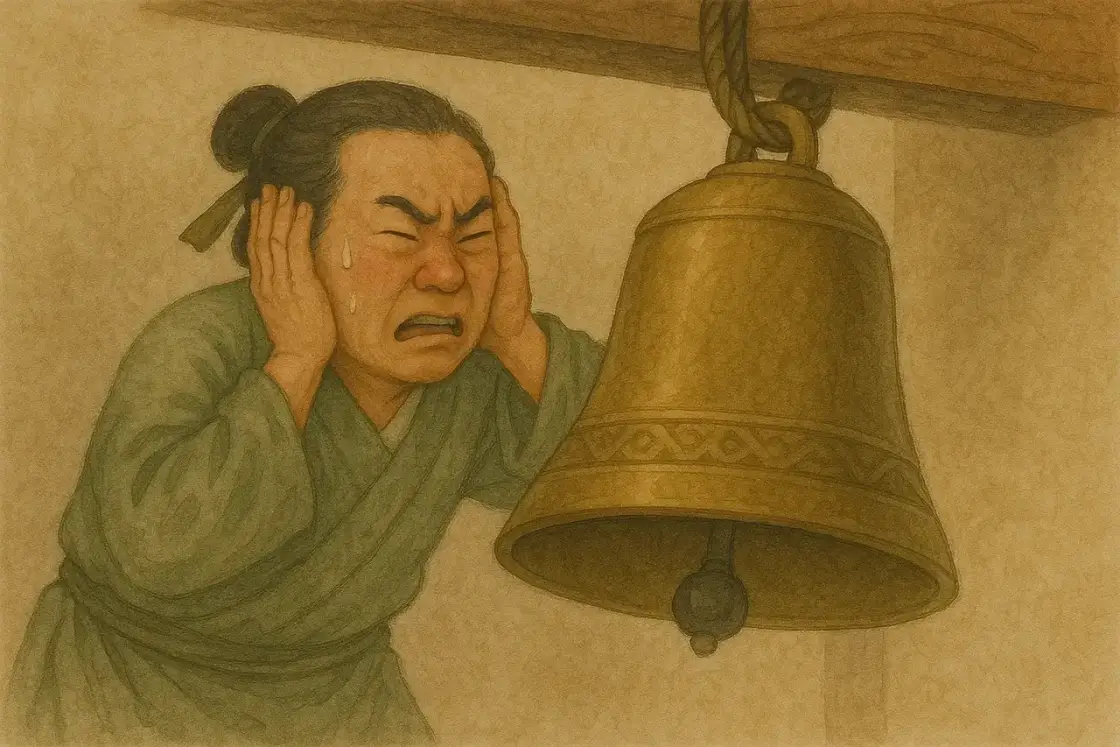 The Thief and the Bell很久以前,在中国有一个小偷。有一天…
Historical Figures 5 stories
- Sima Qian: His Father's Last Wish (Part 1)两千多年前,中国是汉朝的天下。在皇帝…
 Sun Yat-sen: The Boy Who Asked Questions (Part 1)一八六六年,孙中山出生在广东的一个小…
 Yue Fei: Four Characters on His Back (Part 1)一一零三年,岳飞出生在河南的一个农民…
 Xuanzang: Leaving Without Permission (Part 1)一千四百年前,唐朝的长安城里,住着一…
 Wu Zetian: The Girl Who Would Not Stay Quiet (Part 1)一千三百多年前的唐朝,出了一位中国历…
Classic Fables 7 stories
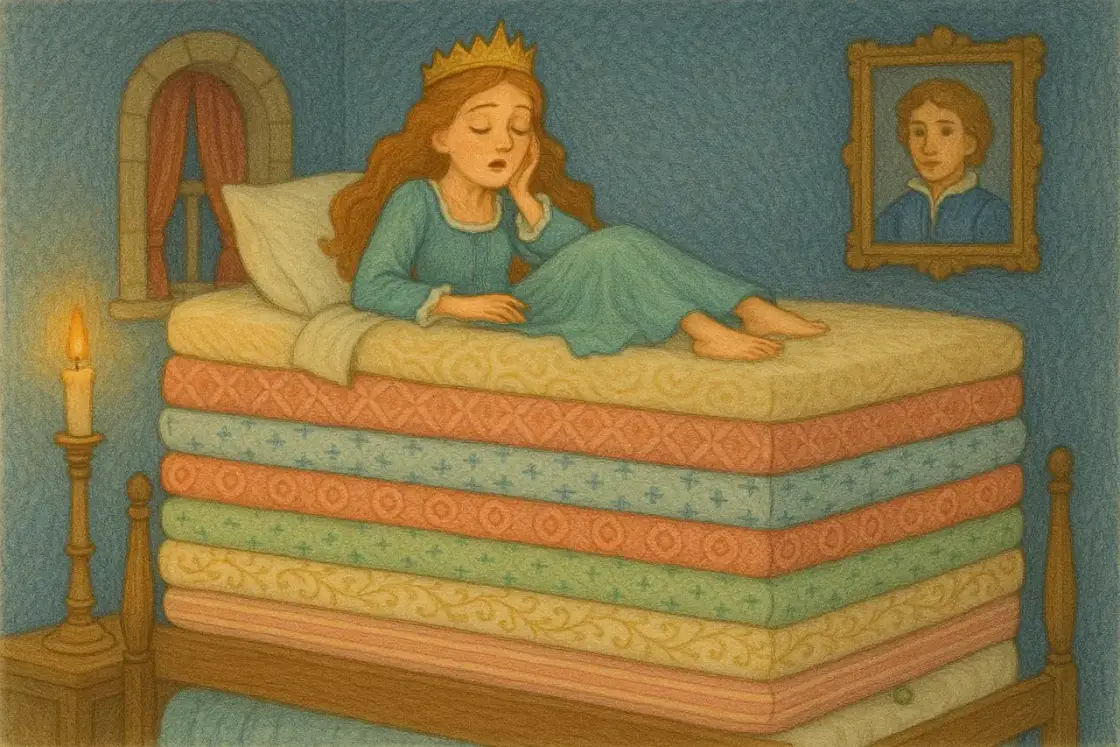 The Princess and the Pea一个下大雨的晚上,王宫门口突然传来敲…
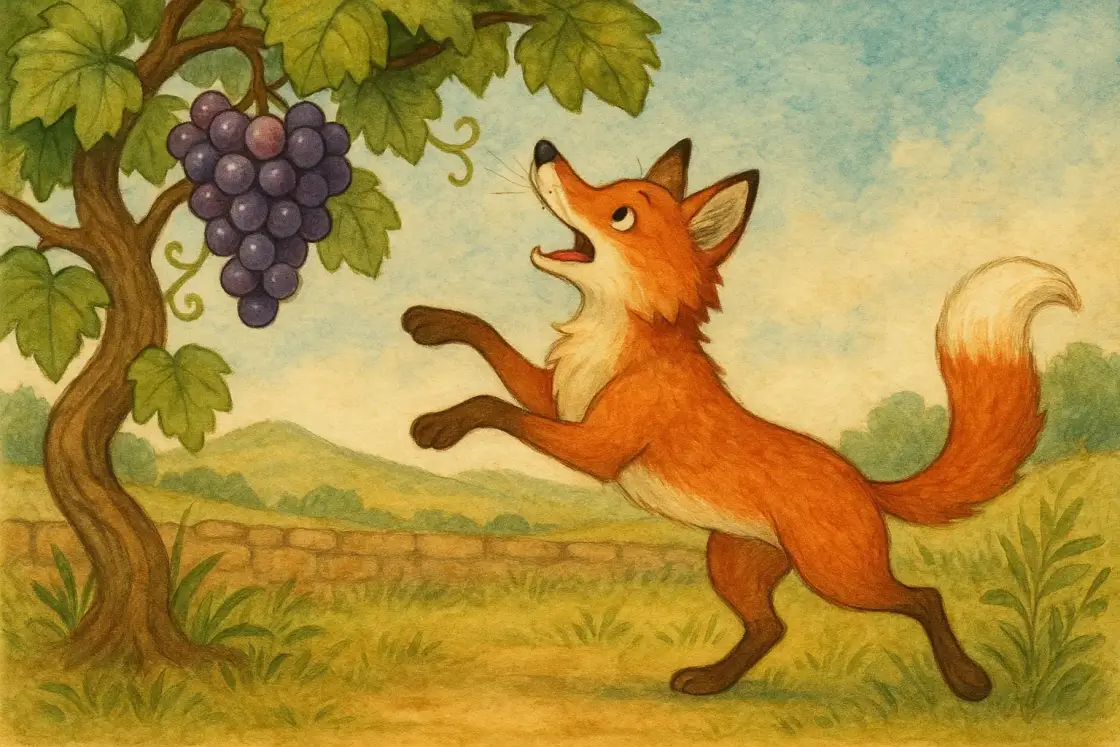 The Fox and the Grapes一个炎热的夏天,狐狸又饿又渴。它走着…
 The Lion and the Mouse有一天,一只狮子在森林里睡觉。突然…
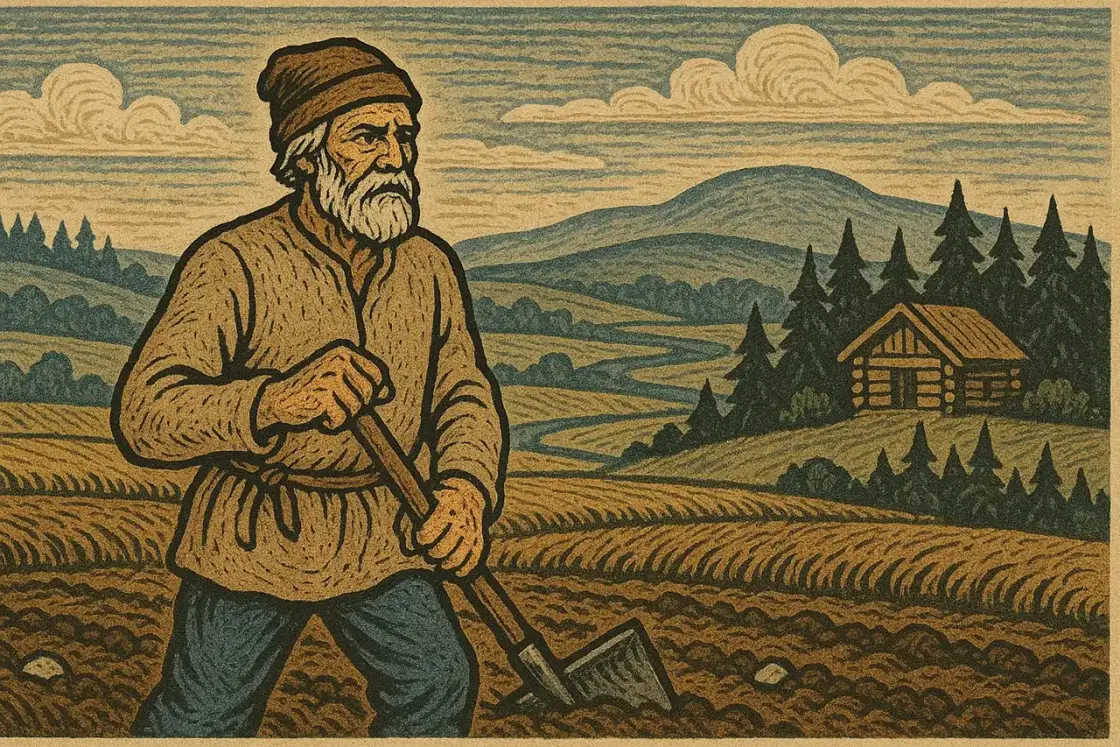 The Story of Farmer Paavo帕沃是个贫穷的农夫,他和妻子、孩子住…
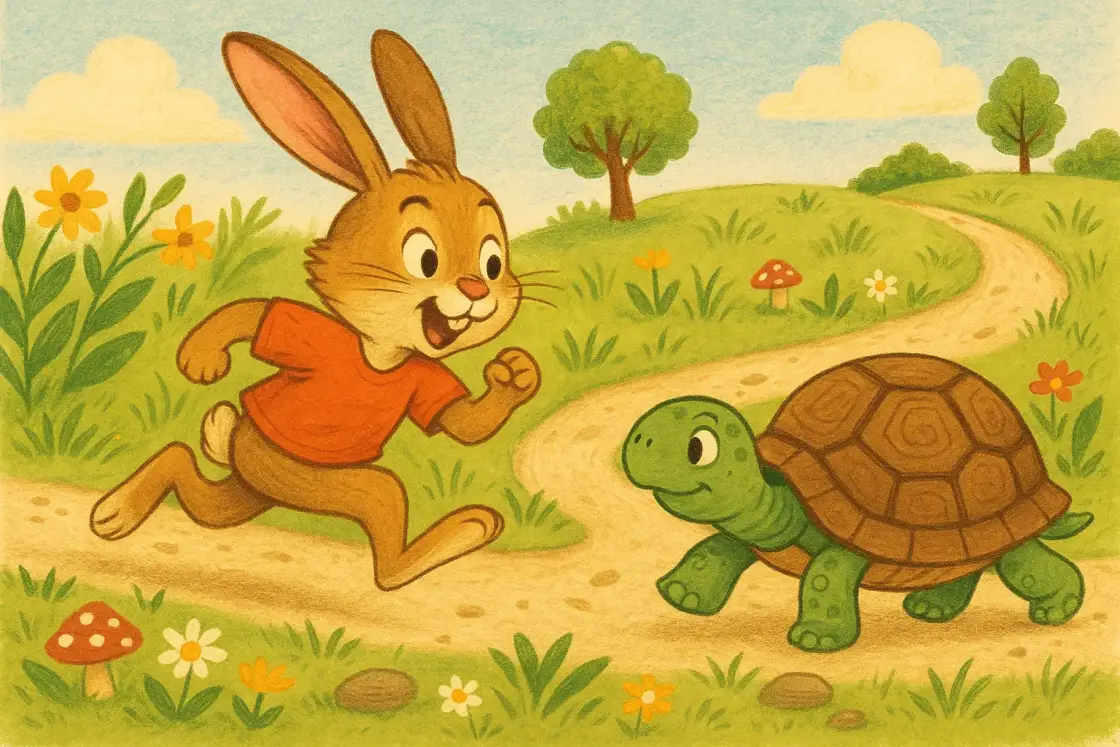 The Tortoise and the Hare从前,有一只跑得飞快的兔子,它总是骄…
 Thumbelina从前,有个女人想要个孩子,仙女送给她…
 The Little Mermaid海底住着一位小美人鱼,她最爱听祖母讲…
More Stories 5 stories


Key HSK 4 words in these stories
These are the HSK 4 words (HSK 3.0 list) that turn up most often across the stories on this page, so they are the ones worth knowing before you start — you'll see each of them again and again. Browse the full HSK 4 word list for everything else.
- 却卻quèbutin 15 of 48 stories
- 着著zháoto touchin 14 of 48 stories
- 就是jiù shìexactlyin 12 of 48 stories
- 例如lì rúfor examplein 7 of 48 stories
- 结果結果jié guǒresultin 6 of 48 stories
- 当當dāngto serve asin 6 of 48 stories
- 啊āinterjection of surprisein 5 of 48 stories
- 忽然hū ránsuddenlyin 5 of 48 stories
- 从此從此cóng cǐfrom then onin 5 of 48 stories
- 好好hǎo hǎoproperlyin 4 of 48 stories
- 也许也許yě xǔperhapsin 4 of 48 stories
- 重新chóng xīnagainin 4 of 48 stories
- 流liúto flowin 4 of 48 stories
- 美好měi hǎowonderfulin 4 of 48 stories
- 棵kēclassifier for trees and plantsin 4 of 48 stories
- 拍pāito patin 4 of 48 stories
- 森林sēn línforestin 4 of 48 stories
- 所有suǒ yǒuallin 4 of 48 stories
- 父亲父親fù qīnfatherin 4 of 48 stories
- 全quánallin 4 of 48 stories
- 土tǔearthin 3 of 48 stories
- 早晨zǎo chénearly morningin 3 of 48 stories
- 力气力氣lì qistrengthin 3 of 48 stories
- 即使jí shǐeven ifin 3 of 48 stories
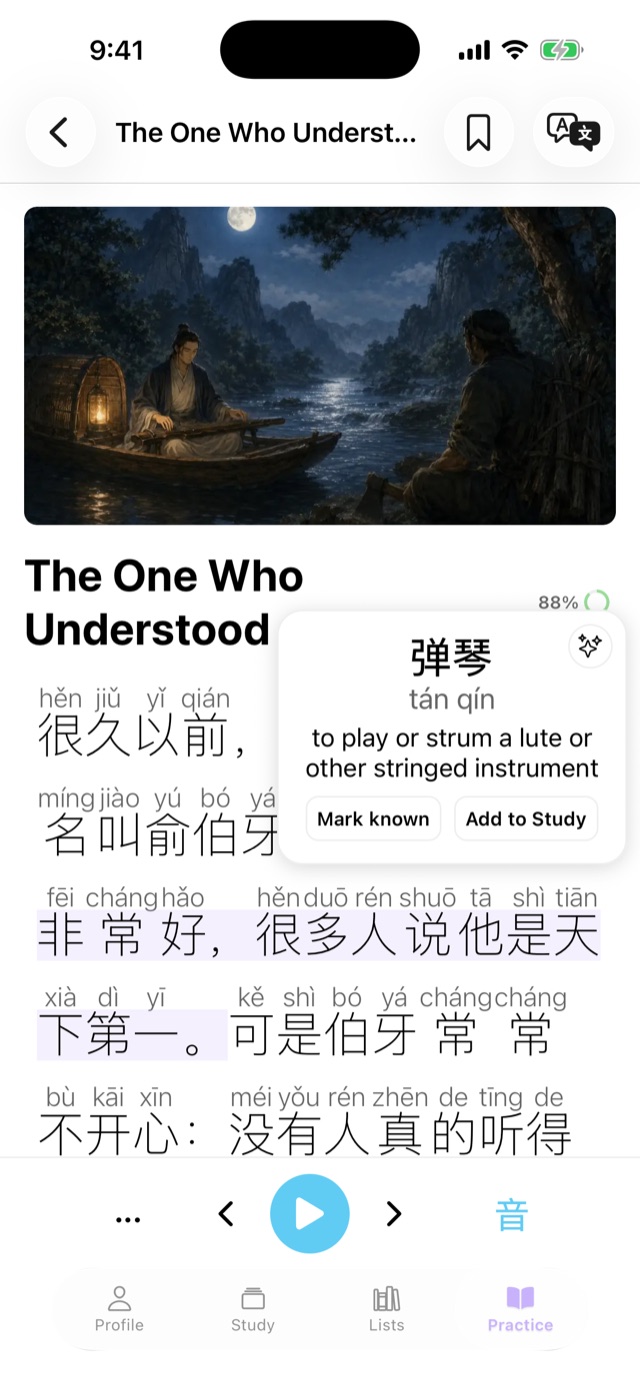
More HSK 4 stories, with audio, in the app
The Literate Chinese app has 272 more stories at this estimated level beyond the 48 here, out of 1,000+ graded stories in total. It doesn't sort them by HSK band, though: it tracks the words you actually know and shows how familiar each story is, so you can pick ones that are just hard enough.
Every story is narrated by native speakers in Mainland or Taiwan Mandarin, in Simplified or Traditional characters, and any word you tap can become a flashcard.


Frequently asked questions
How many characters do I need for HSK 4 reading?
The 2026 HSK 3.0 syllabus has 1,994 words through HSK 4, written with 1,096 different characters. You can start these stories well before you know them all: 90% of the characters in the 48 stories on this page are HSK 1–4 characters, and you can tap any word for a definition.
Is HSK 4 reading hard?
The grammar is not much harder than HSK 3; the vocabulary is. About a thousand new words arrive, many of them formal. The fix is volume: reading lots of stories where 95%+ of the words are already familiar, so the new ones are learned from context instead of from a list.
How long are HSK 4 reading passages?
The 48 stories here run from 65 to 509 characters, with a typical story of about 261 characters and sentences averaging 16.8 characters. Together they add up to 11,711 characters of reading at this level.
Can I read these stories in traditional characters?
Yes. Every story has a 简/繁 switch at the top; it changes the whole text to traditional characters and remembers your choice. There is also a Traditional version of this page, with a zhuyin option, and more on traditional reading practice.
Do the stories have audio?
In the browser you can hear any single word with your device's voice from the tap-to-define card. Full narration by native speakers, in Mainland or Taiwan Mandarin, is in the free Literate Chinese app.
Also useful: Not sure of your level? Take the 2-minute character test · HSK 4 word list · HSK 4 stories in Traditional · HSK 4 reading comprehension · All Chinese reading practice