
HSK 3 Reading Practice: 129 Free Chinese Stories
Every free story on this site at an estimated HSK 3 level (HSK 3.0), sorted easiest first and grouped by theme. Each one has pinyin, sentence translations, tap-to-look-up and a Simplified/Traditional switch — no sign-up.
- 129free stories
- 997words through HSK 3
- 655characters through HSK 3
- 136characters in a typical story
What HSK 3 reading looks like
HSK 3 is where connected narrative arrives: 因为…所以, 虽然…但是, 如果…就, 把 and 被 sentences, result and direction complements (听懂, 拿出来, 找到), and 是…的 for details about the past. Stories are paragraphs rather than lines, and topics widen to school and work, culture, idiom stories (成语故事) and short biographies.
- 997 words / 655 characters — everything in the 2026 HSK 3.0 lists through HSK 3.
- 136 characters in a typical story here (77–514), with sentences averaging 14.9 characters.
- 91% of the characters in these stories are among those 655 HSK 1–3 characters. Any word with an unfamiliar character is one tap away from its meaning.
- 1,231 different characters appear across all 129 stories — 25,029 characters of reading in total.
New to this level, or not sure you're at it? Try the intermediate picks (series and nonfiction worth reading next), or take the 2-minute character test to see where you are.
Read an HSK 3 story right now
Start with pinyin off and switch it on only if you get stuck. Tap any word for its meaning; turn on Translation to check yourself. Your settings carry over to every story.
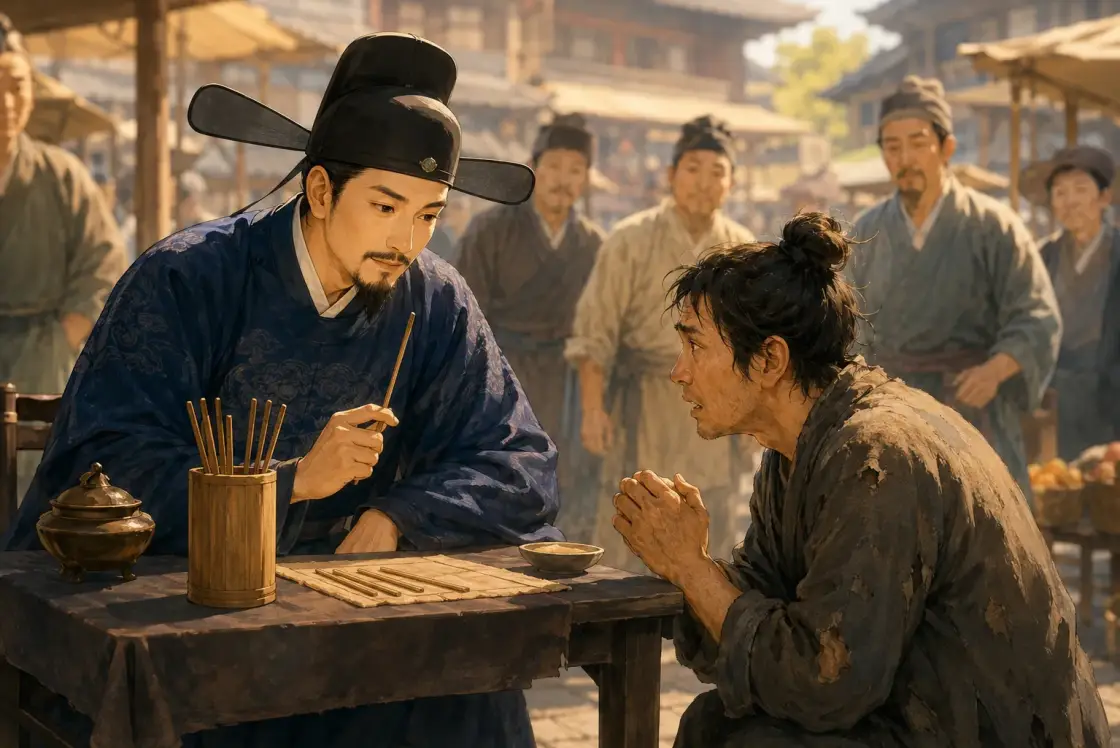
明朝的时候,城里住着一个卖肉的人,叫刘贵。In the Ming dynasty, there lived in the city a meat seller named Liu Gui.他的生意越来越差,家里快没有钱了。His business was getting worse and worse, and the family was almost out of money.他的妻子二姐很年轻,每天在家等他回来。His wife Erjie was very young, and every day she waited at home for him to come back.
一天,刘贵去亲戚家借钱,想重新开他的肉店。One day, Liu Gui went to a relative's house to borrow money, hoping to reopen his meat shop.亲戚借给他十五串铜钱,说:“好好做生意,别喝酒。”The relative lent him fifteen strings of copper coins and said, “Run your business well, and stay away from wine.”可是回家的路上,刘贵还是和朋友喝了几杯酒。But on the way home, Liu Gui still drank a few cups of wine with a friend.
晚上回到家,他有点醉,想跟二姐开个玩笑。When he got home that night, a little drunk, he decided to play a joke on Erjie.二姐问:“这么多钱,是从哪里来的?”Erjie asked, “Where did all this money come from?”刘贵笑着说:“这些钱,是我把你卖了换来的。”Liu Gui said with a laugh, “This money? I got it by selling you.”“明天那家人就来接你。”他说完就睡着了。“Tomorrow that family will come to take you away.” And with that, he fell asleep.
二姐以为是真的,坐在床边哭了很久。Erjie believed it was true and sat by the bed crying for a long time.她想:“他真的把我卖了,我要回父母家去。”She thought, “He really sold me. I must go back to my parents' house.”半夜,她轻轻地打开门,走进黑黑的夜里。In the middle of the night, she quietly opened the door and walked out into the darkness.她走得太急,忘了关门。She left in such a hurry that she forgot to close the door.
那天晚上,一个叫阿鼠的小个子男人正好走过。That same night, a small man called Ah Shu happened to pass by.他赌钱输光了,看见门开着,就悄悄走了进去。He had gambled away everything, and when he saw the open door, he slipped quietly inside.他在桌子上看见十五串铜钱,高兴极了。On the table he saw the fifteen strings of copper coins, and his heart leapt.就在这个时候,床上的刘贵醒了。At that very moment, Liu Gui woke up in his bed.
第二天早上,邻居发现刘贵死了,钱也不见了。The next morning, the neighbors found Liu Gui dead, and the money was gone.大家都说:“一定是他的妻子拿了钱,半夜跑了!”Everyone said, “It must be his wife! She took the money and ran off in the night!”这时,二姐正走在回父母家的路上。At that moment, Erjie was walking along the road back to her parents' home.
路上她遇到一个卖丝绸的年轻人,叫崔明。On the road she met a young silk trader named Cui Ming.崔明人很好,说:“我们同路,一起走吧。”Cui Ming was kind and said, “We're going the same way — let's walk together.”谁也没想到,崔明身上正好有十五串铜钱。No one could have guessed that Cui Ming was carrying exactly fifteen strings of copper coins.
那是他卖丝绸换来的钱,一串也不多,一串也不少。It was the money from selling his silk — not one string more, not one string less.中午,几个士兵追了上来,把他们两个人抓住了。At noon, soldiers caught up with them and arrested them both.大家都觉得自己知道答案,只有真相没有人知道。Everyone felt sure they knew the answer — only the truth remained unknown.
Check your understanding
刘贵为什么借十五串铜钱?
二姐为什么半夜离开家?
士兵为什么抓住二姐和崔明?
How to practise reading at HSK 3
- Read without pinyin by default now. Use it as a rescue, not a habit.
- Watch for connectors (因为, 但是, 所以, 然后). They are the skeleton of every paragraph at this level.
- Mix intensive and extensive reading: one story studied closely, two read quickly for the gist.
- Time yourself once a week. Reading speed is the clearest sign of progress at HSK 3–4.
Grammar you will practise here
Patterns from our Chinese grammar guide that have a story on this page built around them:
- Subj. + 把 + Obj. + Verb + …把 sentencespractised in The Big Move (Part 2)
- Verb + 着Ongoing states with 着practised in A New Morning
- 又 + Verb + 了 / 再 + VerbAgain: 又 vs 再practised in The Careless Security Guard (Part 1)
- Subj. + 一 + Verb A,(Subj.) + 就 + Verb BAs soon as: 一…就…practised in An Evening Alone
- 越来越 + Adj. / 越 A 越 BMore and more: 越来越practised in In the Fields (Part 2)
- Subj. + 先 + Verb A,然后 / 再 + Verb BFirst … then: 先…然后/再…practised in Making dinner
- Clause + 的时候 / 以前 / 以后When: …的时候practised in Cleaning the room
- 如果 A,(Subj. +) 就 BIf … then: 如果…就…practised in The Sailor's Advice
All 129 HSK 3 stories
Grouped by theme and sorted from easiest to hardest within each group (by length and word difficulty). Parts of a series stay together and in order. Reading times are rough estimates at a comfortable HSK 3 pace.
Survival Chinese 5 stories
 Taking a Taxi (Part 1)李明要去火车站,时间不多了。他在路边…
- The Phone in the Taxi (Part 2)李明上了火车,找到自己的座位。他想给…
 Asking for Directions (Part 1)小美第一次来这个城市,找不到博物馆…
- The Famous Noodle Shop (Part 2)从博物馆出来,小美饿了。听说附近有一…
 Shopping and Bargaining (Part 1)周末,小美去逛市场。她看到一条很漂亮…
Grammar in Context 25 stories
 A New Morning at the Bakery (Part 1)早上七点,安安打开面包店的灯。店里香…
- The Customer Who Came Back (Part 2)第二天一早,安安正在烤面包。空气很香…
 The Child Who Forgot His Lunch (Part 2)路上更多乘客上车了。学生、上班族、奶…
 Morning Feeding Time (Part 1)早上七点,小慧走进动物园。她今天很早…
- The Missing Little Lamb (Part 2)中午前,小慧发现一只小羊不见了。她不…
 One Rainy Day (Part 1)今天早上下起了大雨,一直下到下午。一…
 The Challenge (Part 1)老张和老王是邻居,也是好朋友。老张说…
- Getting Ready (Part 2)星期五,两个人都去买菜。老张起得比老…
 A Rainy Saturday (Part 1)星期六早上,我和姐姐打算去公园玩。可…
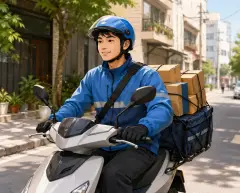 The First Package of the Day (Part 1)早上八点,小东来到公司。今天的包裹很…
- A Lost Afternoon (Part 2)送完第一单后,小东接到新的地址。他看…
 Old Place or New Place? (Part 1)我和朋友想找一家饭馆吃晚饭,可是我们…
 The Heavy Backpack (Part 1)明天我要跟朋友去山里玩,只去一天,晚…
 Packing Up (Part 1)小林和小雨要搬家了。他们把书从书架上…
- The Big Move (Part 2)早上八点,搬家的工人们来了。工人们把…
 The Amazing Classmate (Part 1)我的朋友是我们班最厉害的人。她不但学…
 The Phone Call (Part 1)昨天晚上,我给一个好朋友打电话,本来…
 The Picnic That Almost Wasn't (Part 1)这个周末,我们全家想去湖边野餐。爸爸…
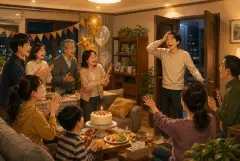 A Day of Small Mysteries (Part 1)今天早上一到公司,我就觉得很奇怪。办…
 The One-Minute Decision (Part 1)我的朋友最近想养一只猫,可是她一直下…
 A Day of Near Misses (Part 1)今天真是奇怪的一天,好几件事都差点出…
 A Week Before Payday (Part 1)这个月我买东西买得太多,离发工资还有…
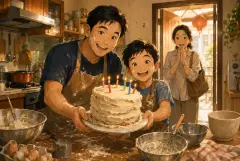 Mom's Birthday Surprise (Part 1)今天是妈妈的生日,我和爸爸想给她一个…
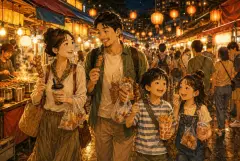 Hard to Stop (Part 1)我发现自己有一个问题:很多事情一旦开…
 The Cat's Conditions (Part 1)我们家的猫脾气很大,做什么事都有自己…
Daily Life & Work 34 stories
 Morning Subway小郭每天早上七点起床。他在公司上班…
- After Arriving at the Office小郭八点半到了公司。他全身都是汗,也…
- The Email Mistake早会结束后,小郭回到座位。他打开电脑…
- Afternoon Mood午饭后,小郭一个人坐在办公室。外面的…
- An Evening Alone下班以后,小郭回到家。他一进门,就脱…
- A New Morning第二天早上,小郭起得很早。他做了早饭…
- The Boss’ Praise小郭一到公司,就开始工作。他先检查邮…
- A New Beginning周五早上,天气很好。小郭走在去公司的…
 Lil Jon Orders Coffee在咖啡店,咖啡师问:“您的咖啡要加牛…
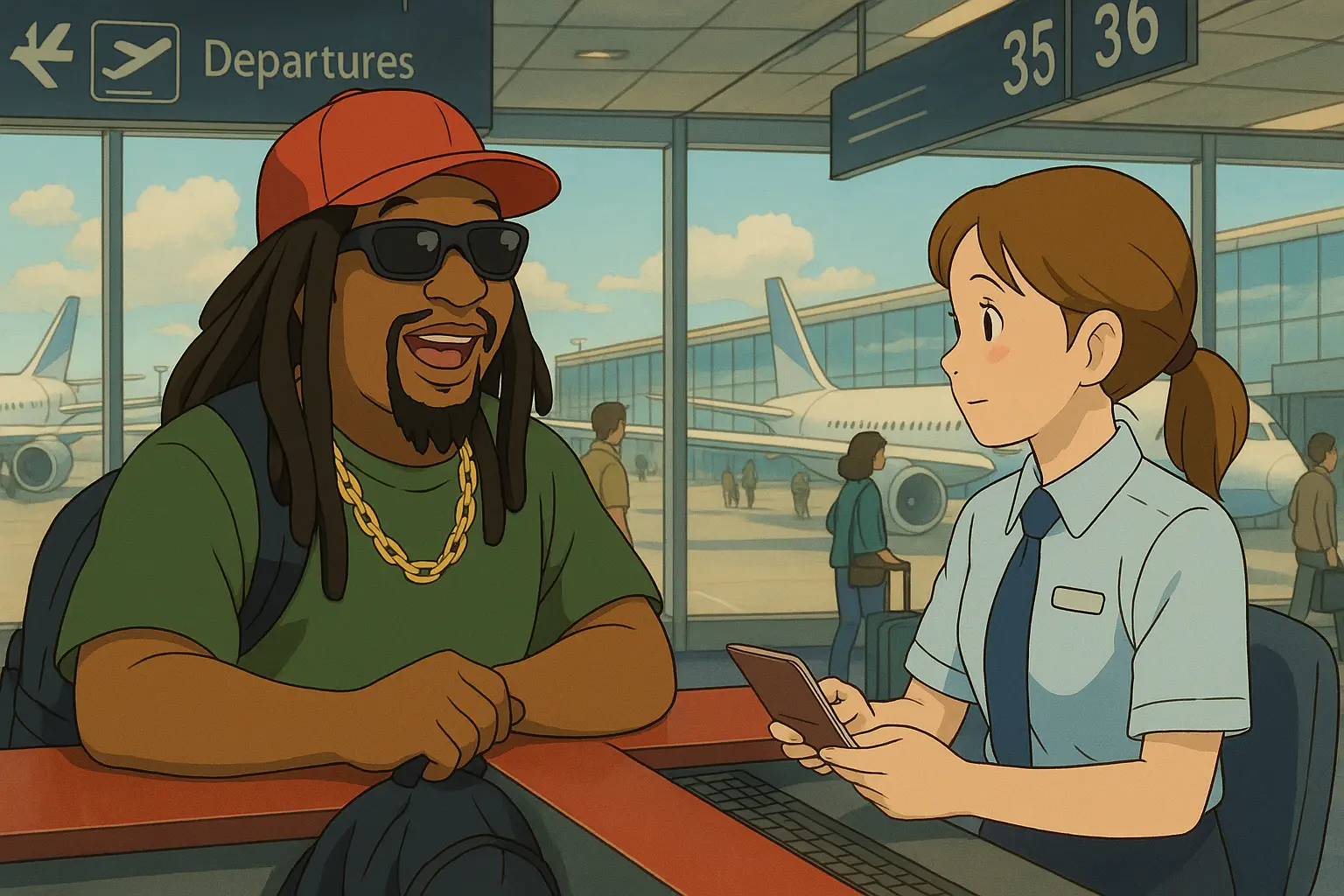 Lil Jon at the Airport小约翰戴着大号太阳镜和他最喜欢的帽子…
 Before Sunrise (Part 1)刘大叔是一位农夫。他住在村子里,家后…
- In the Fields (Part 2)早上的田里很热闹。鸟在树上叫,风吹过…
 Morning Light (Part 1)林画家住在一个小城市。他早上七点起床…
- In the Studio (Part 2)八点半,林画家开始一天的创作。他先整…
 Morning Classes (Part 2)七点半,小林到学校。他先去教室打扫…
 A Marketer's Morning (Part 1)李安是一位行销员,在一家科技公司工作…
- The Morning Meeting (Part 2)九点,李安到公司。他先和同事开早会…
 A New Start (Part 1)早上七点,美玲走进大厅。她是这家小饭…
- The First Guest (Part 2)第一位客人是一位年轻的旅客。他拖着行…
 Morning (Part 1)王老师早上七点起床。他先喝一杯水,然…
- At School (Part 2)王老师八点半到学校。学生们看到他,都…
 First Order (Part 1)陈明是一位外送员。他早上七点起床,天…
- Morning Deliveries (Part 2)早上的订单越来越多。陈明跑东跑西,一…
 A Nurse's Morning (Part 1)王护士早上六点起床。她在市中心医院工…
- The Morning Shift (Part 2)八点,王护士到医院,马上开始忙。她先…
 At the Office (Part 2)林工程师九点到公司。他先打开电脑,查…
 A Plumber's Morning (Part 1)李师傅是一位水电工。他早上六点半起床…
- Fixing a Leak (Part 2)第一家住在老社区,水管一直漏水。李师…
 The Nervous Child (Part 2)第一个病人是一位小朋友,大概七岁。他…
 New Flight (Part 1)今天早上,空服员林可很早就起床。她一…
- Busy Cabin (Part 2)飞机起飞后,林可开始分发饮料。有些旅…
 The Emergency Call (Part 2)阿荣正在整理消防车里的水管。这时,队…
 A Chef's Morning (Part 1)张师傅是一位餐厅的厨师。他早上六点起…
 A Day’s Journey from Village to Suburbs周六早上,小华从爷爷家的村出发。村子…
AP Chinese Themes 31 stories
 A Visitor from Far, Far Away今年,天上来了一个特别的“客人”。它…
 Washing clothes小李的脏衣服已经很多了,需要洗一洗…
 Making dinner小美想学做饭,所以请妈妈教她。妈妈说…
 Dongshi Copies a Frown从前,有个女孩叫西施。她很美,大家都…
 The Old Oil Seller从前,有一个人很会射箭。他十次能射中…
- The Sky's Big Day八月十二号,天上有两件大事。白天,有…
 The Tall Crane从前,有一个人,他家有很多鸡。鸡每天…
 Going to buy groceries今天妈妈很忙,所以让小明去超市买菜…
 Cleaning the room星期六早上,小王决定打扫房间。他先把…
 A New Project Begins (Part 1)李明是一名数据科学家,每天都在电脑前…
 The Nian Monster年兽很久以前,有一只怪兽,名字叫“年…
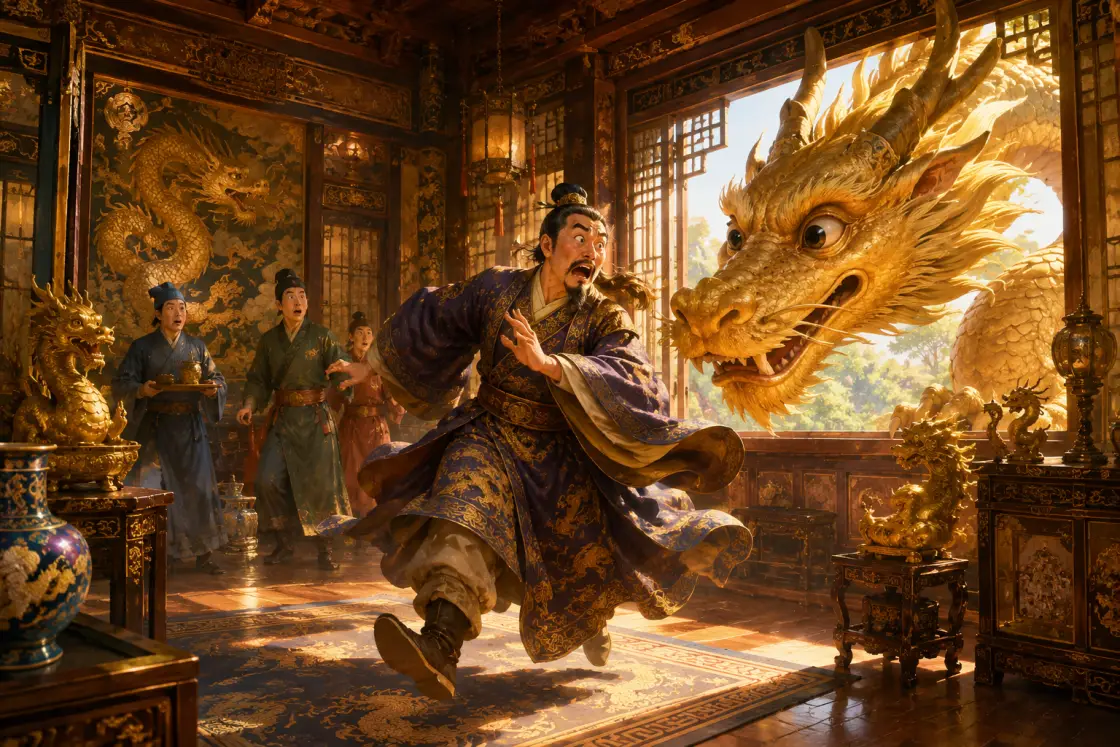 Lord Ye and the Dragon从前,有一个人叫叶公。他说他最喜欢龙…
- Spain Wins the World Cup世界杯结束了。七月十九号,西班牙和阿…
 The Iron Rod and the Needle李白小时候不爱读书。一天,他从学校跑…
 Can't Take It Anymore (Part 1)小林在城里租房子住,已经住了两年了…
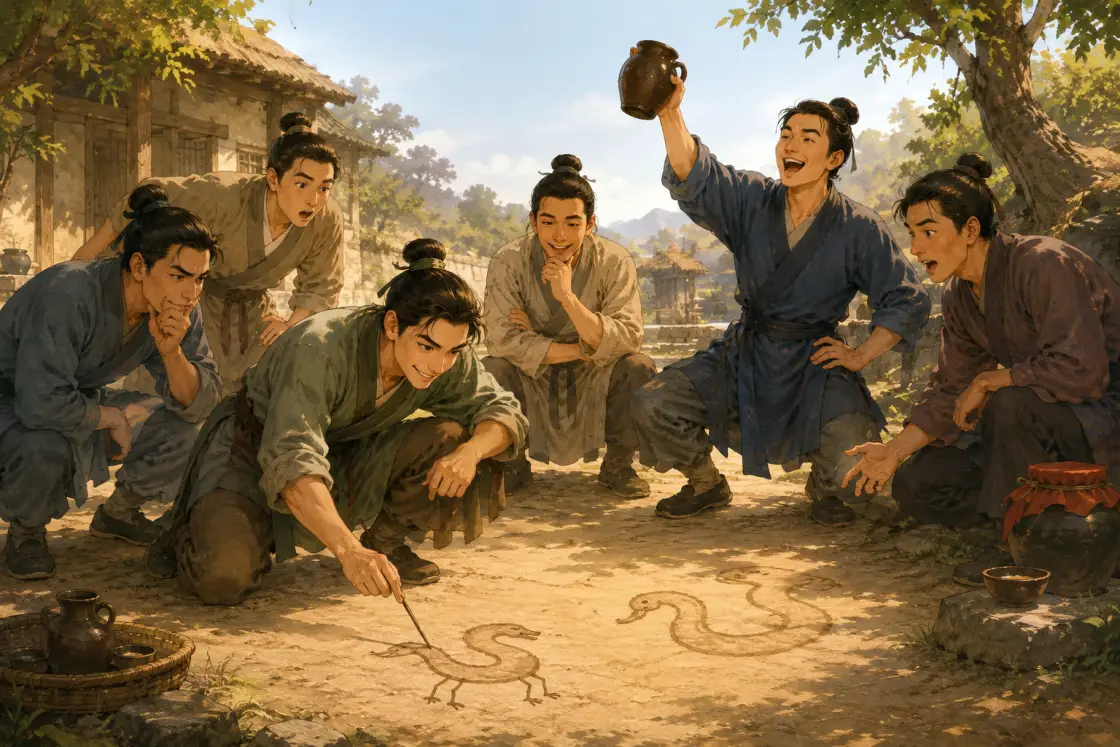 The Snake with Feet很久以前,有几个朋友一起喝酒。他们决…
 The Sword in the River从前,有一个人坐船过河。他的剑掉到水…
 The Great Race十二生肖很久以前,玉皇大帝说:“我要选十二只…
 The Wall从前有一个姓王的年轻人,家里很有钱…
- Fifteen Strings of Cash (Part 1)明朝的时候,城里住着一个卖肉的人,叫…
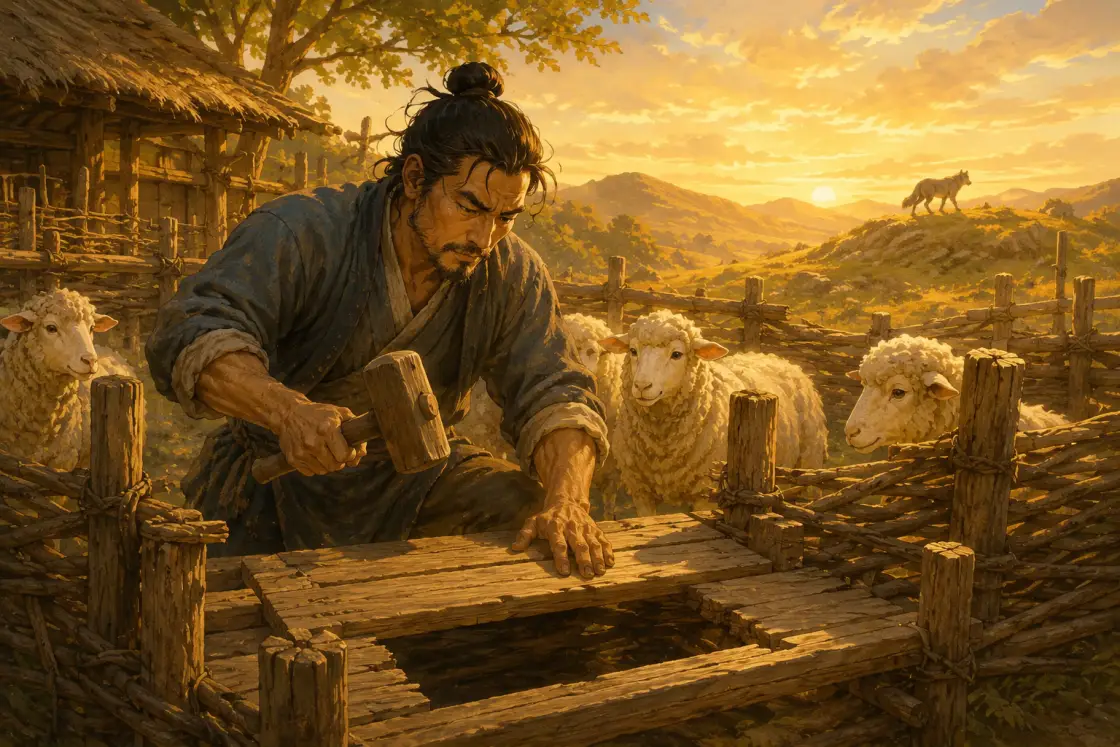 Mending the Sheep Pen从前,有一个人养了很多羊。他的羊圈上…
 The Man Who Measured His Feet从前,郑国有一个人想买鞋。在家里,他…
 The Engineer's Night (Part 2)林工程师负责写App的程序。每天早上…
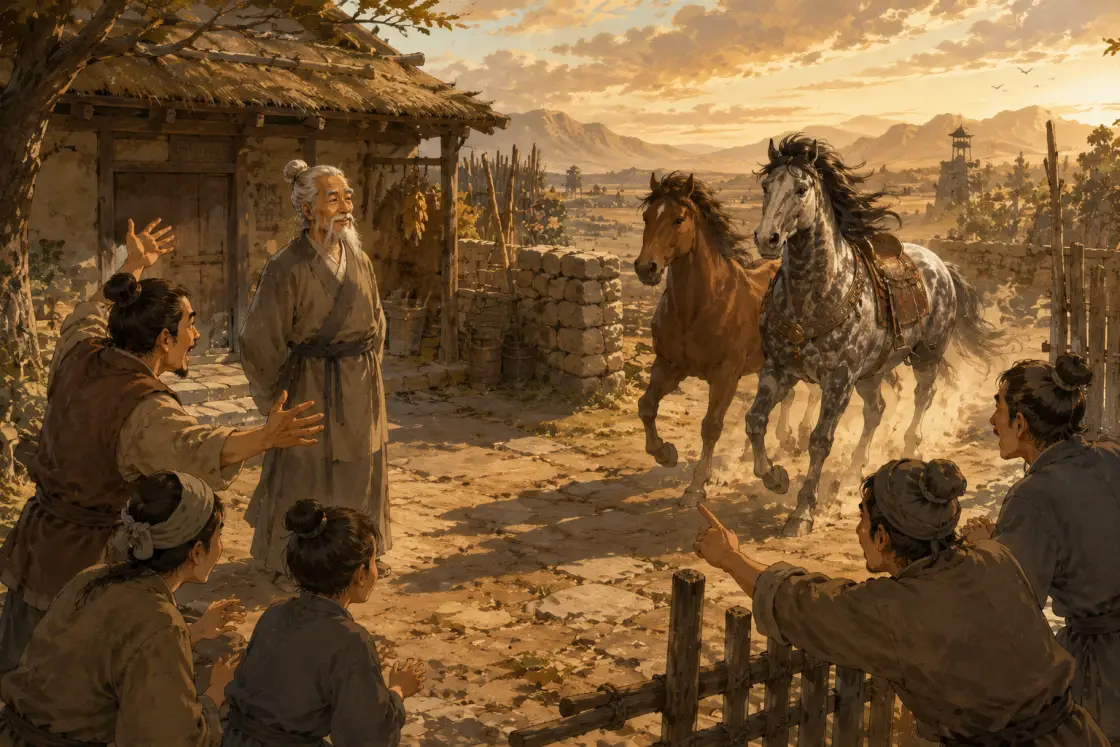 The Old Man's Horse从前,有一个老人,他有一匹马。一天…
 The Boy Who Cried Wolf从前,有个孩子在山上放羊。他大叫…
 No Way Back很久以前,有一个将军。他带着士兵过了…
 Moving the Mountain很久以前,有一个老人,叫愚公。他家门…
 The New Year Gift很多年以前的上海,冬天特别冷。阿俊和…
- The Big Project (Part 1)星期一早上,小郭坐地铁去公司。今天有…
 After Twenty Years二十年前,阿龙和大伟是最好的朋友。他…
 The Box and the Pearl从前,有个人要卖一颗珍珠。珍珠很贵…
Adapted Classics 9 stories
 On Saving Time两千年前,在罗马,住着一位老哲学家…
- On True Friendship在罗马,老哲学家塞内卡又拿起了笔。这…
 The Death of Mrs. Fan (Part 1)我是一个医生,住在江边的一个小城里…
- Dinner at the An House (Part 2)第二天下午,安老爷派人送来一封信,请…
 The Visitor (Part 1)上海白鸽街221号,住着一位有名的侦…
- The Legend (Part 2)莫医生喝完茶,从包里拿出一张很旧的纸…
 The Dawn Visitor (Part 1)那年春天的一个早晨,天还没有完全亮…
- The Sister's Last Words (Part 2)周兰喝了一口热茶,开始讲那天晚上的事…
 The General Who Hated War两千五百年前,中国有一位很特别的将军…
Character Stories 3 stories
 The Careless Security Guard (Part 1)早上七点,阿亮走进商场。他又忘了带水…
- The Missing Walkie-Talkie (Part 2)阿亮正在楼里巡逻,突然发现自己的对讲…
 The First Warm Moment (Part 2)小白正在吃女孩放的饭。他吃得很慢,好…
Chinese Idioms 3 stories
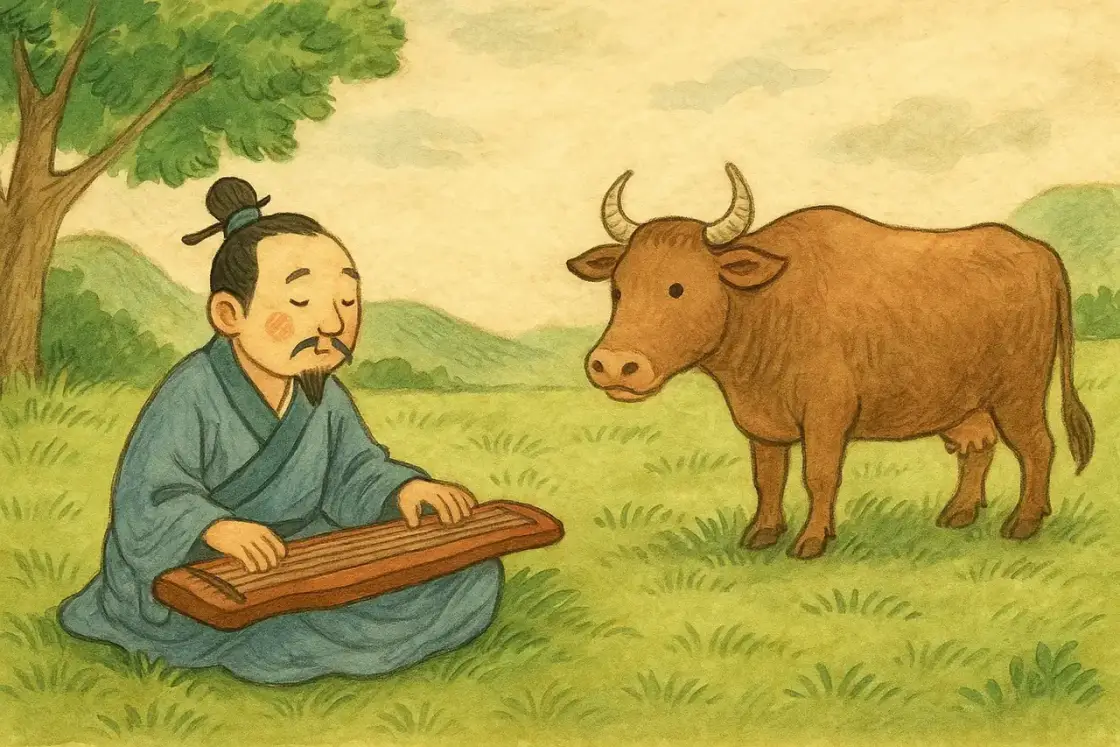 Playing the Qin to a Cow很久以前,有一个人会弹琴。他觉得自己…
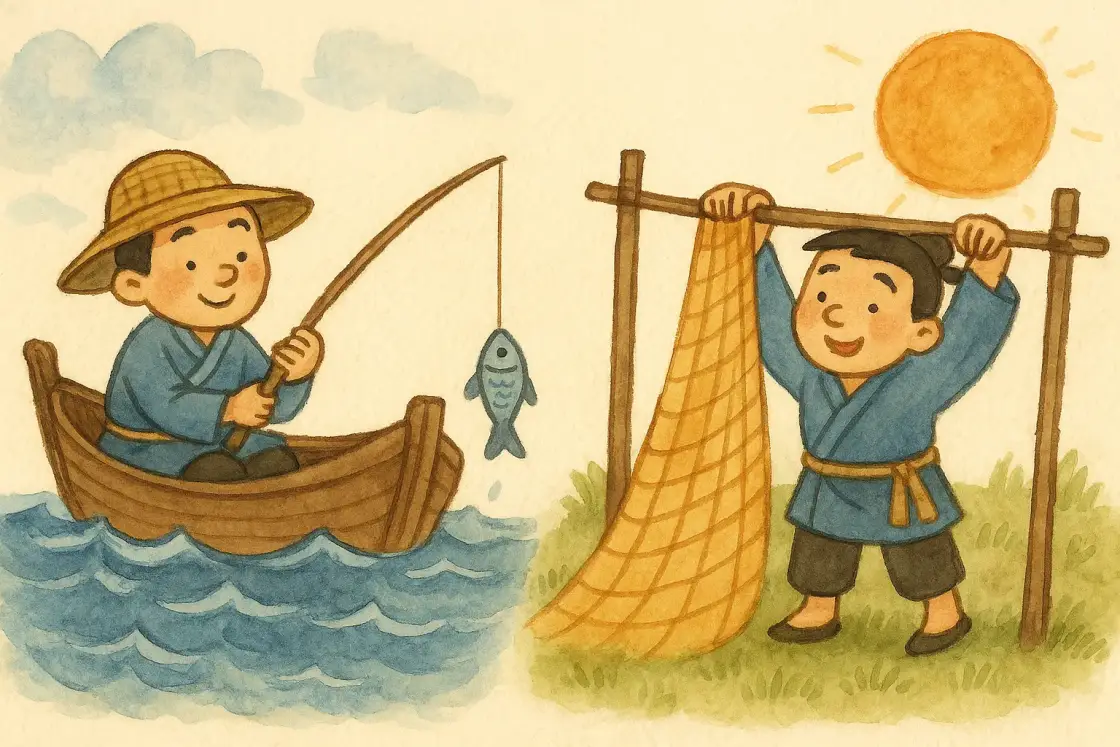 Three Days Fishing, Two Days Drying Nets从前,有一个年轻的渔夫。他对自己说…
 The Crane Among Chickens很久以前,在中国有一个农夫,他家里养…
Classic Fables 5 stories
 The Train Full of Toys (Part 1)一列小火车拉着满满的车厢,要翻过高高…
- The Proud Engines (Part 2)不久,一个亮亮的新火车头开来了。玩具…
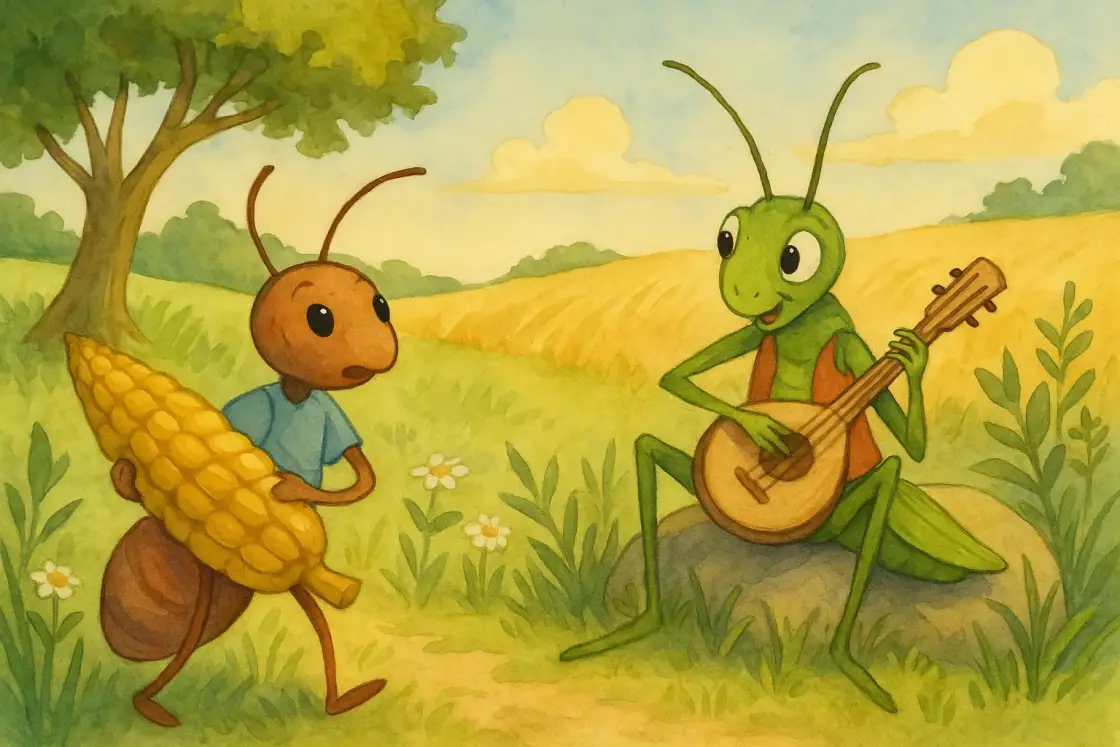 The Ant and the Grasshopper夏天的时候,蚂蚁们每天都很忙。它们顶…
 The Sailor's Advice一个人在海边遇见一个刚从海上回来的水…
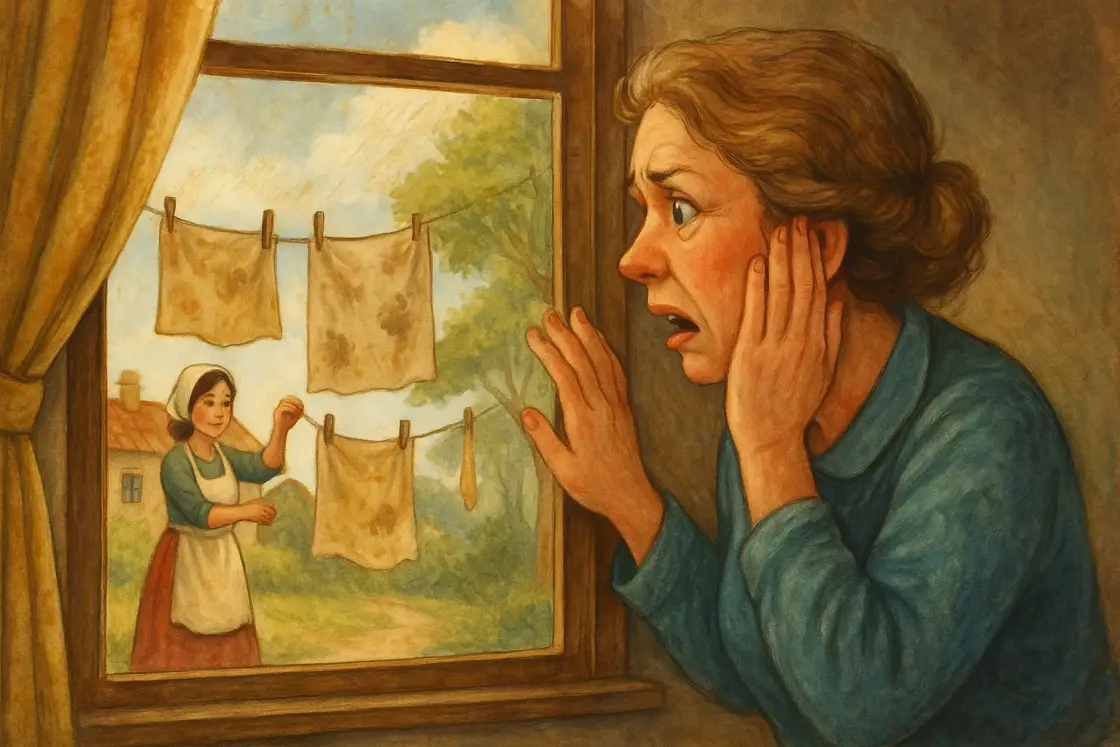 The Dirty Window一对年轻夫妇对面搬来了新邻居。第二天…
Book Summaries 5 stories
 Atomic Habits: One Percent Better (Part 1)有一本很有名的书,叫《原子习惯》,作…
 Mindset: Two Ways of Seeing Yourself (Part 1)你的能力是一块石头,还是一棵树?有一…
 Deep Work: The Rarest Skill (Part 1)有一本书叫《深度工作》,作者是一位美…
 How to Win Friends: Don't Kick the Beehive (Part 1)有一本很有名的书,叫《人性的弱点》…
 The Psychology of Money: Nobody Is Crazy (Part 1)小李的爷爷有一个奇怪的习惯。他把现金…
Christian Stories 4 stories
- King Benjamin's Last Speech很久以前,有一个好国王,叫便雅悯王…
- Nephi and the Brass Plates很久以前,先知李海住在耶路撒冷。城里…
- Noah and the Great Flood很久很久以前,有一个人叫挪亚。那时候…
- Abraham's Great Test很久以前,有一个人叫亚伯拉罕。他和妻…
Historical Figures 4 stories
 Li Bai: The Sword and the Wine Cup (Part 1)七零一年,李白出生了,那正是唐朝最好…
 Zheng He: From Captive to Admiral (Part 1)六百多年前,郑和出生在云南,那时他的…
 Confucius: The Teacher Who Turned No One Away (Part 1)两千五百多年前,中国还没有皇帝,而是…
 Su Dongpo: The Most Talented Man in the Song (Part 1)九百多年前的宋朝,苏东坡出生在四川眉…
More Stories 1 story

Key HSK 3 words in these stories
These are the HSK 3 words (HSK 3.0 list) that turn up most often across the stories on this page, so they are the ones worth knowing before you start — you'll see each of them again and again. Browse the full HSK 3 word list for everything else.
- 把bǎto holdin 49 of 129 stories
- 可是kě shìbutin 45 of 129 stories
- 会會kuài(bound form) to reckon accountsin 41 of 129 stories
- 又yòuagainin 36 of 129 stories
- 先xiānfirstin 25 of 129 stories
- 还還huánto returnin 23 of 129 stories
- 地dìearthin 23 of 129 stories
- 然后然後rán hòuthenin 21 of 129 stories
- 得děimustin 20 of 129 stories
- 起qǐto get upin 17 of 129 stories
- 心里心裡xīn liinside (one’s heart)in 17 of 129 stories
- 一样一樣yī yàngsamein 17 of 129 stories
- 最后最後zuì hòufinalin 17 of 129 stories
- 发现發現fā xiànto discoverin 16 of 129 stories
- 用yòngto usein 16 of 129 stories
- 以后以後yǐ hòuin the futurein 16 of 129 stories
- 同事tóng shìcolleaguein 15 of 129 stories
- 后来後來hòu láiafterwardsin 15 of 129 stories
- 老lǎooldin 15 of 129 stories
- 别人別人bié renother peoplein 15 of 129 stories
- 决定決定jué dìngto decidein 14 of 129 stories
- 马上馬上mǎ shàngright awayin 14 of 129 stories
- 特别特別tè biéspecialin 14 of 129 stories
- 更gèngmorein 14 of 129 stories
More HSK 3 stories, with audio, in the app
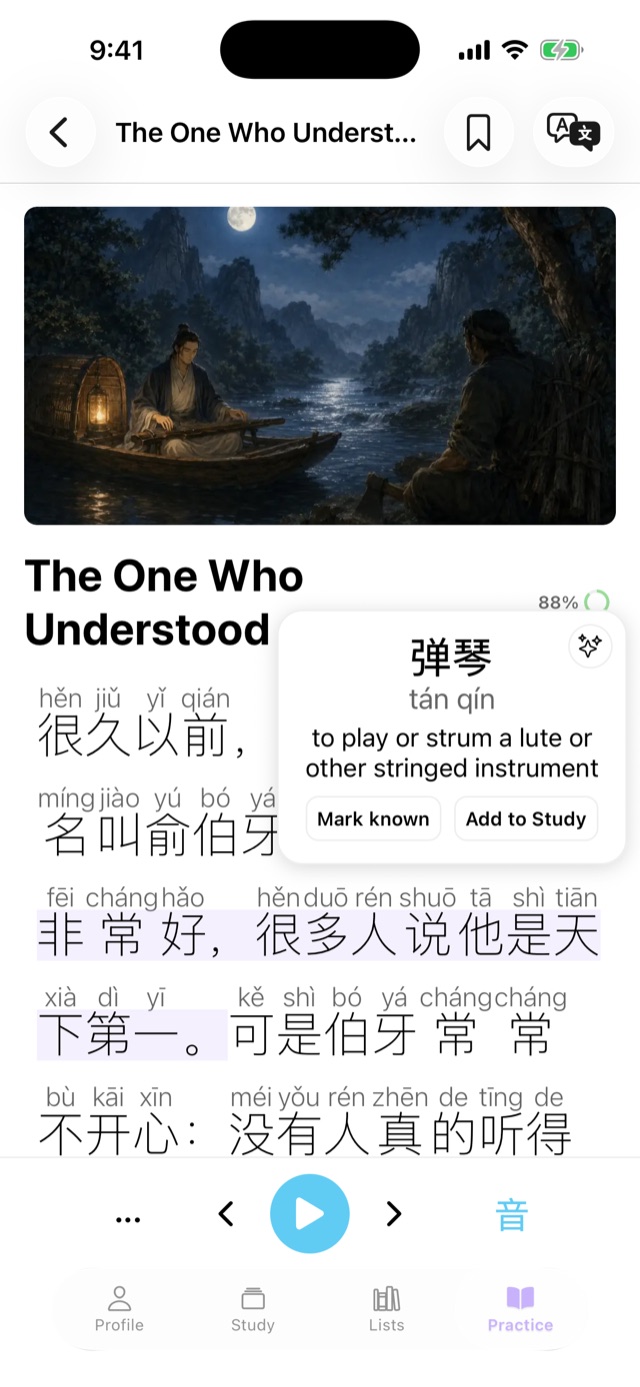
The Literate Chinese app has 228 more stories at this estimated level beyond the 129 here, out of 1,000+ graded stories in total. It doesn't sort them by HSK band, though — it tracks the words you actually know and shows how familiar each story is, so you can pick ones that are just hard enough.
Every story is narrated by native speakers in Mainland or Taiwan Mandarin, in Simplified or Traditional characters, and any word you tap can become a flashcard.


Frequently asked questions
How many characters do I need for HSK 3 reading?
The 2026 HSK 3.0 syllabus has 997 words through HSK 3, written with 655 different characters. You can start these stories well before you know them all: 91% of the characters in the 129 stories on this page are HSK 1–3 characters, and you can tap any word for a definition.
Is HSK 3 reading hard?
HSK 3 is the classic jump: texts suddenly carry opinions, reasons and contrasts, and the word count roughly doubles from HSK 2. It is very manageable with graded stories, because they keep almost every word inside the HSK 1–3 lists — you spend your effort on the grammar, not on a dictionary.
How long are HSK 3 reading passages?
The 129 stories here run from 77 to 514 characters, with a typical story of about 136 characters and sentences averaging 14.9 characters. Together they add up to 25,029 characters of reading at this level.
Can I read these stories in traditional characters?
Yes. Every story has a 简/繁 switch at the top; it changes the whole text to traditional characters and remembers your choice. See traditional reading practice for more.
Do the stories have audio?
In the browser you can hear any single word with your device's voice from the tap-to-define card. Full narration by native speakers, in Mainland or Taiwan Mandarin, is in the free Literate Chinese app.
Also useful: Not sure of your level? Take the 2-minute character test · HSK 3 word list · Traditional reading practice · All Chinese reading practice