
HSK 3 Traditional Chinese Stories: 129 with Zhuyin & Pinyin
Every free story on this site at an estimated HSK 3 level, shown in Traditional characters (繁體字) and sorted easiest first. Switch the pronunciation guide between pinyin and zhuyin, tap any word for its meaning, and flip to Simplified any time. No sign-up.
- 129free stories
- 28%of characters look different from Simplified
- 655characters through HSK 3
- 136characters in a typical story
简 Prefer Simplified? Same stories in SimplifiedTest yourself: HSK 3 reading comprehension
What HSK 3 reading looks like in Traditional characters
HSK 3 is where connected narrative arrives: 因為…所以, 雖然…但是, 如果…就, 把 and 被 sentences, result and direction complements (聽懂, 拿出來, 找到) and 是…的. Stories are paragraphs rather than lines, and topics widen to work, school, culture and idiom stories (成語故事), the same classics Taiwanese schoolchildren read.
- 129 free stories at this level, 77–514 characters each (typically 136).
- 28% of the characters you read in them are written differently in Traditional than in Simplified; the rest are identical.
- 997 words / 655 characters in the 2026 HSK 3.0 lists through HSK 3, and 91% of the characters in these stories come from them.
- Pinyin or zhuyin on tap, Taiwan quotation marks (「」), and a Simplified switch if you need to compare.
Which TOCFL level is HSK 3?
| TOCFL | TOCFL levels | ≈ HSK | Read here |
|---|---|---|---|
| Band A | Level 1 入門級 (A1), Level 2 基礎級 (A2) | 1–2 | Beginner path, HSK 1, HSK 2 |
| Band B | Level 3 進階級 (B1), Level 4 高階級 (B2) | 3–4 | HSK 3 (this page), HSK 4 |
| Band C | Level 5 流利級 (C1), Level 6 精通級 (C2) | 5+ | HSK 5–6 (use the 繁 switch) |
The match is approximate: TOCFL and HSK use different word lists and test formats, and our story levels are estimates on the HSK 3.0 scale. See the TOCFL guide for the exam itself.
New to this level, or not sure you're at it? Try the intermediate picks (series and nonfiction worth reading next), or take the 2-minute character test to see where you are.
Read 3 HSK 3 stories right now
Pronunciation off first, then turn it on for any sentence that stops you. Choose pinyin or zhuyin; tap any word for its meaning, and check yourself with Translation and the quiz under each story. Your settings carry over to every story.
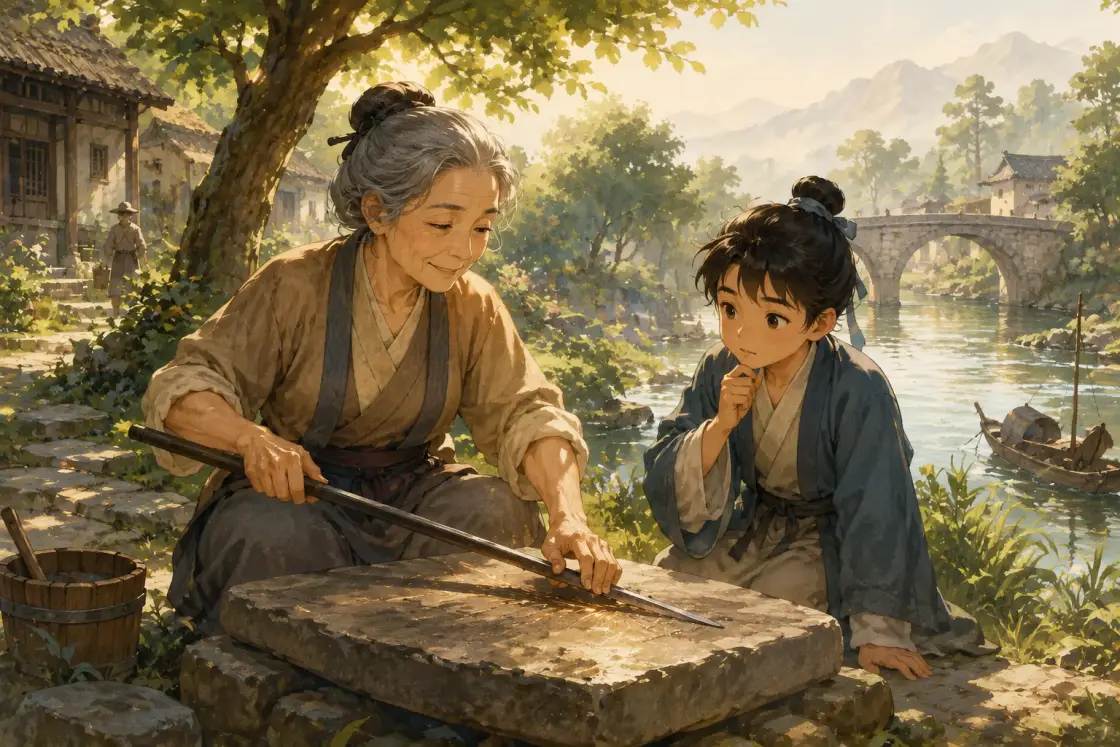
1The Iron Rod and the Needle
Young Li Bai meets an old woman grinding an iron rod into a needle.
李白小時候不愛讀書。When Li Bai was little, he did not like to study.一天,他從學校跑了出去。One day, he ran out of school.
他在河邊看到一位老奶奶。By the river, he saw an old woman.老奶奶在石頭上磨一根鐵棒。The old woman was grinding an iron rod on a stone.
李白問:「奶奶,您在做什麼?」Li Bai asked, "Grandma, what are you doing?"
老奶奶說:「我要把它磨成一根針。」The old woman said, "I am going to grind it into a needle."
李白說:「鐵棒這麼大,怎麼可能?」Li Bai said, "The iron rod is so big — how is that possible?"
老奶奶說:「我天天磨,它就會變小。」The old woman said, "I grind it every day, so it will get smaller."
李白聽了,回到學校好好讀書。When Li Bai heard this, he went back to school and studied hard.後來,他成了很有名的詩人。Later, he became a very famous poet.
這個成語是「磨杵成針」。This idiom is "grinding an iron rod into a needle."意思是:只要天天做,難的事也能做成。It means: if you keep at it every day, even hard things can be done.例句:別怕難,磨杵成針,天天練就行。Example: Don't fear hard things — keep grinding, just practice every day.
Check your understanding
What did young Li Bai not like to do?
What was the old woman doing?
What did Li Bai do after talking to the old woman?

2Morning (Part 1)
A Day in the Life of a Teacher: Teacher Wang starts his day.
王老師早上七點起床。Teacher Wang wakes up at seven in the morning.他先喝一杯水,然後洗臉、刷牙。He first drinks a glass of water, then washes his face and brushes his teeth.窗外的陽光很亮,空氣也很新鮮。The sunlight outside is bright, and the air is fresh.
他打開窗戶,看見樓下的人在買早餐。He opens the window and sees people downstairs buying breakfast.有人買包子,有人買豆漿,還有人騎電動車去上班。Some buy buns, some buy soy milk, and some ride scooters to work.
王老師喜歡吃雞蛋、麵包和水果當早餐。Teacher Wang likes to eat eggs, bread, and fruit for breakfast.他一邊吃,一邊聽中文歌曲。He eats while listening to Chinese songs.吃完早飯,他喝一點咖啡,看手機裡的新聞。After breakfast, he drinks some coffee and reads news on his phone.
早上八點,他帶上書、本子和水壺,準備出門。At eight o'clock, he takes his books, notebook, and water bottle, and gets ready to head out.門外的風很舒服,天也不太熱。The wind outside feels nice, and the weather isn't too hot.他騎著自行車去學校,路上還跟鄰居打招呼。He rides his bicycle to school and greets his neighbors on the way.
Check your understanding
王老師早上起床以後,先做什麼?
王老師喜歡吃什麼當早餐?
王老師是怎麼去學校的?

3The Visitor (Part 1)
A forgotten walking stick brings a country doctor (and a terrifying mystery) to detective Shen Mo's door.
上海白鴿街221號,住著一位有名的偵探,他叫沈默。At 221 Baige Street in Shanghai lived a famous detective named Shen Mo.華醫生是他最好的朋友,常常幫他做事。Dr. Hua was his best friend and often helped him with his work.一天早上,華醫生看見桌子上有一根手杖。One morning, Dr. Hua noticed a walking stick on the table.
沈默說:「昨天晚上有一位客人來找我們,我們不在家,他把手杖忘在這裡了。」Shen Mo said, "A visitor came looking for us last night. We weren't home, and he left his walking stick behind."華醫生拿起手杖,仔細地看了看。Dr. Hua picked up the stick and examined it carefully.「沈先生,你能從這根手杖看出什麼嗎?」他問。"Mr. Shen, can you tell anything from this walking stick?" he asked.沈默笑了笑,說:「這位客人是一位鄉下的醫生。」Shen Mo smiled and said, "Our visitor is a country doctor."
「他常常走很遠的路,所以手杖的下面很舊了。」"He often walks long distances, so the bottom of the stick is badly worn."「他還有一隻狗,狗喜歡幫主人拿手杖,你看,上面有狗的牙印。」"He also has a dog that likes to carry the stick for its master — look, there are tooth marks on it."華醫生問:「你怎麼知道他是醫生?」Dr. Hua asked, "How do you know he's a doctor?"沈默說:「手杖上寫著幾個小字:送給莫醫生。」Shen Mo said, "There are a few small words on the stick: For Dr. Mo."華醫生笑了:「這也太簡單了吧!」Dr. Hua laughed. "That's far too easy!"就在這個時候,有人敲門。At that very moment, someone knocked at the door.
一個四十多歲的男人走了進來,他看起來很累,也很著急。A man in his forties walked in, looking tired and anxious.「對不起,我昨天把手杖忘在這裡了。」他說。"Excuse me, I left my walking stick here yesterday," he said.「您就是莫醫生吧?請坐。」沈默說。"You must be Dr. Mo? Please, sit down," said Shen Mo.莫醫生很吃驚:「您怎麼知道我的名字?」Dr. Mo was astonished. "How do you know my name?"沈默說:「請告訴我,您為什麼從那麼遠的地方來找我?」Shen Mo said, "Please tell me — why have you come so far to find me?"
莫醫生坐下來,喝了一口茶,慢慢地說:Dr. Mo sat down, took a sip of tea, and began slowly:「我住在霧山鎮,那是一個很小的鎮,坐火車要一天。」"I live in Fog Mountain Town — a very small town, a full day away by train."「鎮的外面有一座很老的房子,大家叫它白家老宅。」"Outside the town stands a very old house that everyone calls the old Bai manor."「兩個星期以前,白老爺死在老宅的大門口。」"Two weeks ago, old Master Bai was found dead at the manor gate."「醫生說他的心臟不好,他是因為太害怕才死的。」"The doctors said his heart was weak — he died of sheer fright."華醫生問:「他一個人死在門口嗎?」Dr. Hua asked, "Did he die alone at the gate?"
莫醫生的臉變得很白,他小聲地說:Dr. Mo's face turned pale, and he said in a low voice:「在他的身體旁邊,我看見了很大很大的狗的腳印。」"Beside his body, I saw enormous dog footprints."「沈先生,那不是普通的狗的腳印。」"Mr. Shen, those were not the footprints of an ordinary dog."
Check your understanding
What did Shen Mo deduce from the walking stick?
How did old Master Bai die?
What did Dr. Mo see near the body?
How to practice reading at HSK 3 in Traditional
- Read with the guide off by default now. Use pinyin or zhuyin to rescue a sentence, not as a habit.
- Watch the connectors (因為, 但是, 所以, 然後). They are the skeleton of every paragraph at this level.
- Mix intensive and extensive reading: one story read closely, two read quickly for the gist.
- Time yourself once a week. Reading speed is the clearest sign of progress at HSK 3–4 and TOCFL Band B.
Grammar you will practice here
Patterns from our Chinese grammar guide that have a story on this page built around them:
- Subj. + 把 + Obj. + Verb + …把 sentencespracticed in The Big Move (Part 2)
- Verb + 著Ongoing states with 着practiced in A New Morning
- 又 + Verb + 了 / 再 + VerbAgain: 又 vs 再practiced in The Careless Security Guard (Part 1)
- Subj. + 一 + Verb A,(Subj.) + 就 + Verb BAs soon as: 一…就…practiced in An Evening Alone
- 越來越 + Adj. / 越 A 越 BMore and more: 越来越practiced in In the Fields (Part 2)
- Subj. + 先 + Verb A,然後 / 再 + Verb BFirst … then: 先…然后/再…practiced in Making dinner
- Clause + 的時候 / 以前 / 以後When: …的时候practiced in Cleaning the room
- 如果 A,(Subj. +) 就 BIf … then: 如果…就…practiced in The Sailor's Advice
All 129 HSK 3 stories in Traditional Chinese
Start with these 5
The five gentlest HSK 3 stories on this page that stand on their own, shortest and easiest first, each with a picture and a quick quiz.
- 1
 An Evening AloneHome after a long day, Xiao Guo leaves the computer off and watches the streetlights come on.
- 2
 Lil Jon Orders CoffeeThe barista wants to know if Lil Jon takes milk in his coffee. It's a simple question, if only he could hear…
- 3
 Before Sunrise (Part 1)A Day in the Life of a Farmer: Uncle Liu is up before the sun.
- 4A New MorningXiao Guo is up early and sure today will go smoothly, until something happens on the way to the subway.
- 5
 Morning Light (Part 1)A Day in the Life of a Painter: Painter Lin greets the morning sky.
Grouped by theme and sorted from easiest to hardest within each group (by length and word difficulty). Parts of a series stay together and in order. Reading times are rough estimates at a comfortable HSK 3 pace. Stories open in Traditional characters.
Business Chinese 9 stories
- Morning Subway小郭每天早上七點起床。他在公司上班…
- After Arriving at the Office小郭八點半到了公司。他全身都是汗,也…
- The Email Mistake早會結束後,小郭回到座位。他打開電腦…
- Afternoon Mood午飯後,小郭一個人坐在辦公室。外面的…
- An Evening Alone下班以後,小郭回到家。他一進門,就脫…
- A New Morning第二天早上,小郭起得很早。他做了早飯…
- The Boss’ Praise小郭一到公司,就開始工作。他先檢查郵…
- A New Beginning週五早上,天氣很好。小郭走在去公司的…
 The Psychology of Money: Nobody Is Crazy (Part 1)小李的爺爺有一個奇怪的習慣。他把現金…
Survival Chinese 5 stories
 Taking a Taxi (Part 1)李明要去火車站,時間不多了。他在路邊…
- The Phone in the Taxi (Part 2)李明上了火車,找到自己的座位。他想給…
 Asking for Directions (Part 1)小美第一次來這個城市,找不到博物館…
- The Famous Noodle Shop (Part 2)從博物館出來,小美餓了。聽說附近有一…
 Shopping and Bargaining (Part 1)週末,小美去逛市場。她看到一條很漂亮…
Grammar in Context 25 stories
 A New Morning at the Bakery (Part 1)早上七點,安安打開麵包店的燈。店裡香…
- The Customer Who Came Back (Part 2)第二天一早,安安正在烤麵包。空氣很香…
 The Child Who Forgot His Lunch (Part 2)路上更多乘客上車了。學生、上班族、奶…
 Morning Feeding Time (Part 1)早上七點,小慧走進動物園。她今天很早…
- The Missing Little Lamb (Part 2)中午前,小慧發現一隻小羊不見了。她不…
 One Rainy Day (Part 1)今天早上下起了大雨,一直下到下午。一…
 The Challenge (Part 1)老張和老王是鄰居,也是好朋友。老張說…
- Getting Ready (Part 2)星期五,兩個人都去買菜。老張起得比老…
 A Rainy Saturday (Part 1)星期六早上,我和姐姐打算去公園玩。可…
 The First Package of the Day (Part 1)早上八點,小東來到公司。今天的包裹很…
- A Lost Afternoon (Part 2)送完第一單後,小東接到新的地址。他看…
 Old Place or New Place? (Part 1)我和朋友想找一家飯館吃晚飯,可是我們…
 The Heavy Backpack (Part 1)明天我要跟朋友去山裡玩,只去一天,晚…
 Packing Up (Part 1)小林和小雨要搬家了。他們把書從書架上…
- The Big Move (Part 2)早上八點,搬家的工人們來了。工人們把…
 The Amazing Classmate (Part 1)我的朋友是我們班最厲害的人。她不但學…
 The Phone Call (Part 1)昨天晚上,我給一個好朋友打電話,本來…
 The Picnic That Almost Wasn't (Part 1)這個週末,我們全家想去湖邊野餐。爸爸…
 A Day of Small Mysteries (Part 1)今天早上一到公司,我就覺得很奇怪。辦…
 The One-Minute Decision (Part 1)我的朋友最近想養一隻貓,可是她一直下…
 A Day of Near Misses (Part 1)今天真是奇怪的一天,好幾件事都差點出…
 A Week Before Payday (Part 1)這個月我買東西買得太多,離發工資還有…
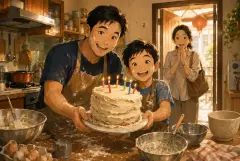 Mom's Birthday Surprise (Part 1)今天是媽媽的生日,我和爸爸想給她一個…
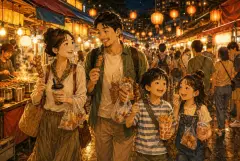 Hard to Stop (Part 1)我發現自己有一個問題:很多事情一旦開…
 The Cat's Conditions (Part 1)我們家的貓脾氣很大,做什麼事都有自己…
Daily Life & Work 26 stories
- Lil Jon Orders Coffee在咖啡店,咖啡師問:“您的咖啡要加牛…
 Lil Jon at the Airport小約翰戴著大號太陽鏡和他最喜歡的帽子…
- Before Sunrise (Part 1)劉大叔是一位農夫。他住在村子裡,家後…
- In the Fields (Part 2)早上的田裡很熱鬧。鳥在樹上叫,風吹過…
- Morning Light (Part 1)林畫家住在一個小城市。他早上七點起床…
- In the Studio (Part 2)八點半,林畫家開始一天的創作。他先整…
 Morning Classes (Part 2)七點半,小林到學校。他先去教室打掃…
 A Marketer's Morning (Part 1)李安是一位行銷員,在一家科技公司工作…
- The Morning Meeting (Part 2)九點,李安到公司。他先和同事開早會…
 A New Start (Part 1)早上七點,美玲走進大廳。她是這家小飯…
- The First Guest (Part 2)第一位客人是一位年輕的旅客。他拖著行…
 A Nurse's Morning (Part 1)王護士早上六點起床。她在市中心醫院工…
- The Morning Shift (Part 2)八點,王護士到醫院,馬上開始忙。她先…
- Morning (Part 1)王老師早上七點起床。他先喝一杯水,然…
- At School (Part 2)王老師八點半到學校。學生們看到他,都…
 At the Office (Part 2)林工程師九點到公司。他先打開電腦,查…
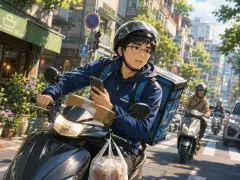 First Order (Part 1)陳明是一位外送員。他早上七點起床,天…
- Morning Deliveries (Part 2)早上的訂單越來越多。陳明跑東跑西,一…
 A Plumber's Morning (Part 1)李師傅是一位水電工。他早上六點半起床…
- Fixing a Leak (Part 2)第一家住在老社區,水管一直漏水。李師…
 The Nervous Child (Part 2)第一個病人是一位小朋友,大概七歲。他…
 A Chef's Morning (Part 1)張師傅是一位餐廳的廚師。他早上六點起…
 New Flight (Part 1)今天早上,空服員林可很早就起床。她一…
- Busy Cabin (Part 2)飛機起飛後,林可開始分發飲料。有些旅…
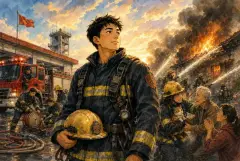 The Emergency Call (Part 2)阿榮正在整理消防車裡的水管。這時,隊…
 A Day’s Journey from Village to Suburbs週六早上,小華從爺爺家的村出發。村子…
AP Chinese Themes 31 stories
 A Visitor from Far, Far Away今年,天上來了一個特別的“客人”。它…
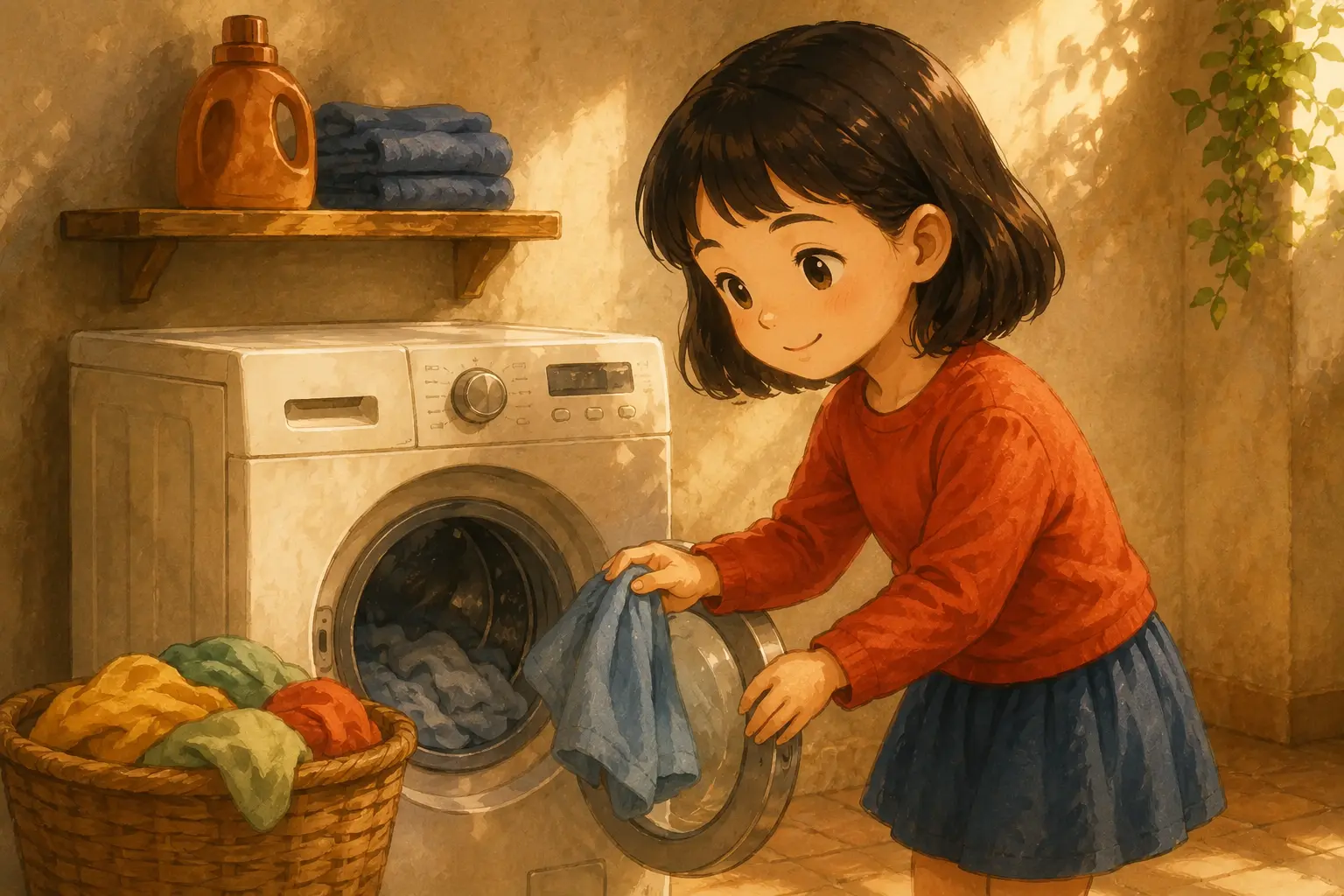 Washing clothes小李的髒衣服已經很多了,需要洗一洗…
 Making dinner小美想學做飯,所以請媽媽教她。媽媽說…
 Dongshi Copies a Frown從前,有個女孩叫西施。她很美,大家都…
 The Old Oil Seller從前,有一個人很會射箭。他十次能射中…
- The Sky's Big Day八月十二號,天上有兩件大事。白天,有…
 The Tall Crane從前,有一個人,他家有很多雞。雞每天…
 Going to buy groceries今天媽媽很忙,所以讓小明去超市買菜…
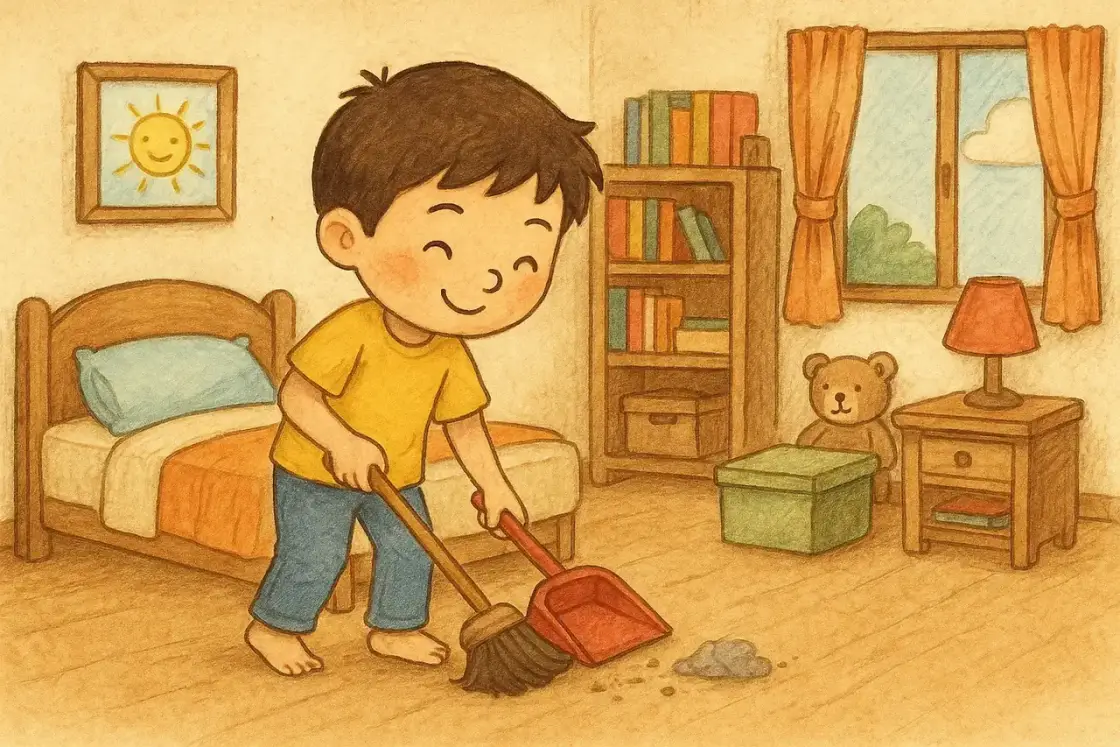 Cleaning the room星期六早上,小王決定打掃房間。他先把…
 A New Project Begins (Part 1)李明是一名數據科學家,每天都在電腦前…
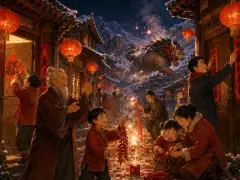 The Nian Monster年獸很久以前,有一隻怪獸,名字叫“年…
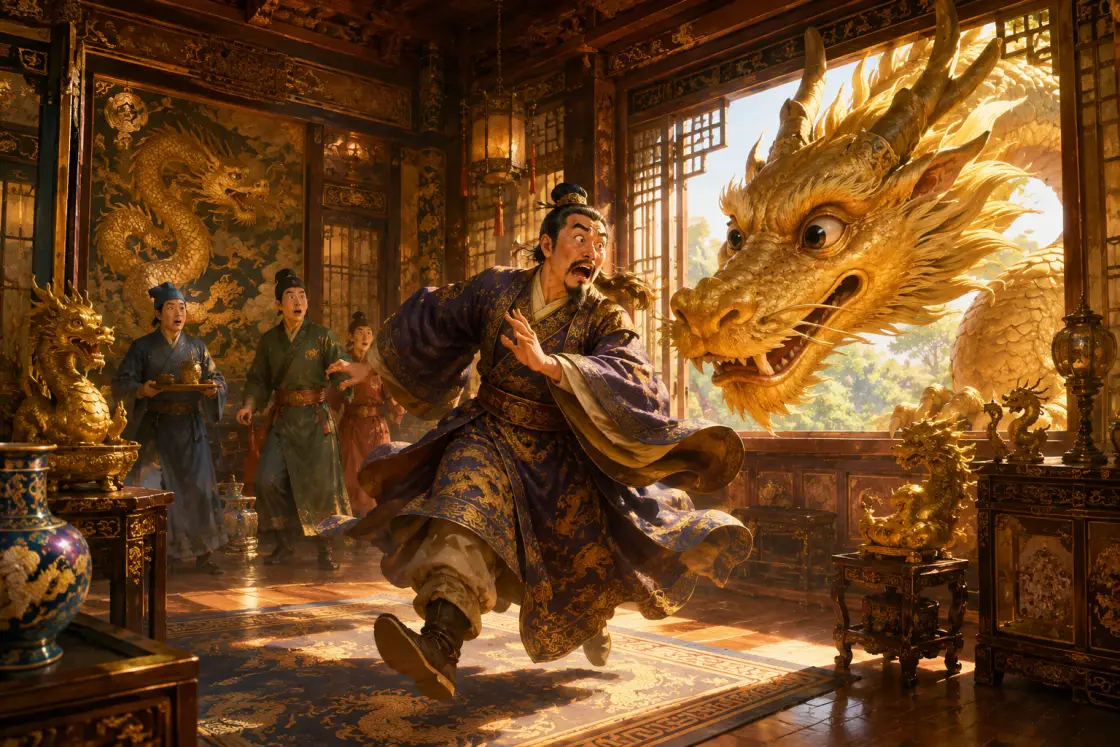 Lord Ye and the Dragon從前,有一個人叫葉公。他說他最喜歡龍…
- Spain Wins the World Cup世界杯結束了。七月十九號,西班牙和阿…
- The Iron Rod and the Needle李白小時候不愛讀書。一天,他從學校跑…
 Can't Take It Anymore (Part 1)小林在城裡租房子住,已經住了兩年了…
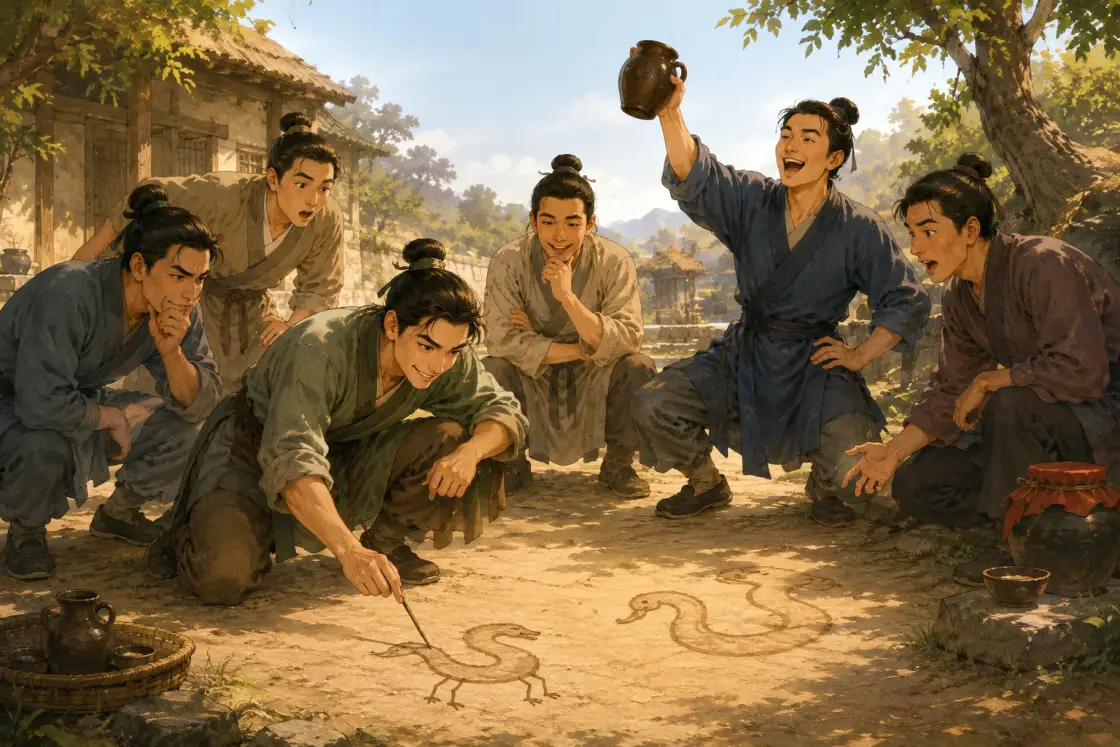 The Snake with Feet很久以前,有幾個朋友一起喝酒。他們決…
 The Sword in the River從前,有一個人坐船過河。他的劍掉到水…
 The Great Race十二生肖很久以前,玉皇大帝說:“我要選十二隻…
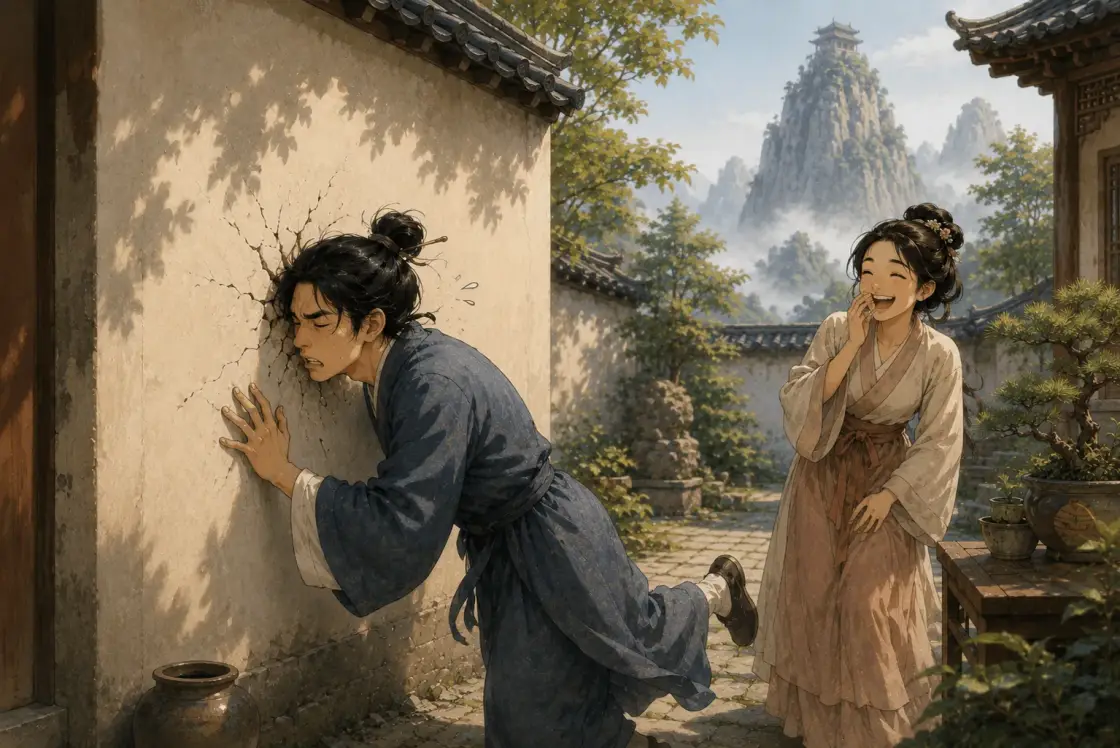 The Wall從前有一個姓王的年輕人,家裡很有錢…
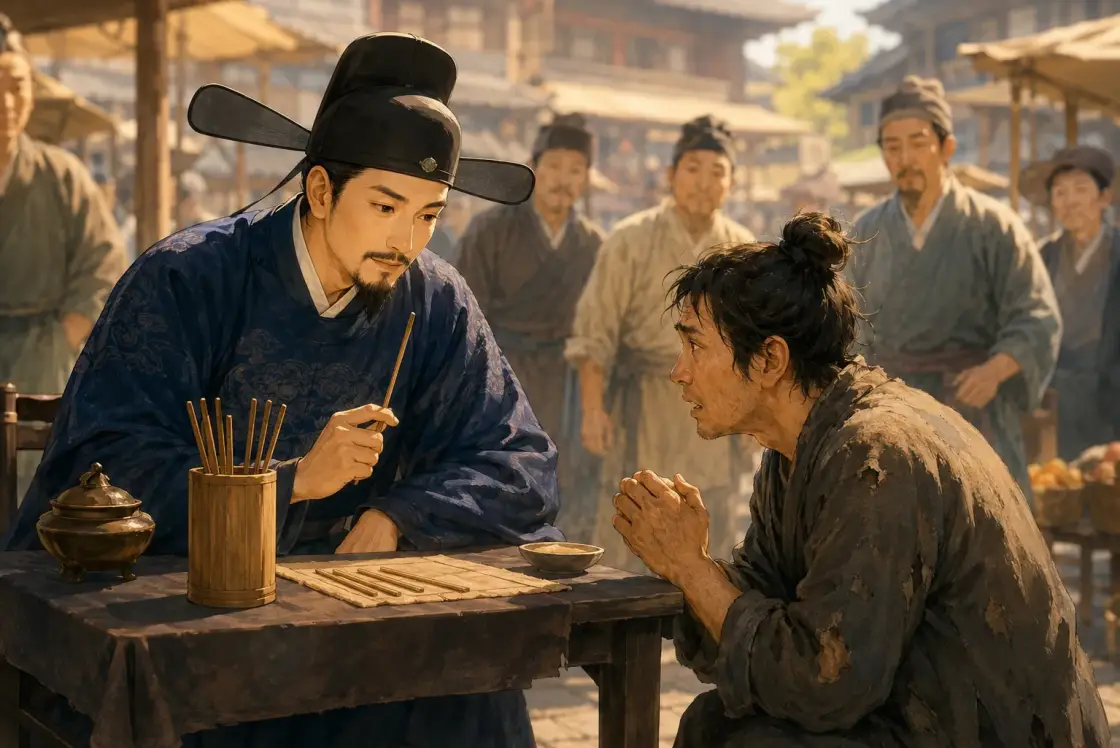 Fifteen Strings of Cash (Part 1)明朝的時候,城裡住著一個賣肉的人,叫…
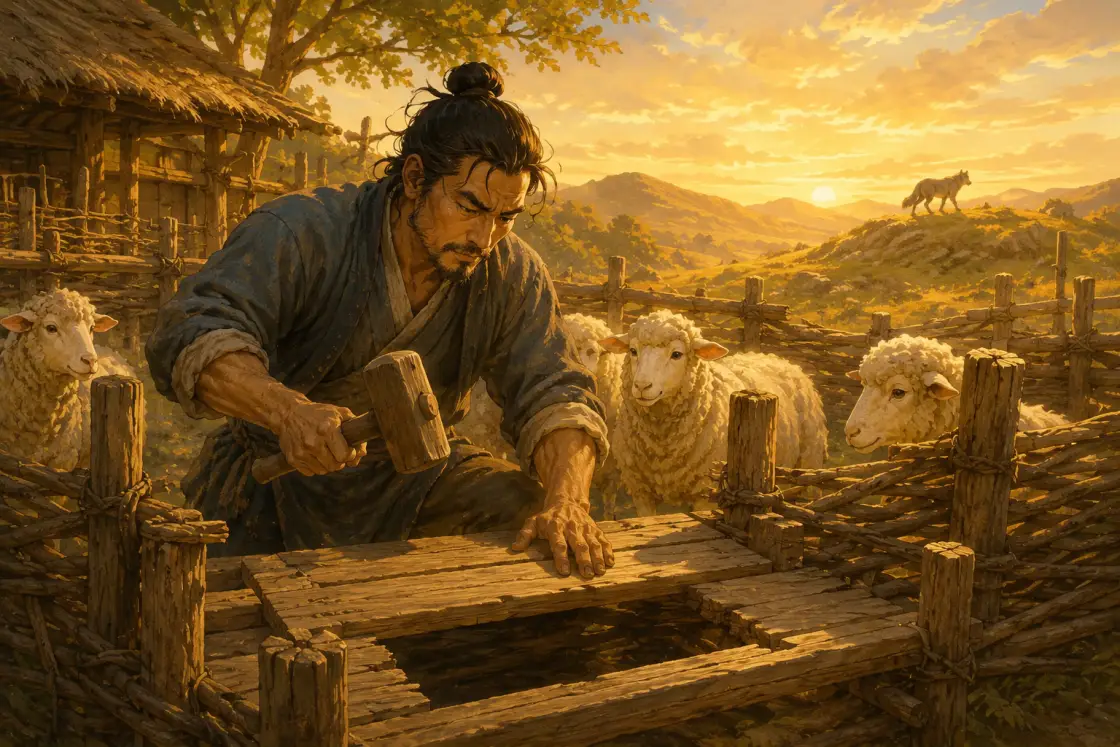 Mending the Sheep Pen從前,有一個人養了很多羊。他的羊圈上…
 The Man Who Measured His Feet從前,鄭國有一個人想買鞋。在家裡,他…
 The Engineer's Night (Part 2)林工程師負責寫App的程序。每天早上…
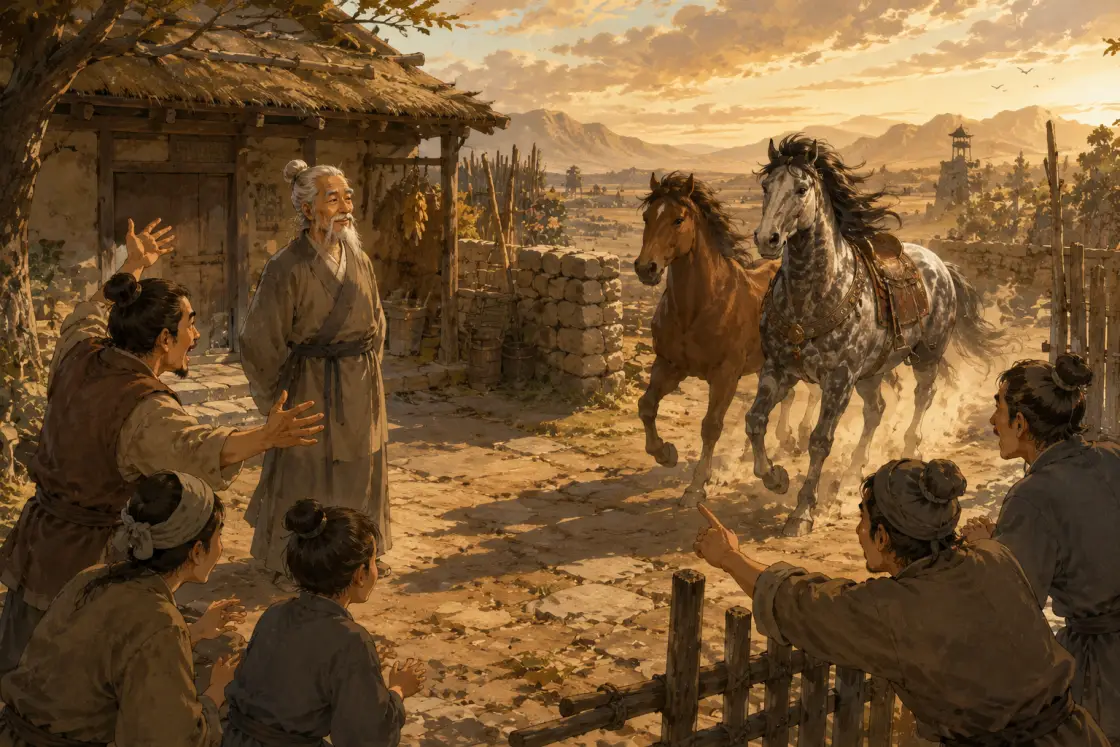 The Old Man's Horse從前,有一個老人,他有一匹馬。一天…
 The Boy Who Cried Wolf從前,有個孩子在山上放羊。他大叫…
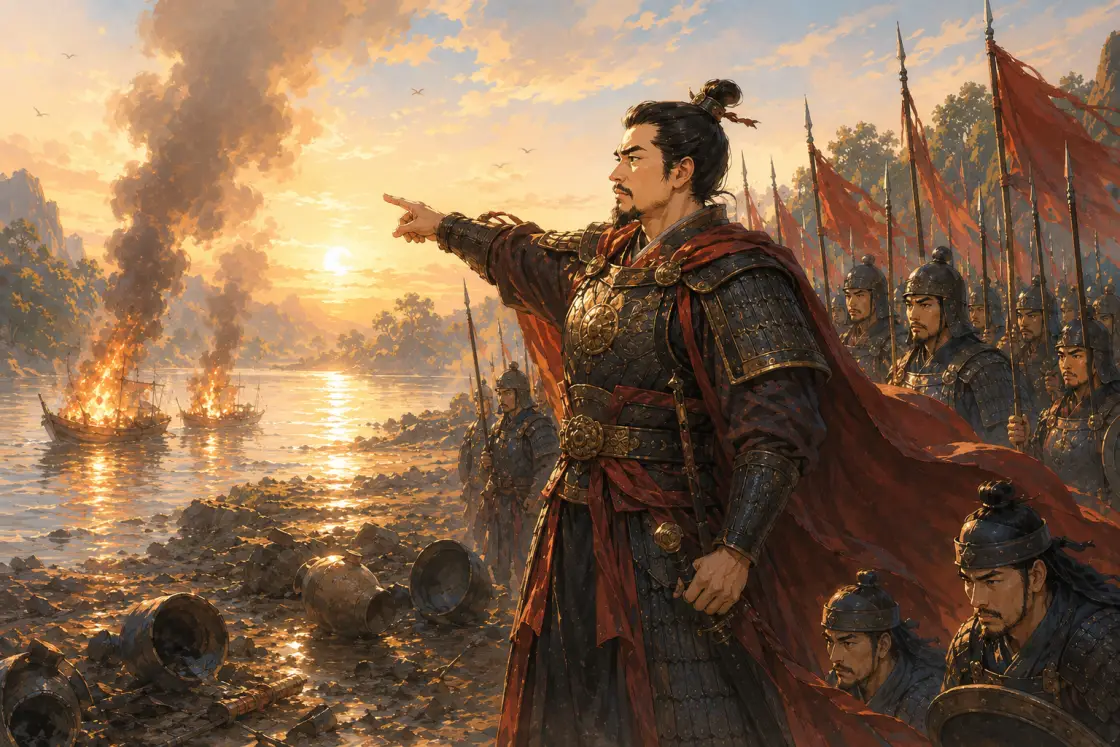 No Way Back很久以前,有一個將軍。他帶著士兵過了…
 Moving the Mountain很久以前,有一個老人,叫愚公。他家門…
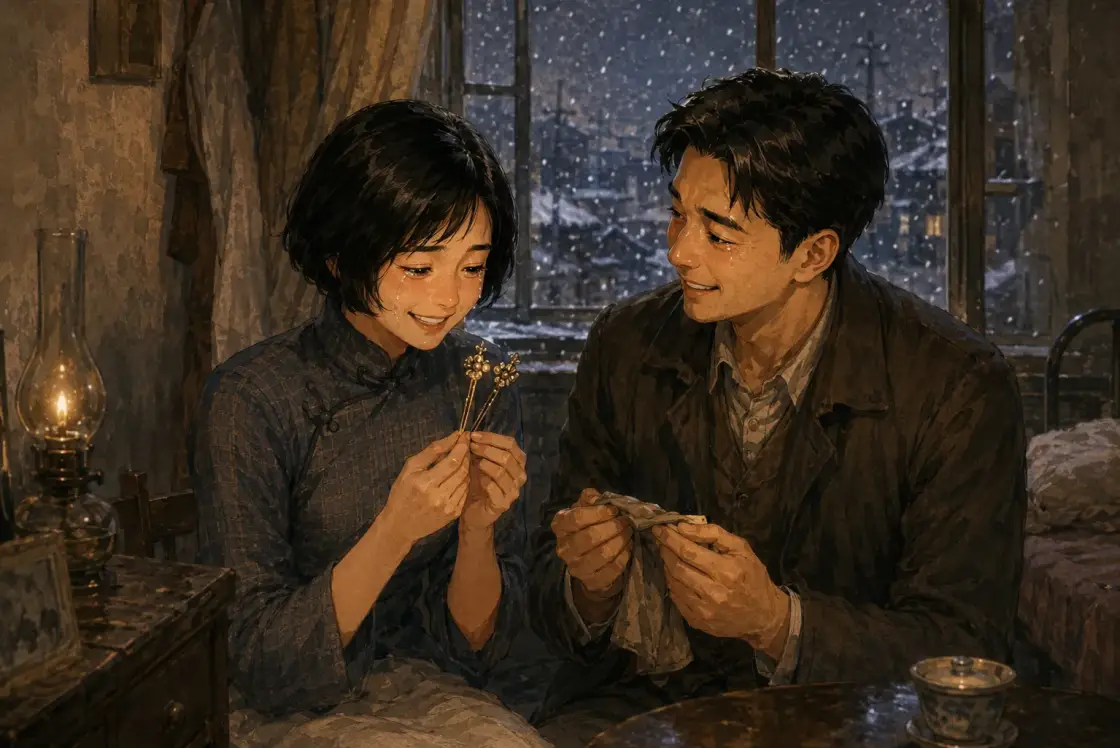 The New Year Gift很多年以前的上海,冬天特別冷。阿俊和…
- The Big Project (Part 1)星期一早上,小郭坐地鐵去公司。今天有…
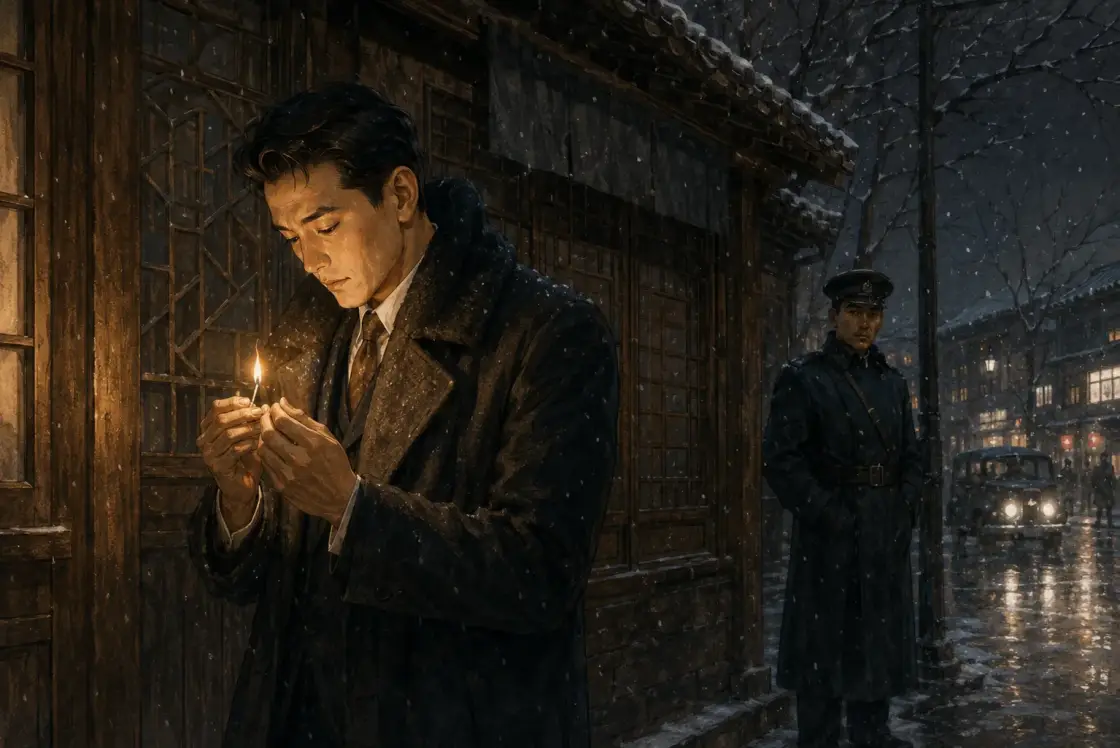 After Twenty Years二十年前,阿龍和大偉是最好的朋友。他…
 The Box and the Pearl從前,有個人要賣一顆珍珠。珍珠很貴…
Adapted Classics 9 stories
 On Saving Time兩千年前,在羅馬,住著一位老哲學家…
- On True Friendship在羅馬,老哲學家塞內卡又拿起了筆。這…
 The Death of Mrs. Fan (Part 1)我是一個醫生,住在江邊的一個小城裡…
- Dinner at the An House (Part 2)第二天下午,安老爺派人送來一封信,請…
- The Visitor (Part 1)上海白鴿街221號,住著一位有名的偵…
- The Legend (Part 2)莫醫生喝完茶,從包裡拿出一張很舊的紙…
 The Dawn Visitor (Part 1)那年春天的一個早晨,天還沒有完全亮…
- The Sister's Last Words (Part 2)周蘭喝了一口熱茶,開始講那天晚上的事…
 The General Who Hated War兩千五百年前,中國有一位很特別的將軍…
Character Stories 3 stories
 The Careless Security Guard (Part 1)早上七點,阿亮走進商場。他又忘了帶水…
- The Missing Walkie-Talkie (Part 2)阿亮正在樓裡巡邏,突然發現自己的對講…
 The First Warm Moment (Part 2)小白正在吃女孩放的飯。他吃得很慢,好…
Chinese Idioms 3 stories
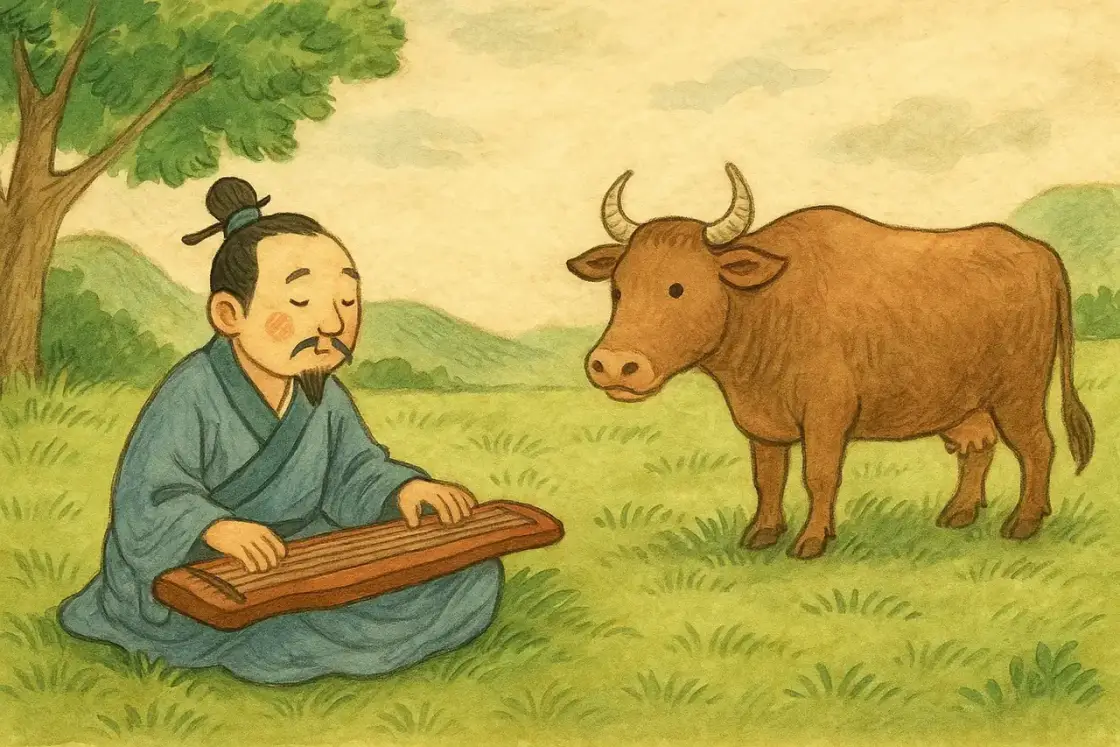 Playing the Qin to a Cow很久以前,有一個人會彈琴。他覺得自己…
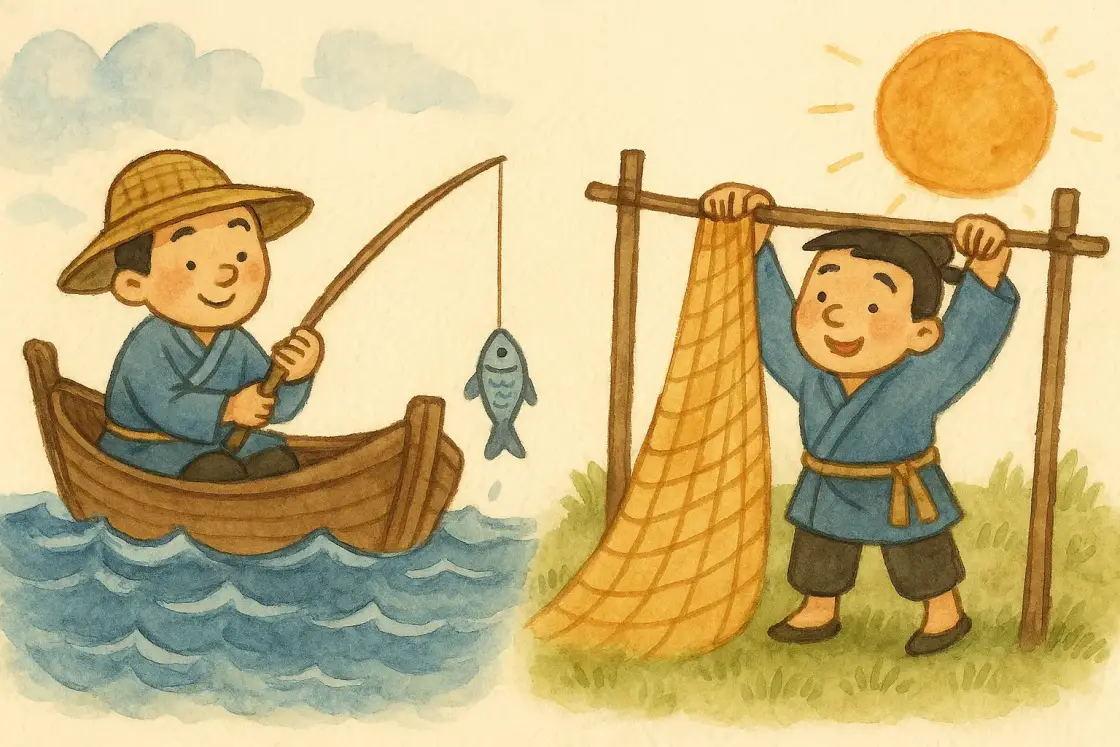 Three Days Fishing, Two Days Drying Nets從前,有一個年輕的漁夫。他對自己說…
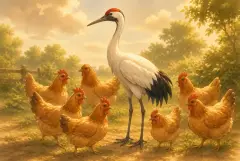 The Crane Among Chickens很久以前,在中國有一個農夫,他家裡養…
Book Summaries 4 stories
 Atomic Habits: One Percent Better (Part 1)有一本很有名的書,叫《原子習慣》,作…
 Mindset: Two Ways of Seeing Yourself (Part 1)你的能力是一塊石頭,還是一棵樹?有一…
 Deep Work: The Rarest Skill (Part 1)有一本書叫《深度工作》,作者是一位美…
 How to Win Friends: Don't Kick the Beehive (Part 1)有一本很有名的書,叫《人性的弱點》…
Classic Fables 5 stories
 The Train Full of Toys (Part 1)一列小火車拉著滿滿的車廂,要翻過高高…
- The Proud Engines (Part 2)不久,一個亮亮的新火車頭開來了。玩具…
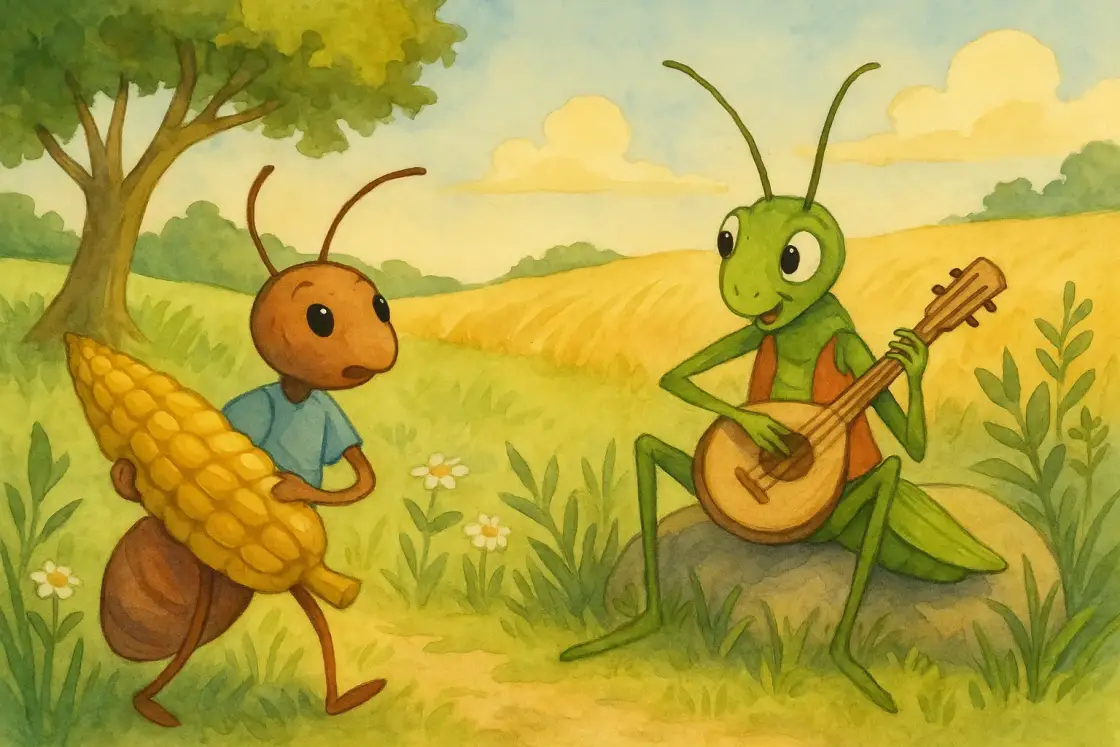 The Ant and the Grasshopper夏天的時候,螞蟻們每天都很忙。它們頂…
 The Sailor's Advice一個人在海邊遇見一個剛從海上回來的水…
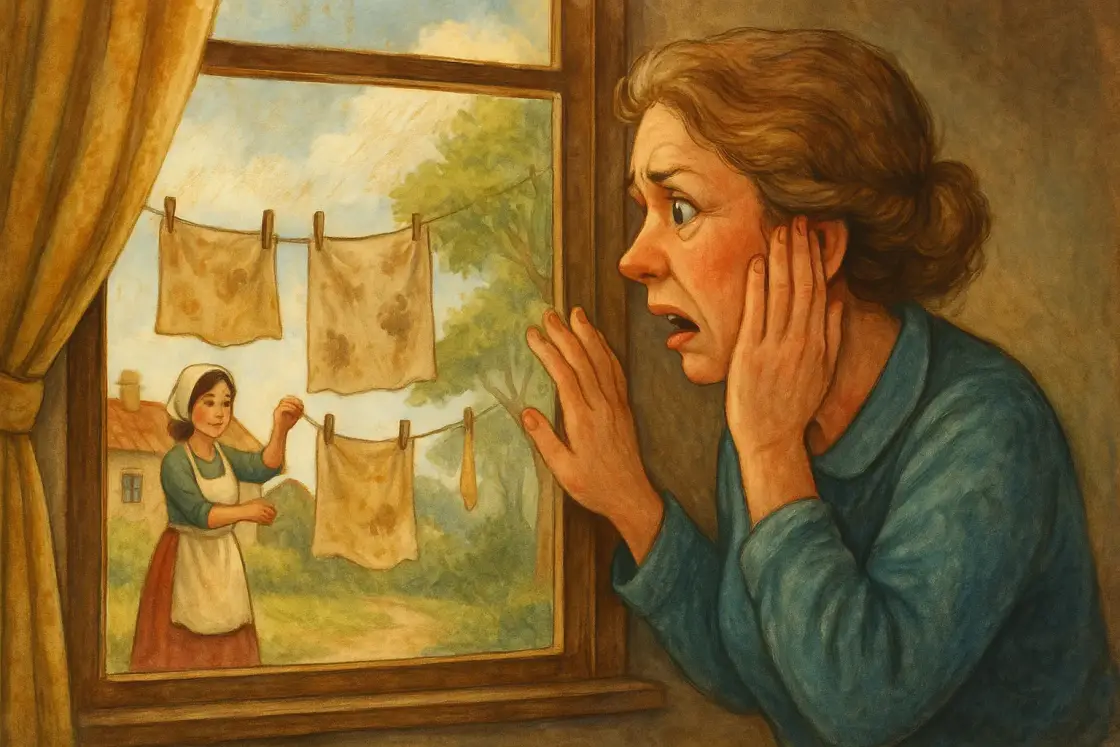 The Dirty Window一對年輕夫婦對面搬來了新鄰居。第二天…
Christian Stories 4 stories
- King Benjamin's Last Speech很久以前,有一個好國王,叫便雅憫王…
- Nephi and the Brass Plates很久以前,先知李海住在耶路撒冷。城裡…
- Noah and the Great Flood很久很久以前,有一個人叫挪亞。那時候…
- Abraham's Great Test很久以前,有一個人叫亞伯拉罕。他和妻…
Historical Figures 4 stories
 Li Bai: The Sword and the Wine Cup (Part 1)七零一年,李白出生了,那正是唐朝最好…
 Zheng He: From Captive to Admiral (Part 1)六百多年前,鄭和出生在雲南,那時他的…
 Confucius: The Teacher Who Turned No One Away (Part 1)兩千五百多年前,中國還沒有皇帝,而是…
 Su Dongpo: The Most Talented Man in the Song (Part 1)九百多年前的宋朝,蘇東坡出生在四川眉…
More Stories 1 story

Key HSK 3 words in these stories
The HSK 3 words (HSK 3.0 list) that turn up most often across these stories, in Traditional characters with pinyin and zhuyin. Learn these first and you will meet each of them again and again. Browse the full HSK 3 word list for everything else.
- 把bǎㄅㄚˇto holdin 49 of 129 stories
- 可是kě shìㄎㄜˇ ㄕˋbutin 45 of 129 stories
- 會简 会kuàiㄎㄨㄞˋ(bound form) to reckon accountsin 41 of 129 stories
- 又yòuㄧㄡˋagainin 36 of 129 stories
- 先xiānㄒㄧㄢfirstin 25 of 129 stories
- 還简 还huánㄏㄨㄢˊto returnin 23 of 129 stories
- 地dìㄉㄧˋearthin 23 of 129 stories
- 然後简 然后rán hòuㄖㄢˊ ㄏㄡˋthenin 21 of 129 stories
- 得děiㄉㄟˇmustin 20 of 129 stories
- 起qǐㄑㄧˇto get upin 17 of 129 stories
- 心裡简 心里xīn liㄒㄧㄣ ˙ㄌㄧinside (one’s heart)in 17 of 129 stories
- 一樣简 一样yī yàngㄧˊ ㄧㄤˋsamein 17 of 129 stories
- 最後简 最后zuì hòuㄗㄨㄟˋ ㄏㄡˋfinalin 17 of 129 stories
- 發現简 发现fā xiànㄈㄚ ㄒㄧㄢˋto discoverin 16 of 129 stories
- 用yòngㄩㄥˋto usein 16 of 129 stories
- 以後简 以后yǐ hòuㄧˇ ㄏㄡˋin the futurein 16 of 129 stories
- 同事tóng shìㄊㄨㄥˊ ㄕˋcolleaguein 15 of 129 stories
- 後來简 后来hòu láiㄏㄡˋ ㄌㄞˊafterwardsin 15 of 129 stories
- 老lǎoㄌㄠˇoldin 15 of 129 stories
- 別人简 别人bié renㄅㄧㄝˊ ㄖㄣˊother peoplein 15 of 129 stories
- 決定简 决定jué dìngㄐㄩㄝˊ ㄉㄧㄥˋto decidein 14 of 129 stories
- 馬上简 马上mǎ shàngㄇㄚˇ ㄕㄤˋright awayin 14 of 129 stories
- 特別简 特别tè biéㄊㄜˋ ㄅㄧㄝˊspecialin 14 of 129 stories
- 更gèngㄍㄥˋmorein 14 of 129 stories
More HSK 3 stories in Traditional, with Taiwan Mandarin audio
The Literate Chinese app has 383 more stories at this estimated level beyond the 129 here, out of 1,000+ graded stories, all available in Traditional characters. It tracks the words you actually know and shows how familiar each story is, so you can pick ones that are just hard enough.
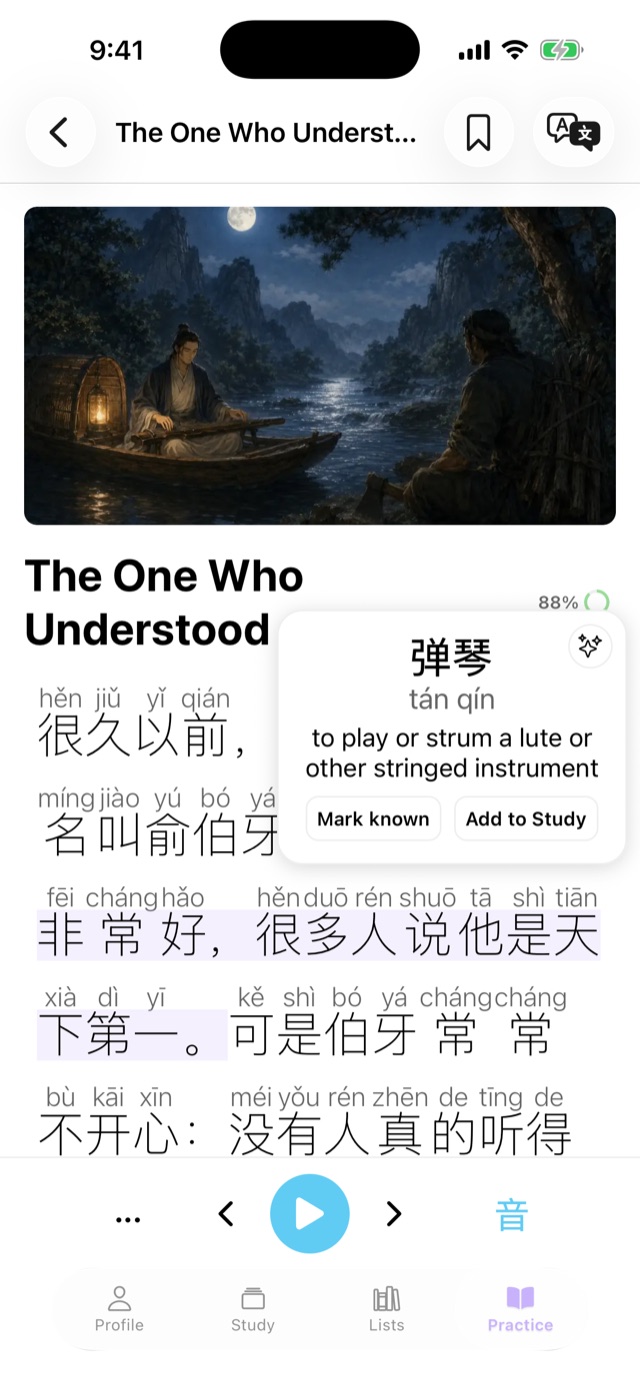
Every story can be narrated in Taiwan Mandarin, shown with zhuyin inline or in the vertical layout Taiwanese books use, and any word you tap can become a flashcard.


Frequently asked questions
Is traditional Chinese harder to read?
A little harder to write, not much harder to read. Traditional characters have more strokes, and in the 129 stories on this page 28% of the characters you read look different from their Simplified forms (學/学, 車/车, 嗎/吗). But reading is recognition, not writing: the extra components often make a character more distinctive (愛 keeps its 心, heart), and after you have seen a form a few hundred times in sentences, stroke count stops mattering. The stories are the same graded stories as the Simplified pages, so apart from the script the difficulty is the same.
Which level should I start at for TOCFL?
Roughly: TOCFL Band A (Levels 1–2) is close to HSK 1–2, Band B (Levels 3–4) to HSK 3–4, and Band C to HSK 5 and above. This page fits TOCFL Band B. If you are new, start with the beginner path; if a story here feels easy, move up a level. The match is approximate because the two exams use different word lists. See our TOCFL guide.
Can I read these stories with zhuyin?
Yes. Turn on Pronunciation and choose Zhuyin (ㄅㄆㄇ) above any story on this page. The zhuyin comes from the same dictionary as the app, so it uses Taiwan readings where that dictionary lists them, and it prints 一 and 不 with their changed tones, as Taiwanese books do. The individual story pages show pinyin; the app has zhuyin, including the vertical layout, on every story. New to zhuyin? Start with our zhuyin guide.
How many characters do I need for HSK 3 reading?
The 2026 HSK 3.0 syllabus has 997 words through HSK 3, written with 655 different characters, and they are the same words in Traditional. You can start well before you know them all: 91% of the characters in these 129 stories are HSK 1–3 characters, and any word is one tap away from its meaning.
Will the stories stay in Traditional when I open them?
Yes. Opening a story from this page keeps Traditional characters on, and every story page has the same 简/繁 switch, which remembers your choice.
Also useful: Not sure of your level? Take the 2-minute character test · HSK 3 word list · TOCFL guide · Learn zhuyin · Zhuyin reading practice · HSK 3 stories in Simplified · All traditional reading practice