
HSK 4 Traditional Chinese Stories: 48 with Zhuyin & Pinyin
Every free story on this site at an estimated HSK 4 level, shown in Traditional characters (繁體字) and sorted easiest first. Switch the pronunciation guide between pinyin and zhuyin, tap any word for its meaning, and flip to Simplified any time. No sign-up.
- 48free stories
- 27%of characters look different from Simplified
- 1,096characters through HSK 4
- 261characters in a typical story
简 Prefer Simplified? Same stories in SimplifiedTest yourself: HSK 4 reading comprehension
What HSK 4 reading looks like in Traditional characters
HSK 4 adds abstract and written-register language: 既然, 不管…都, 連…都, 只要…就, 儘管, 對…來說, and many two-character nouns for ideas rather than things. Stories carry explanations and longer arcs, and nonfiction appears: historical figures, business stories and book summaries. This is roughly where TOCFL Band B (進階級 and 高階級) sits.
- 48 free stories at this level, 65–509 characters each (typically 261).
- 27% of the characters you read in them are written differently in Traditional than in Simplified; the rest are identical.
- 1,994 words / 1,096 characters in the 2026 HSK 3.0 lists through HSK 4, and 90% of the characters in these stories come from them.
- Pinyin or zhuyin on tap, Taiwan quotation marks (「」), and a Simplified switch if you need to compare.
Which TOCFL level is HSK 4?
| TOCFL | TOCFL levels | ≈ HSK | Read here |
|---|---|---|---|
| Band A | Level 1 入門級 (A1), Level 2 基礎級 (A2) | 1–2 | Beginner path, HSK 1, HSK 2 |
| Band B | Level 3 進階級 (B1), Level 4 高階級 (B2) | 3–4 | HSK 3, HSK 4 (this page) |
| Band C | Level 5 流利級 (C1), Level 6 精通級 (C2) | 5+ | HSK 5–6 (use the 繁 switch) |
The match is approximate: TOCFL and HSK use different word lists and test formats, and our story levels are estimates on the HSK 3.0 scale. See the TOCFL guide for the exam itself.
New to this level, or not sure you're at it? Try the intermediate picks (series and nonfiction worth reading next), or take the 2-minute character test to see where you are.
Read 3 HSK 4 stories right now
Pronunciation off first, then turn it on for any sentence that stops you. Choose pinyin or zhuyin; tap any word for its meaning, and check yourself with Translation and the quiz under each story. Your settings carry over to every story.

1Finding Inspiration (Part 1)
Lifestyle influencer Lin Mi looks for inspiration for her next video.
林米是一位生活類網紅,她每天都要想新的內容,讓觀眾覺得有趣,也讓自己保持動力。Lin Mi is a lifestyle influencer. Every day she has to think of new content that keeps her audience interested and keeps herself motivated.今天早上,她坐在廚房,看著手機上的留言,想從大家的要求中找到靈感。This morning, she sat in the kitchen and looked at the comments on her phone, hoping to find inspiration from her followers' requests.
有人想看她做早餐,有人想看她分享穿搭,還有人想聽她講生活小故事。Some want to see her make breakfast; some want her to share outfits; others want to hear short daily stories.她笑著說:「大家的點子很多,但我今天只想做一個輕鬆的影片。」She laughed and said, "Everyone has so many ideas, but today I just want to make something relaxing."
想了好一會兒,她決定拍一部關於「如何開始美好早晨」的短片。After thinking for a while, she decided to film a short video about "how to start a good morning."她拿起手機走到窗邊,看著溫暖的陽光,心裡覺得今天一定會是好日子。She picked up her phone and walked to the window. Seeing the warm sunlight, she felt it would be a good day.
她說:「先從一杯熱茶開始吧,這樣大家一定會喜歡。」She said, "Let's start with a cup of hot tea. Everyone will like that."
Check your understanding
林米每天為什麼要想新的內容?
今天早上,林米坐在廚房做什麼?
林米決定今天拍什麼樣的短片?
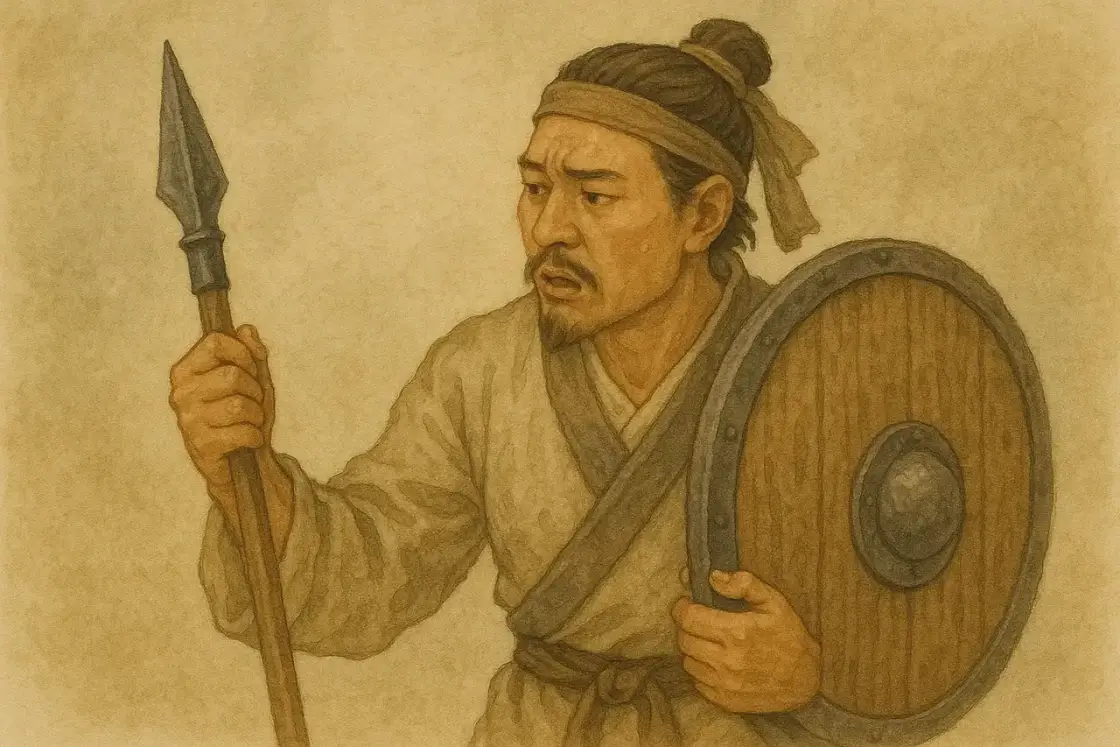
2The Shield and the Spear
Story behind the idiom: 自相矛盾 - self-contradictory spear and shield
很久以前,在中國有一位賣武器的商人。A long time ago, in China, there was a merchant who sold weapons.有一天,他在市場裡賣東西。One day, he was selling things in the market.
他拿起一面大盾牌,大聲對大家說:「大家快來看!我的盾牌是世界上最堅固的,什麼東西都刺不穿它!」He picked up a large shield and loudly said to everyone: "Everyone, come quickly and see! My shield is the strongest in the world; nothing can pierce it!"
接著,他又舉起一支長矛,得意地說:「大家再來看!我的長矛是世界上最鋒利的,不管什麼東西它都能刺穿!」Then, he proudly raised a spear and said: "Everyone, look again! My spear is the sharpest in the world; it can pierce anything!"
人群中有人覺得奇怪,就問他:「如果你用你最鋒利的長矛去刺你最堅固的盾牌,會發生什麼事呢?」Someone in the crowd found it strange and asked him: "If you use your sharpest spear to pierce your strongest shield, what would happen?"
這位商人聽了以後,不知道怎麼回答,因為他的兩句話不可能同時成立。After hearing this, the merchant didn't know how to respond, because his two statements could not both be true at the same time.
他尷尬得說不出話來。He became speechless with embarrassment.
今天,人們用成語「自相矛盾」來形容一個人說的話或做的事前後矛盾,自己跟自己衝突。Today, people use the idiom "self-contradictory spear and shield" to describe someone whose words or actions are inconsistent, conflicting with themselves.
例如,小美常跟朋友說:「我最近要好好省錢。」可是她卻一直買很貴的衣服和包包。For example, Xiaomei often says to her friends: "I recently want to save money." But she keeps buying expensive clothes and bags.這就是「自相矛盾」,因為她說的和做的完全不一樣。This is "self-contradictory spear and shield," because what she says and what she does are completely different.
Check your understanding
商人說他的盾牌和長矛怎麼樣?
為什麼商人說不出話來?
下面哪件事是「自相矛盾」?

3Sima Qian: His Father's Last Wish (Part 1)
A historian's son roams the empire collecting old stories, then makes a deathbed promise that will cost him everything.
兩千多年前,中國是漢朝的天下。More than two thousand years ago, China was ruled by the Han dynasty.在皇帝的朝廷裡,有一位專門記錄歷史的史官,他的兒子叫司馬遷。At the emperor's court there was an official whose job was to record history, and his son was named Sima Qian.
司馬遷小時候在黃河邊長大,一邊放羊,一邊讀書。Sima Qian grew up by the Yellow River, tending sheep and studying at the same time.父親常常對他說:「歷史不能忘,一定要有人把它記下來。」His father often told him: "History must not be forgotten — someone has to write it down."
二十歲那年,司馬遷離開家,開始了一次很長的旅行。The year he turned twenty, Sima Qian left home and set out on a very long journey.他去了很多地方,收集古時候的故事,聽老人們講過去的英雄。He went to many places, collecting stories from ancient times and listening to old people tell of the heroes of the past.他到過孔子的家鄉,也去過屈原跳江的地方。He visited the hometown of Confucius, and the place where Qu Yuan leapt into the river.
幾年後,他回到朝廷,成了一名官員。A few years later, he returned to the court and became an official.可是有一天,壞消息傳來了:父親病得很重。But one day, bad news arrived: his father was gravely ill.
司馬遷趕到父親床前,父親拉著他的手,哭著說:「我們家世世代代都是史官。」Sima Qian rushed to his father's bedside. His father took his hand and said, weeping: "For generation after generation, our family have been historians."「我一直想寫一部完整的中國歷史,可是我寫不完了。」"I have always wanted to write a complete history of China, but I will never finish it now."「孩子,答應我,把這部史書寫完。」"My child, promise me — finish this history."
司馬遷低下頭,流著眼淚說:「父親,我一定完成您的心願。」Sima Qian bowed his head and said through his tears: "Father, I will fulfill your wish."
三年後,司馬遷成了漢武帝的史官,開始寫那部偉大的書——《史記》。Three years later, Sima Qian became Emperor Wu of Han's historian and began writing that great book — the Records of the Grand Historian.他白天在朝廷工作,晚上就在燈下,一個字一個字地寫。By day he worked at court; by night, under the lamp, he wrote character by character.他不知道,一場可怕的災難正在向他走來。He did not know that a terrible disaster was coming toward him.
Check your understanding
司馬遷二十歲的時候做了什麼?
父親死前,讓司馬遷答應什麼?
司馬遷晚上做什麼?
Open “Sima Qian: His Father's Last Wish (Part 1)” on its own page →
How to practice reading at HSK 4 in Traditional
- Read in volume. Ten comfortable stories teach more new words than one hard one.
- When you meet a formal word (進行, 獲得, 影響), think of how you would say it casually. It builds both registers at once.
- Pick nonfiction on topics you already know in English. Background knowledge does half the work.
- Read a few stories in Simplified now and then. Knowing both scripts at this level costs little and opens far more reading material.
Grammar you will practice here
Patterns from our Chinese grammar guide that have a story on this page built around them:
- 連 + X + 都/也 + VerbEven: 连…都/也practiced in The Princess and the Pea
- 只要 A,就 B / 只有 A,才 BConditions: 只要…就 vs 只有…才practiced in Yu Gong Moves the Mountains
- 不管 / 無論 + Question form + 都/也No matter: 不管/无论…都practiced in The Shield and the Spear
- 即使 A,也 BEven if: 即使…也practiced in The Lion and the Mouse
- Subj. + 卻 + VerbBut/yet with 却practiced in The Little Mermaid
- A,要不然 / 否則 + BOtherwise: 要不然 and 否则practiced in Give Up Halfway
- Subj. + 既 + A + 又 + BBoth … and: 既…又…practiced in Cao Cao and the Plum Trees
- 不是 A,而是 BNot X but Y: 不是…而是…practiced in Fox Borrows Tiger's Might
All 48 HSK 4 stories in Traditional Chinese
Start with these 5
The five gentlest HSK 4 stories on this page that stand on their own, shortest and easiest first, each with a picture and a quick quiz.
- 1
 Lil Jon Takes the BusThe bus driver only needs to see Lil Jon's ticket. Lil Jon only needs to hear the question.
- 2Lil Jon Prepares for BedIt's bedtime, and Mom just wants to know if Lil Jon brushed his teeth. Lil Jon has some news about those…
- 3
 A New Route Begins (Part 1)A Qiang's Route: a bus driver's first morning on a new line.
- 4
 Finding a WayXiao Guo sent the wrong file, and the boss knows it. Can he fix it before the client notices?
- 5
 Morning Orders (Part 1)One Day in the City: delivery driver Chen Ming's ordinary morning crosses paths with a nurse, an influencer…
Grouped by theme and sorted from easiest to hardest within each group (by length and word difficulty). Parts of a series stay together and in order. Reading times are rough estimates at a comfortable HSK 4 pace. Stories open in Traditional characters.
Grammar in Context 3 stories
 A New Beginning (Part 1)早上六點,小農來到自己的小農場。他看…
- A Small Farm Problem (Part 2)下午,小農去看他昨天種下的種子。他蹲…
- A New Route Begins (Part 1)早上六點,阿強來到車站。今天是新的路…
Daily Life & Work 11 stories
- Lil Jon Gets Ready for the Day小約翰的鬧鐘響得很大聲。他迅速坐起身…
- Lil Jon Takes the Bus在公交車站,司機問:“您有票嗎,先生…
- Lil Jon Orders Lunch在麥當勞,收銀員問:“你要點餐嗎…
- Lil Jon Records a Song在錄音室裡,朋友問:“小約翰,你準備…
- Lil Jon Goes to the Gym在健身房,教練問:“你準備好鍛鍊了嗎…
- Lil Jon Prepares for Bed晚上,媽媽問:你刷牙了嗎,小約翰?小…
 The Breakfast Rush (Part 2)早上最忙的是早餐時間。有客人點麵條…
- Finding Inspiration (Part 1)林米是一位生活類網紅,她每天都要想新…
- The Morning Video (Part 2)林米準備開始拍“美好早晨”的影片,她…
- Morning Orders (Part 1)早上七點,陳明穿上黃色外套,戴上安全…
- Fire in the Kitchen (Part 2)中午十二點,張師傅的餐廳很熱鬧。他一…
AP Chinese Themes 4 stories
 The Model Has a Problem (Part 2)下午,李明的模型終於跑完了,可是結果…
 Pictures vs. Reality (Part 2)週末之前,小林先在手機上仔細看了那三…
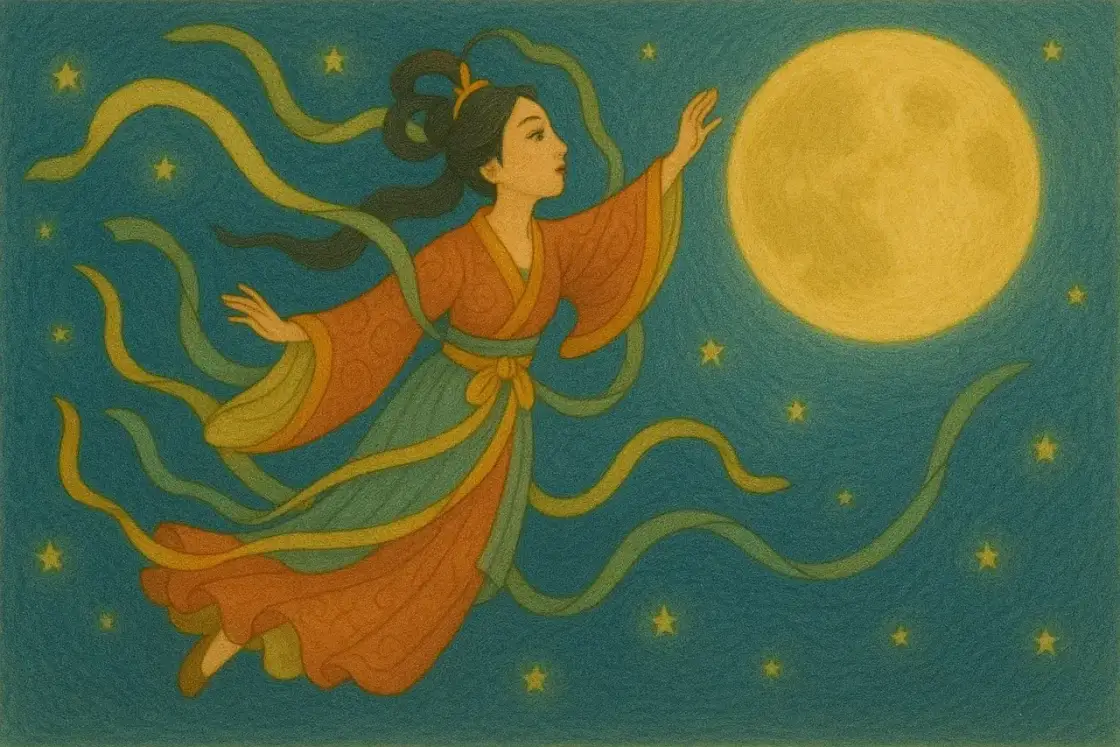 Chang'e Flies to the Moon很久以前,天上突然出現十個太陽!大地…
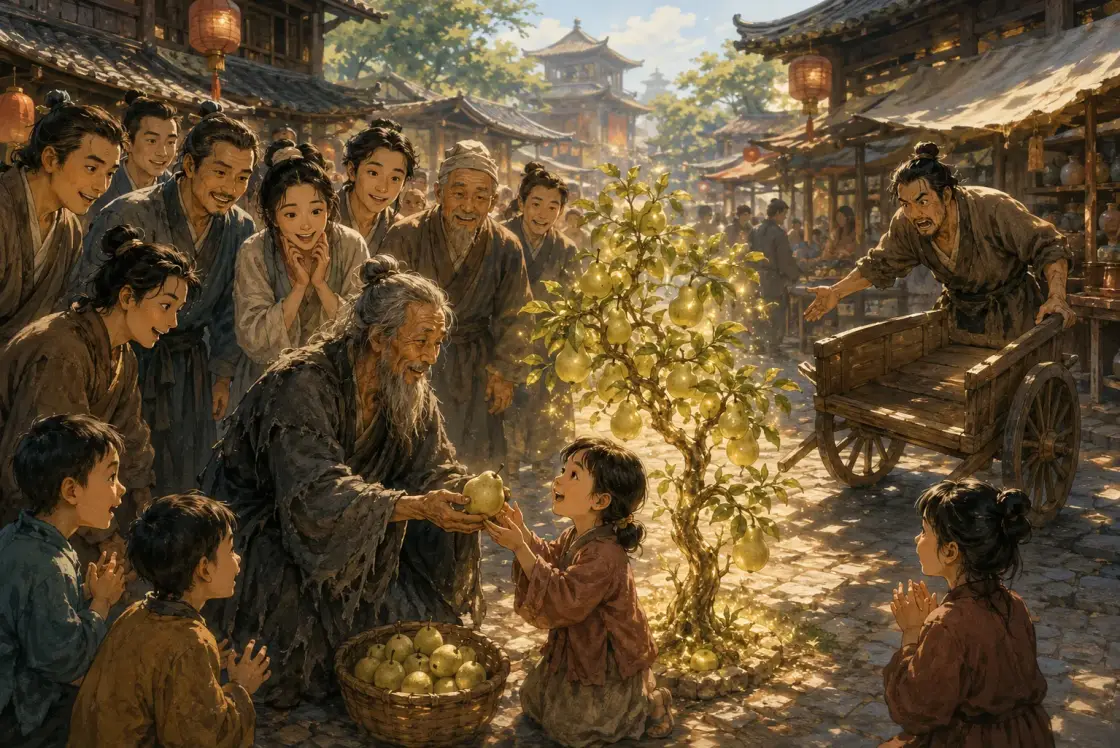 The Pear Seller很久以前,在一個小城的集市上,有一個…
Chinese Idioms 13 stories
- The Shield and the Spear很久以前,在中國有一位賣武器的商人…
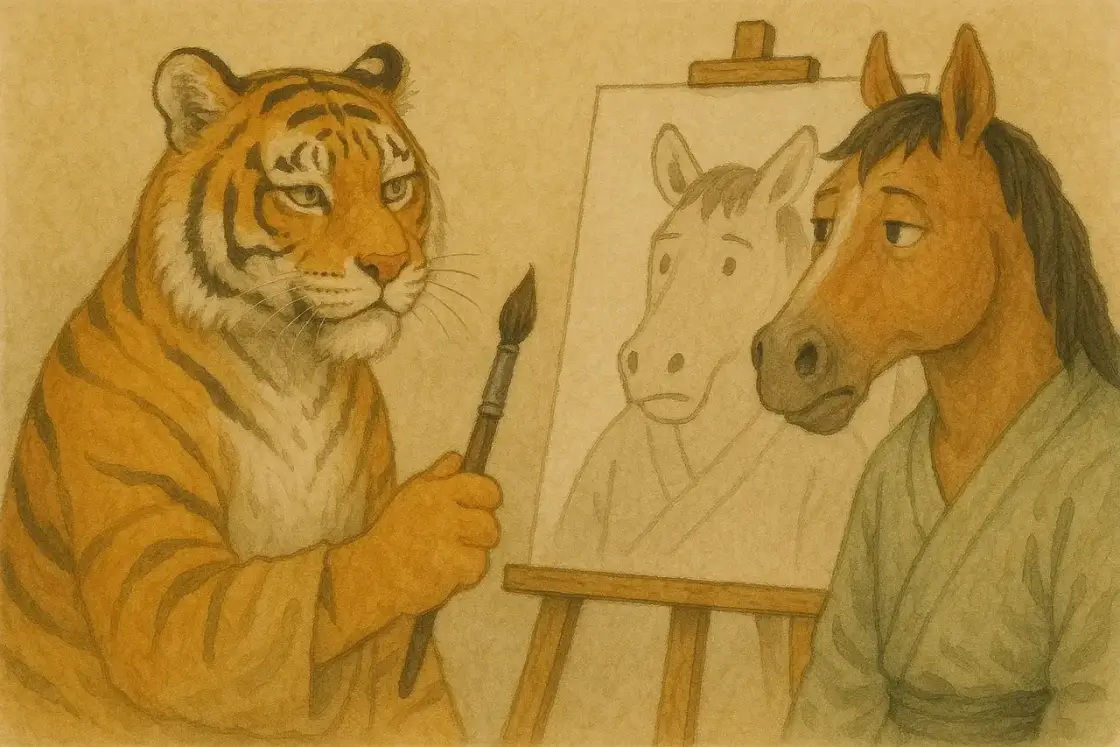 The Painter and the Horse-Tiger從前有一位畫家,他擅長畫動物。有一天…
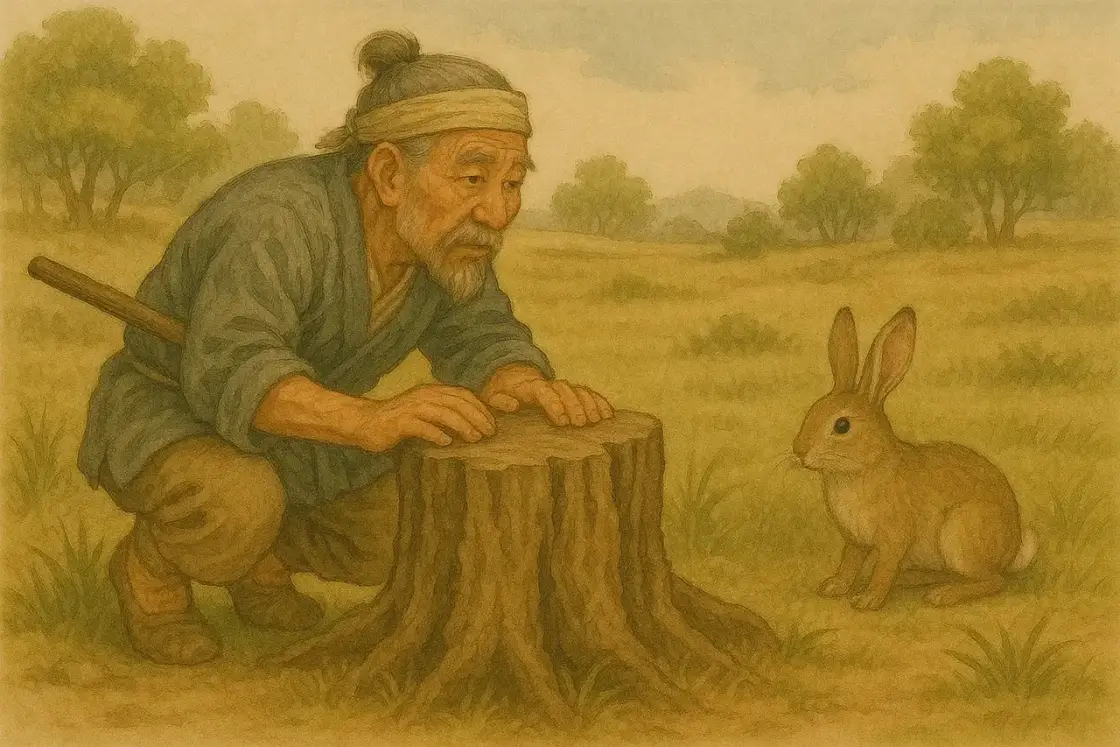 The Farmer and the Rabbit很久以前,在中國有一個農夫,他每天都…
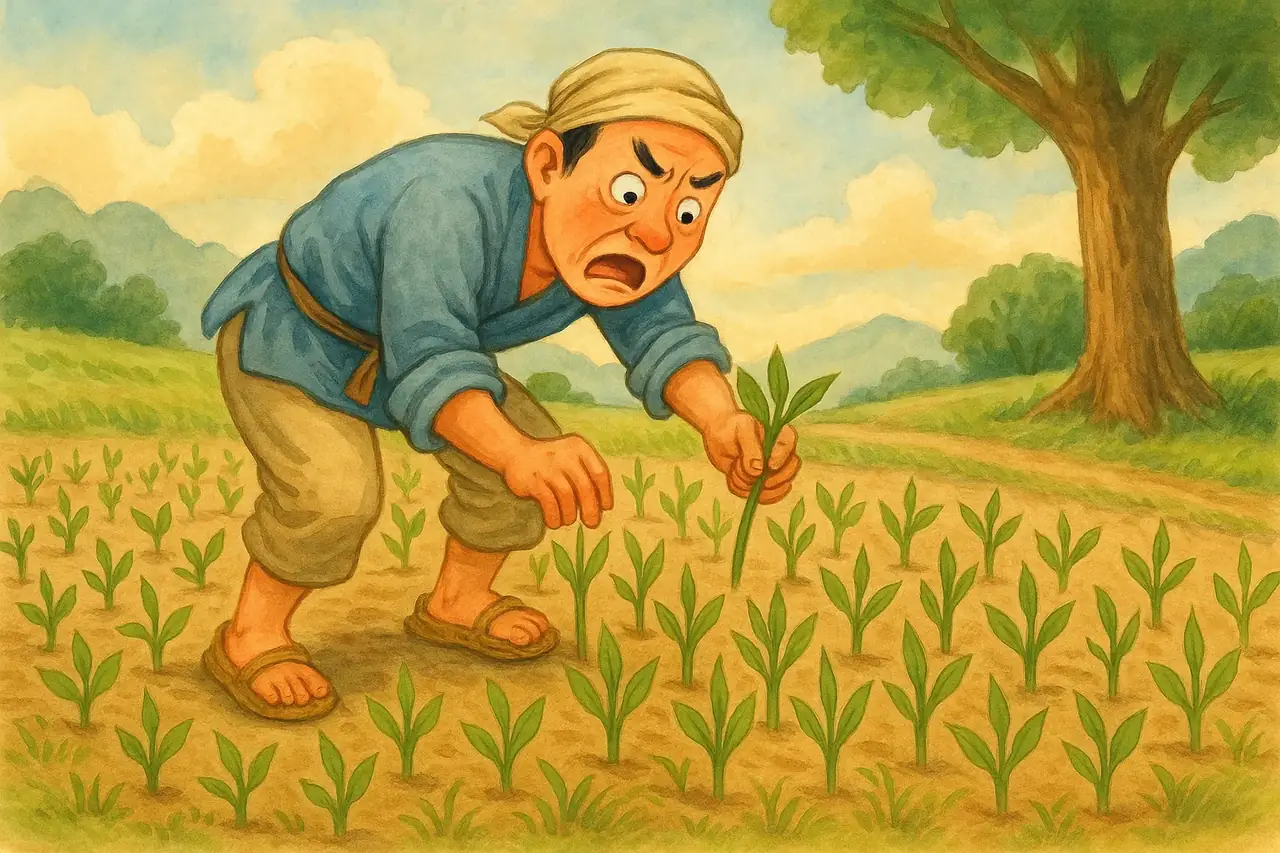 The Impatient Farmer從前有個農民。他每天都很著急。他希望…
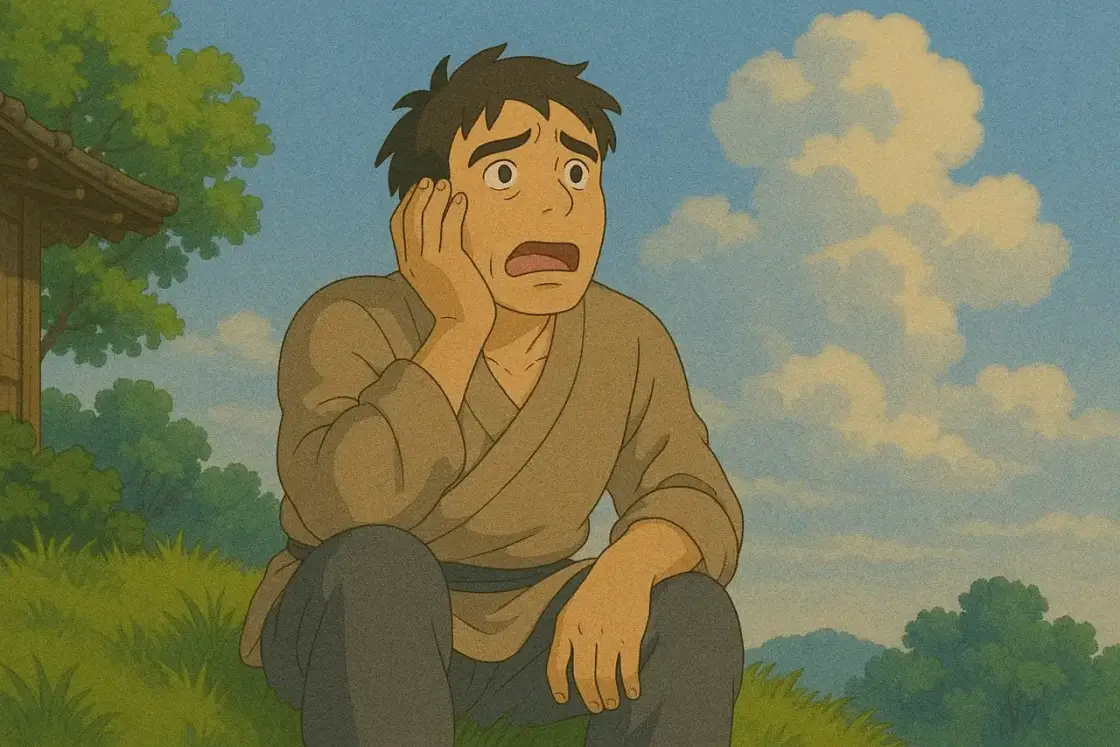 The Sky-Fearing Man of Qi很久很久以前,杞國有個人天天抬頭看天…
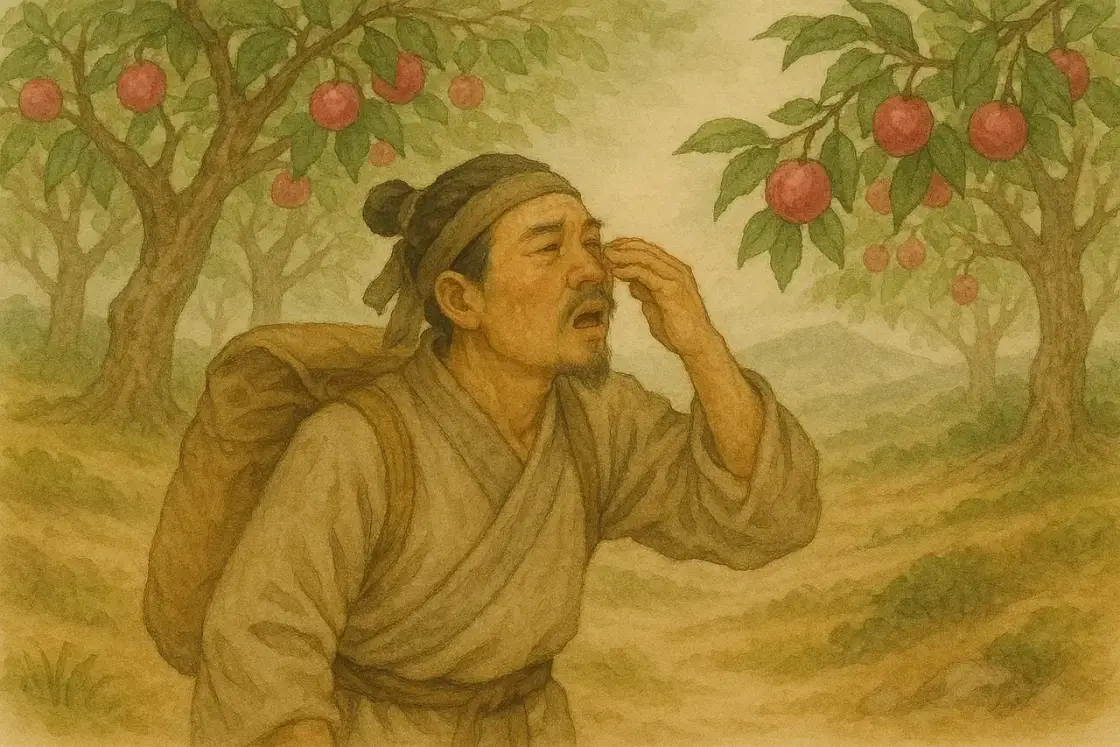 Cao Cao and the Plum Trees很久以前,在中國有一位很有名的將軍曹…
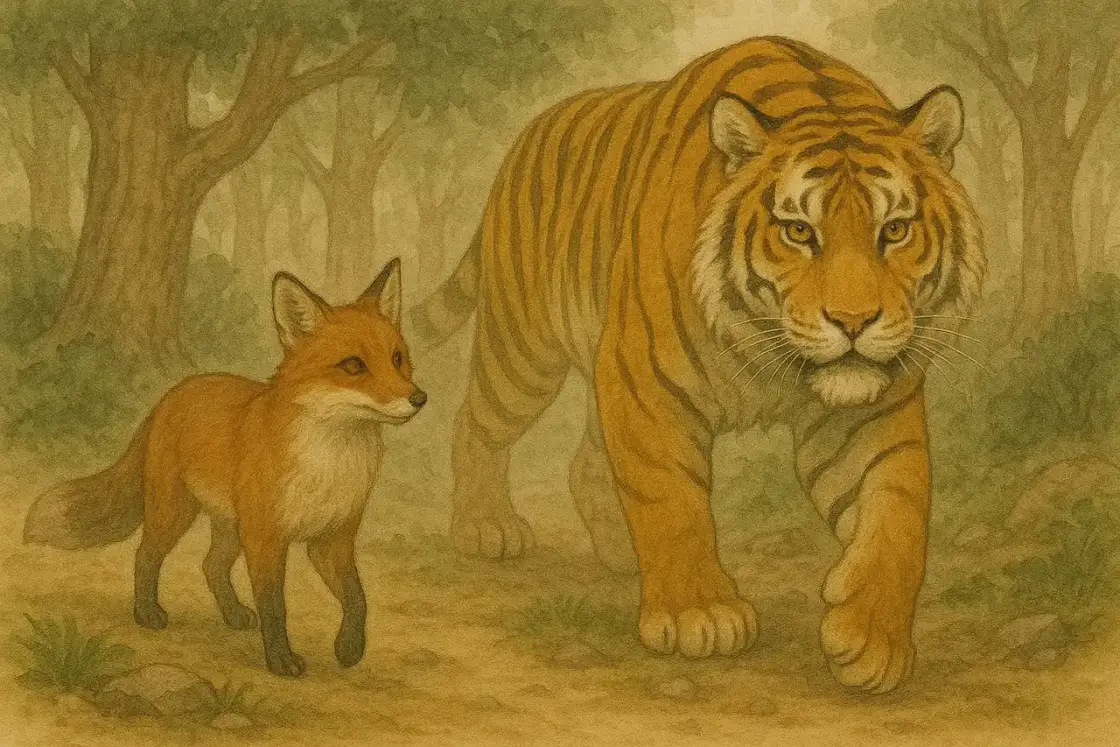 Fox Borrows Tiger's Might很久以前,在中國的一片森林裡,住著一…
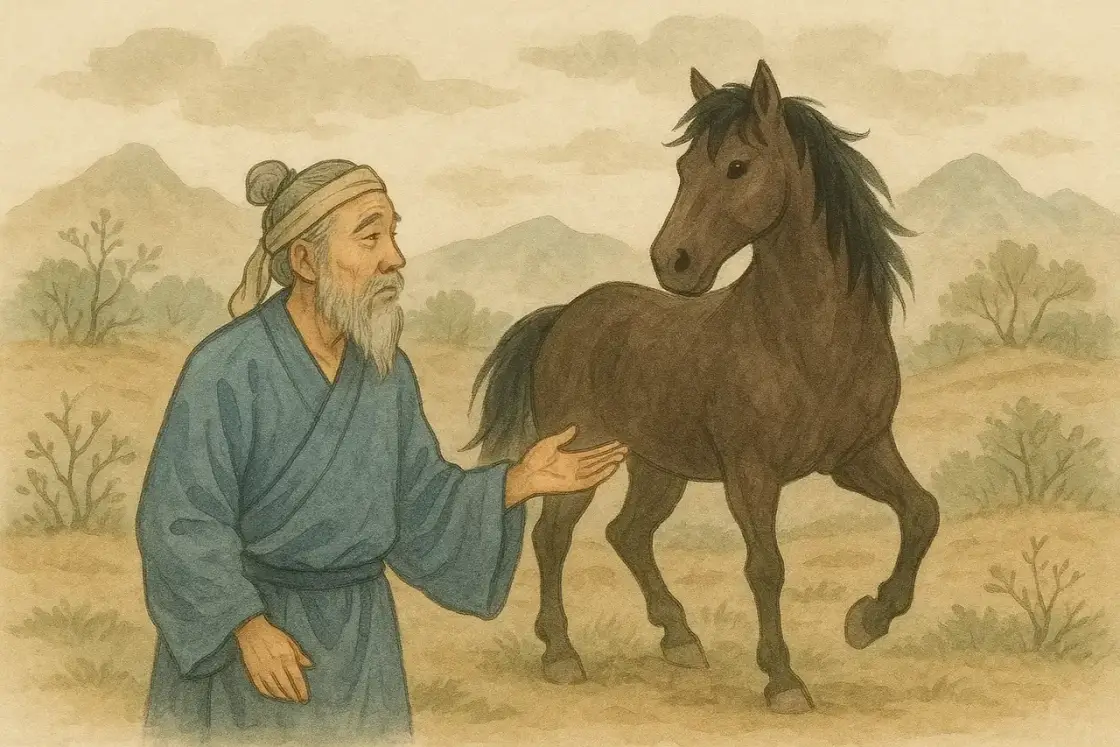 Sai Weng Loses His Horse很久以前,在中國的邊境,有一個老人叫…
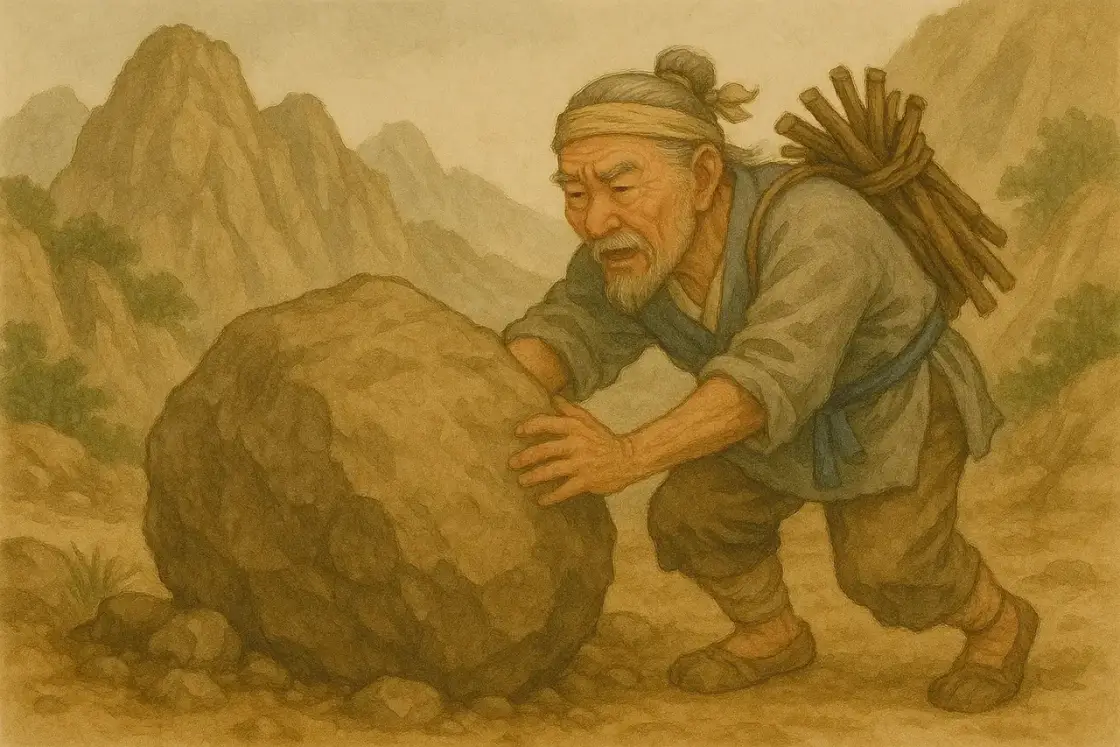 Yu Gong Moves the Mountains很久以前,在中國有一位老人,名叫愚公…
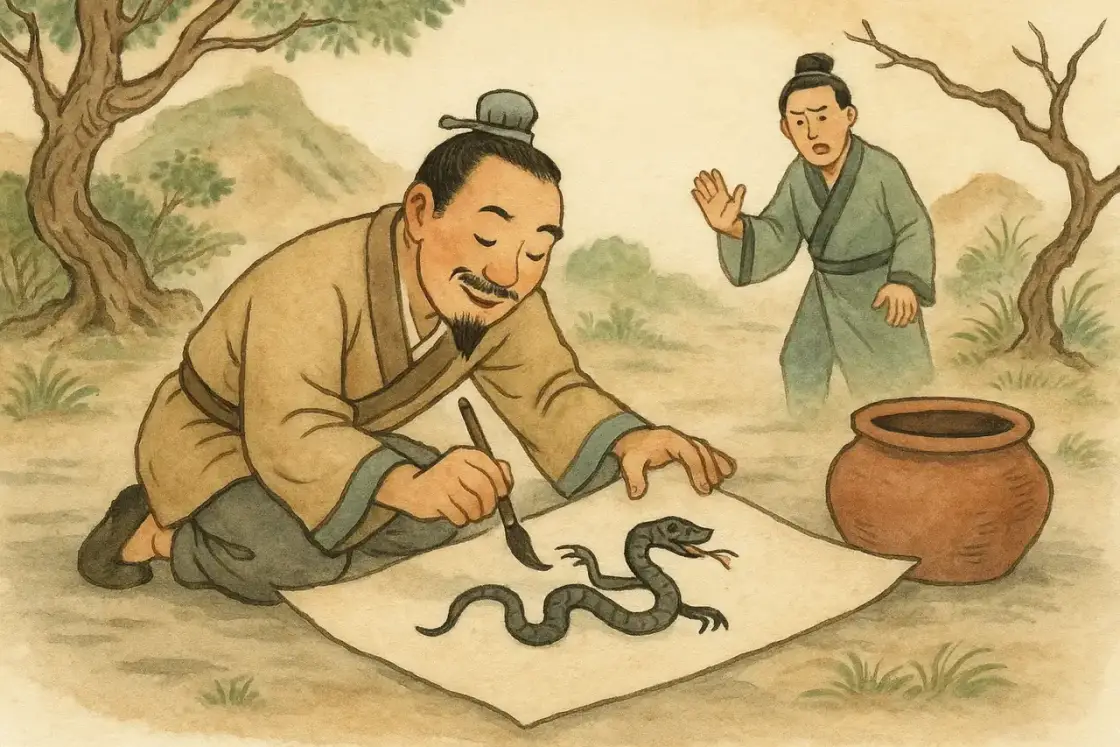 Drawing a Snake and Adding Feet很久以前,在中國有一群朋友一起喝酒聊…
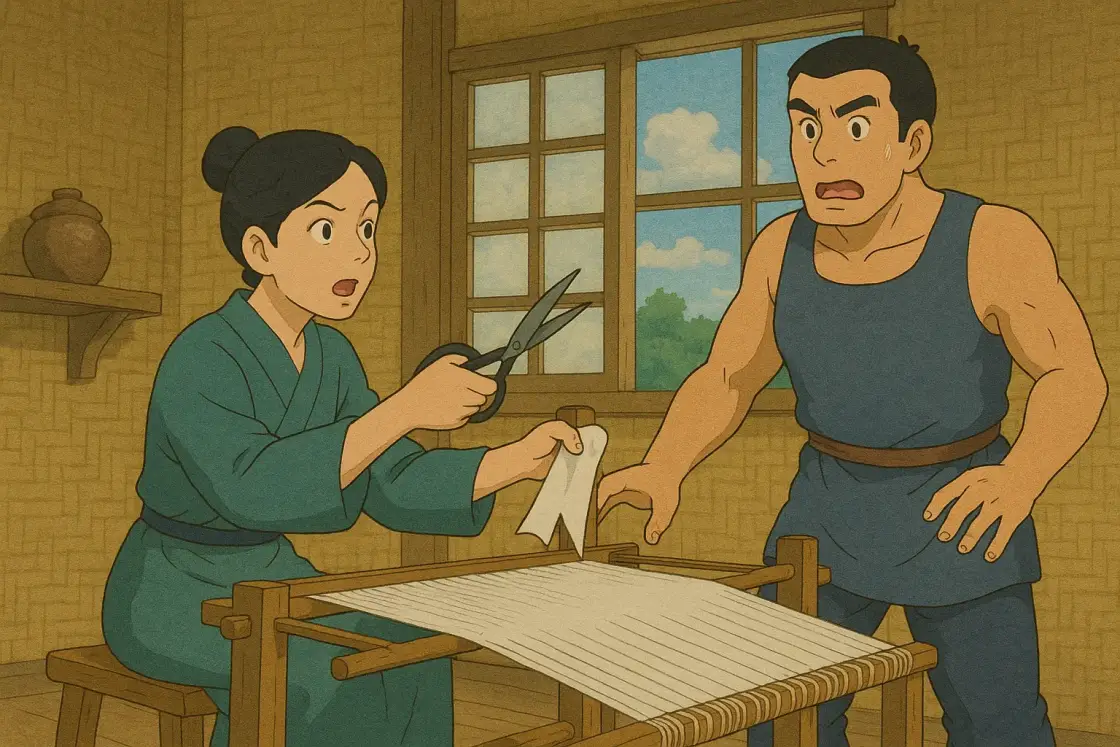 Give Up Halfway從前,有個叫樂羊子的人撿到一塊金子…
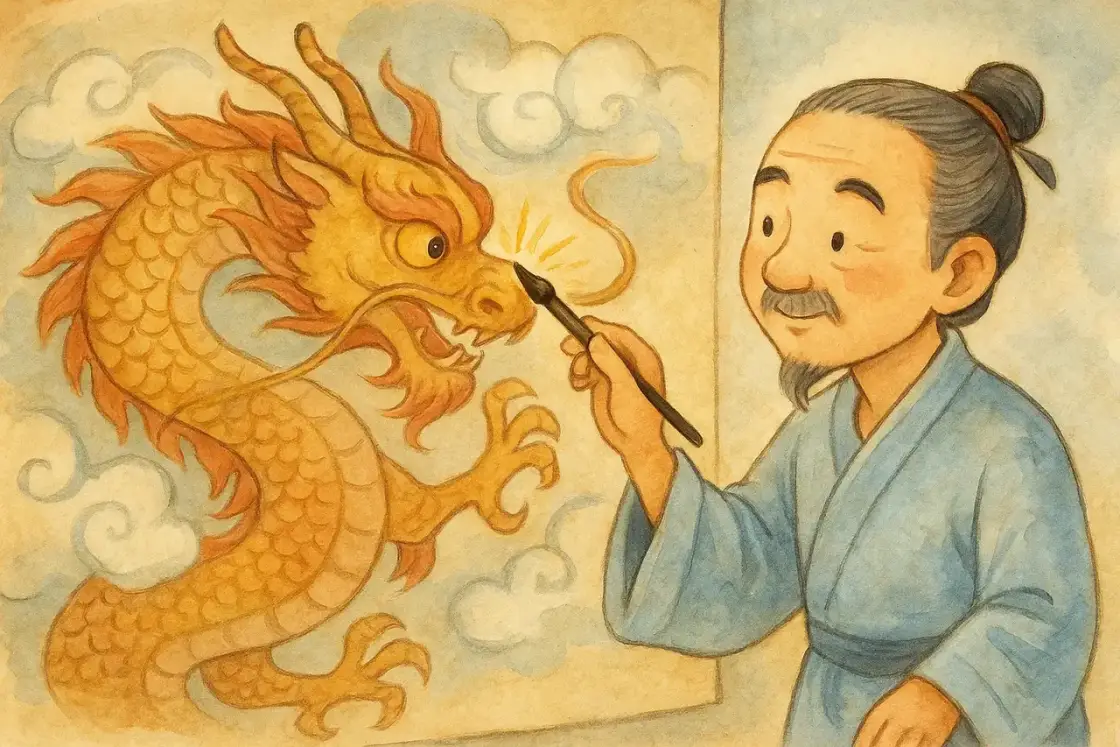 Dotting the Dragon's Eyes很久以前,南朝有一位畫家,名叫張僧繇…
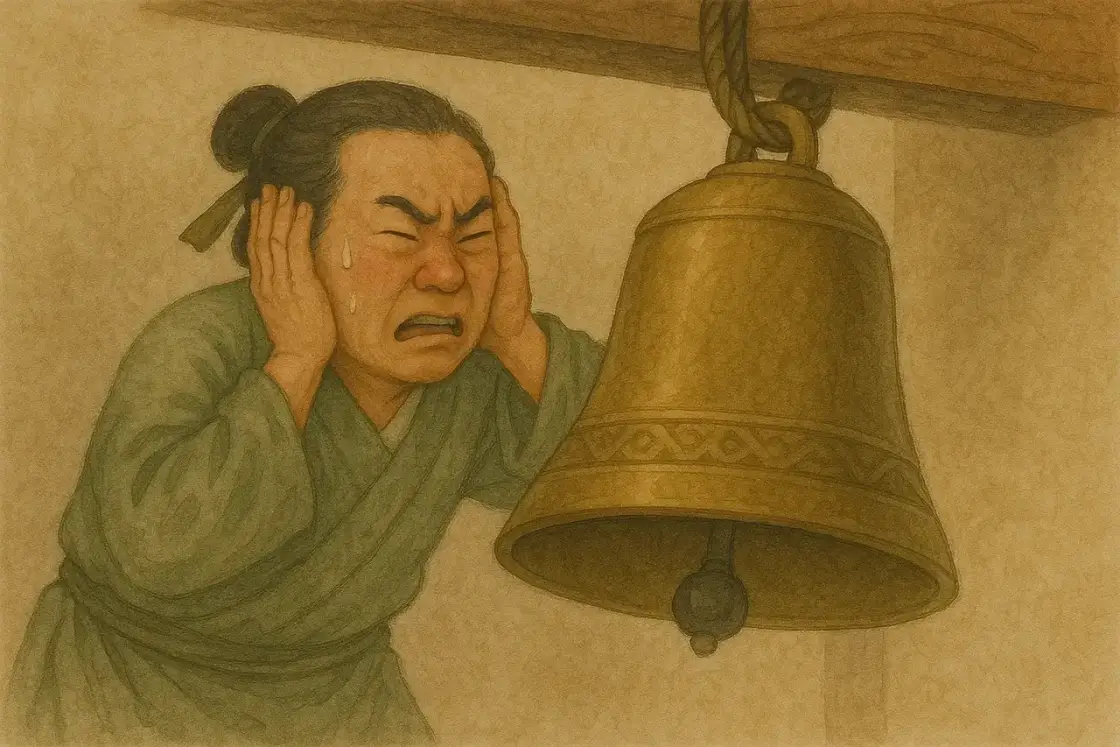 The Thief and the Bell很久以前,在中國有一個小偷。有一天…
Historical Figures 5 stories
- Sima Qian: His Father's Last Wish (Part 1)兩千多年前,中國是漢朝的天下。在皇帝…
 Sun Yat-sen: The Boy Who Asked Questions (Part 1)一八六六年,孫中山出生在廣東的一個小…
 Yue Fei: Four Characters on His Back (Part 1)一一零三年,岳飛出生在河南的一個農民…
 Xuanzang: Leaving Without Permission (Part 1)一千四百年前,唐朝的長安城裡,住著一…
 Wu Zetian: The Girl Who Would Not Stay Quiet (Part 1)一千三百多年前的唐朝,出了一位中國歷…
Classic Fables 7 stories
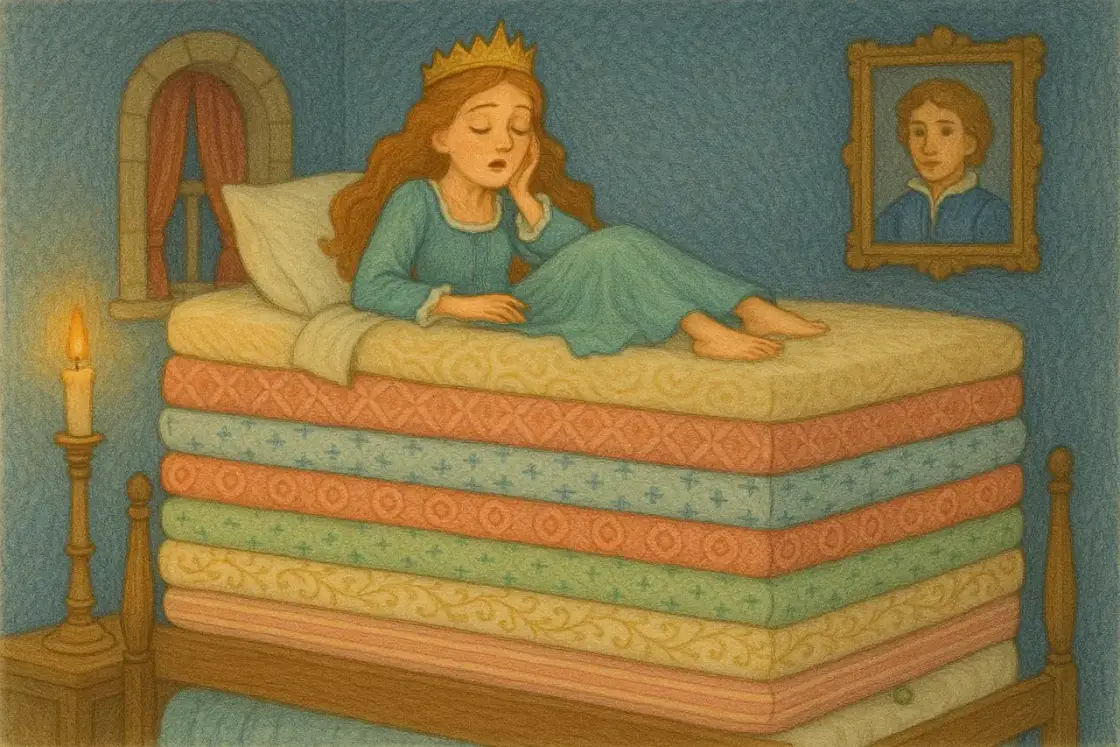 The Princess and the Pea一個下大雨的晚上,王宮門口突然傳來敲…
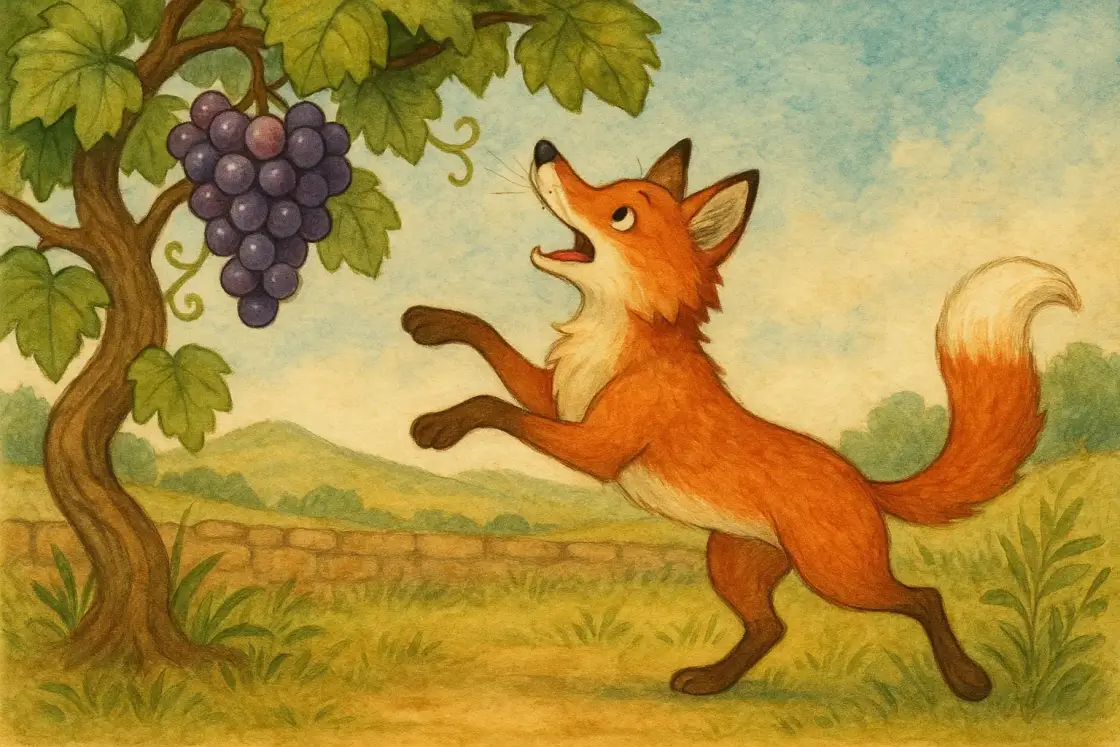 The Fox and the Grapes一個炎熱的夏天,狐狸又餓又渴。它走著…
 The Lion and the Mouse有一天,一隻獅子在森林裡睡覺。突然…
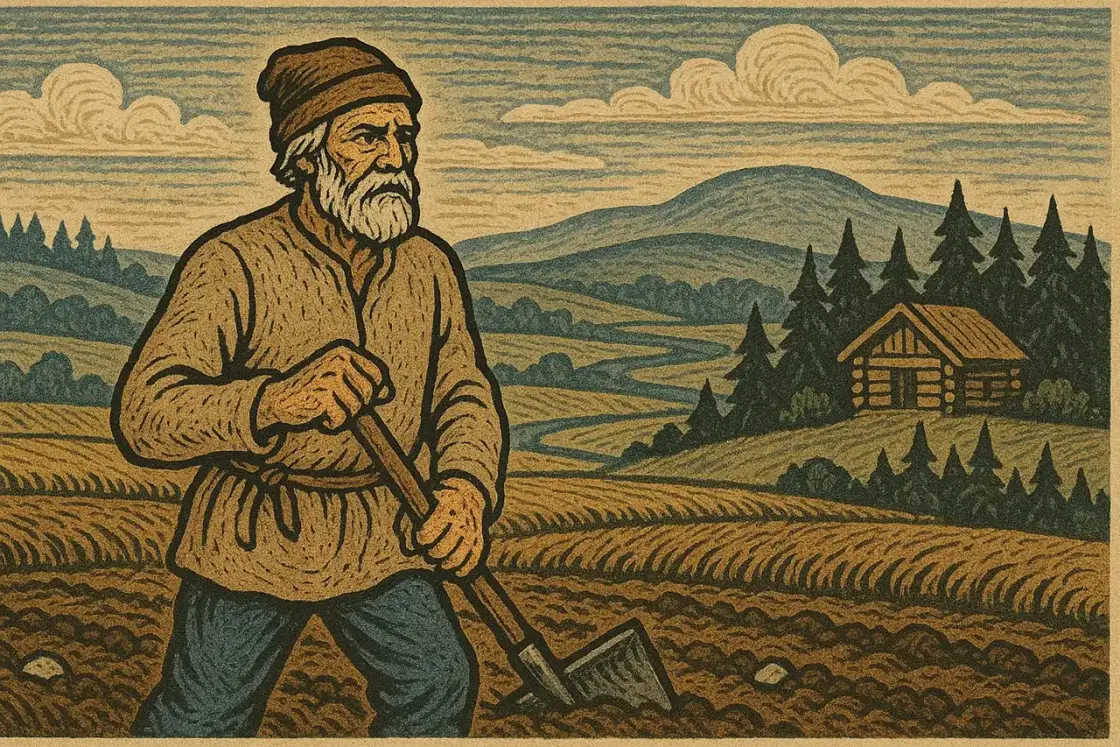 The Story of Farmer Paavo帕沃是個貧窮的農夫,他和妻子、孩子住…
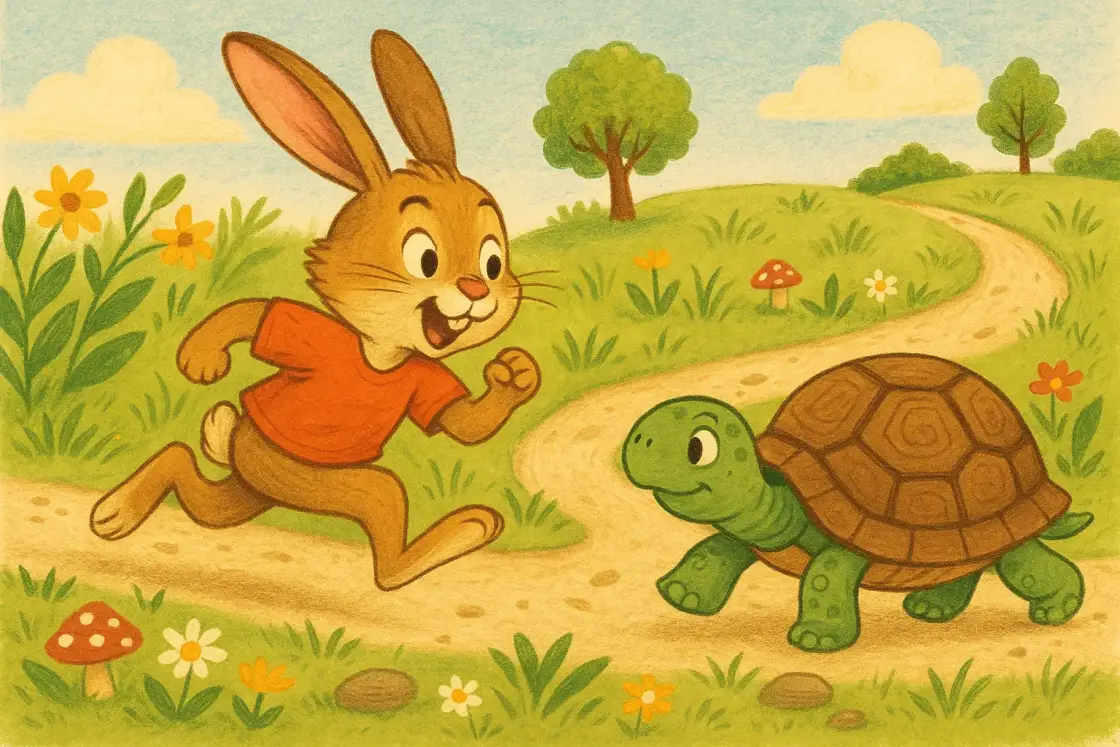 The Tortoise and the Hare從前,有一隻跑得飛快的兔子,它總是驕…
 Thumbelina從前,有個女人想要個孩子,仙女送給她…
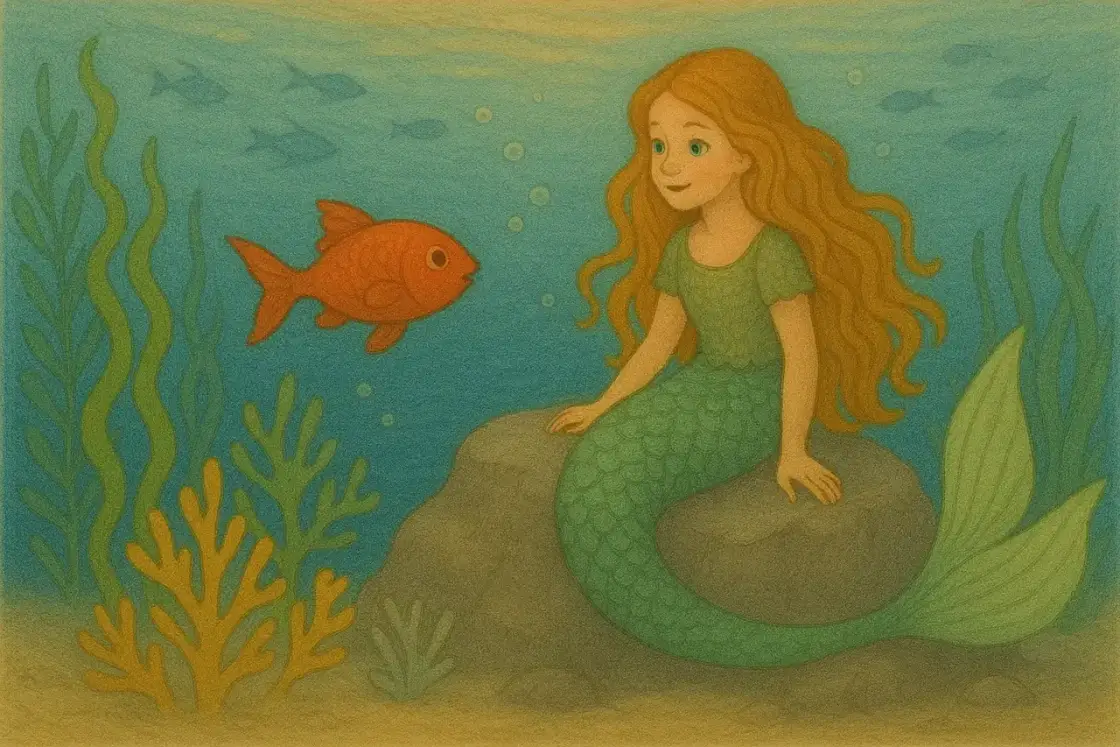 The Little Mermaid海底住著一位小美人魚,她最愛聽祖母講…
More Stories 5 stories

Key HSK 4 words in these stories
The HSK 4 words (HSK 3.0 list) that turn up most often across these stories, in Traditional characters with pinyin and zhuyin. Learn these first and you will meet each of them again and again. Browse the full HSK 4 word list for everything else.
- 卻简 却quèㄑㄩㄝˋbutin 15 of 48 stories
- 著简 着zháoㄓㄠˊto touchin 14 of 48 stories
- 就是jiù shìㄐㄧㄡˋ ㄕˋexactlyin 12 of 48 stories
- 例如lì rúㄌㄧˋ ㄖㄨˊfor examplein 7 of 48 stories
- 結果简 结果jié guǒㄐㄧㄝˊ ㄍㄨㄛˇresultin 6 of 48 stories
- 當简 当dāngㄉㄤto serve asin 6 of 48 stories
- 啊āㄚinterjection of surprisein 5 of 48 stories
- 忽然hū ránㄏㄨ ㄖㄢˊsuddenlyin 5 of 48 stories
- 從此简 从此cóng cǐㄘㄨㄥˊ ㄘˇfrom then onin 5 of 48 stories
- 好好hǎo hǎoㄏㄠˇ ㄏㄠˇproperlyin 4 of 48 stories
- 也許简 也许yě xǔㄧㄝˇ ㄒㄩˇperhapsin 4 of 48 stories
- 重新chóng xīnㄔㄨㄥˊ ㄒㄧㄣagainin 4 of 48 stories
- 流liúㄌㄧㄡˊto flowin 4 of 48 stories
- 美好měi hǎoㄇㄟˇ ㄏㄠˇwonderfulin 4 of 48 stories
- 棵kēㄎㄜclassifier for trees and plantsin 4 of 48 stories
- 拍pāiㄆㄞto patin 4 of 48 stories
- 森林sēn línㄙㄣ ㄌㄧㄣˊforestin 4 of 48 stories
- 所有suǒ yǒuㄙㄨㄛˇ ㄧㄡˇallin 4 of 48 stories
- 父親简 父亲fù qīnㄈㄨˋ ㄑㄧㄣfatherin 4 of 48 stories
- 全quánㄑㄩㄢˊallin 4 of 48 stories
- 土tǔㄊㄨˇearthin 3 of 48 stories
- 早晨zǎo chénㄗㄠˇ ㄔㄣˊearly morningin 3 of 48 stories
- 力氣简 力气lì qiㄌㄧˋ ㄑㄧˋstrengthin 3 of 48 stories
- 即使jí shǐㄐㄧˊ ㄕˇeven ifin 3 of 48 stories
More HSK 4 stories in Traditional, with Taiwan Mandarin audio
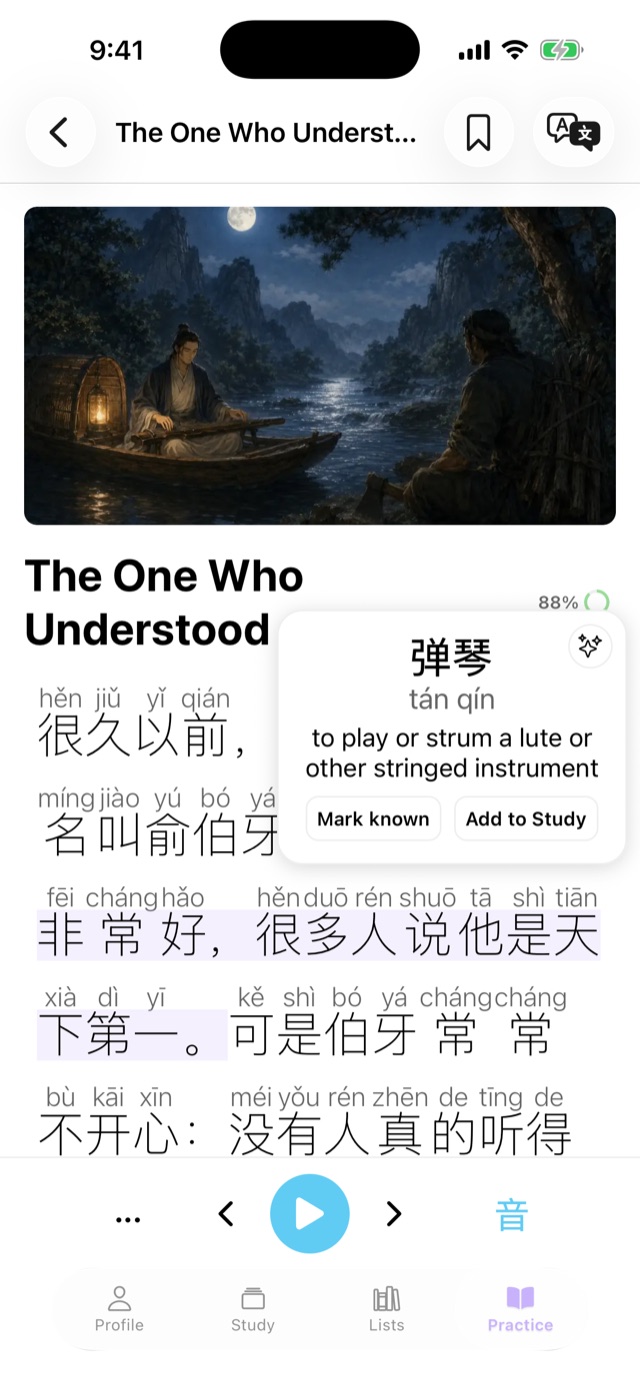
The Literate Chinese app has 272 more stories at this estimated level beyond the 48 here, out of 1,000+ graded stories, all available in Traditional characters. It tracks the words you actually know and shows how familiar each story is, so you can pick ones that are just hard enough.
Every story can be narrated in Taiwan Mandarin, shown with zhuyin inline or in the vertical layout Taiwanese books use, and any word you tap can become a flashcard.


Frequently asked questions
Is traditional Chinese harder to read?
A little harder to write, not much harder to read. Traditional characters have more strokes, and in the 48 stories on this page 27% of the characters you read look different from their Simplified forms (學/学, 車/车, 嗎/吗). But reading is recognition, not writing: the extra components often make a character more distinctive (愛 keeps its 心, heart), and after you have seen a form a few hundred times in sentences, stroke count stops mattering. The stories are the same graded stories as the Simplified pages, so apart from the script the difficulty is the same.
Which level should I start at for TOCFL?
Roughly: TOCFL Band A (Levels 1–2) is close to HSK 1–2, Band B (Levels 3–4) to HSK 3–4, and Band C to HSK 5 and above. This page fits TOCFL Band B. If you are new, start with the beginner path; if a story here feels easy, move up a level. The match is approximate because the two exams use different word lists. See our TOCFL guide.
Can I read these stories with zhuyin?
Yes. Turn on Pronunciation and choose Zhuyin (ㄅㄆㄇ) above any story on this page. The zhuyin comes from the same dictionary as the app, so it uses Taiwan readings where that dictionary lists them, and it prints 一 and 不 with their changed tones, as Taiwanese books do. The individual story pages show pinyin; the app has zhuyin, including the vertical layout, on every story. New to zhuyin? Start with our zhuyin guide.
How many characters do I need for HSK 4 reading?
The 2026 HSK 3.0 syllabus has 1,994 words through HSK 4, written with 1,096 different characters, and they are the same words in Traditional. You can start well before you know them all: 90% of the characters in these 48 stories are HSK 1–4 characters, and any word is one tap away from its meaning.
Will the stories stay in Traditional when I open them?
Yes. Opening a story from this page keeps Traditional characters on, and every story page has the same 简/繁 switch, which remembers your choice.
Also useful: Not sure of your level? Take the 2-minute character test · HSK 4 word list · TOCFL guide · Learn zhuyin · Zhuyin reading practice · HSK 4 stories in Simplified · All traditional reading practice